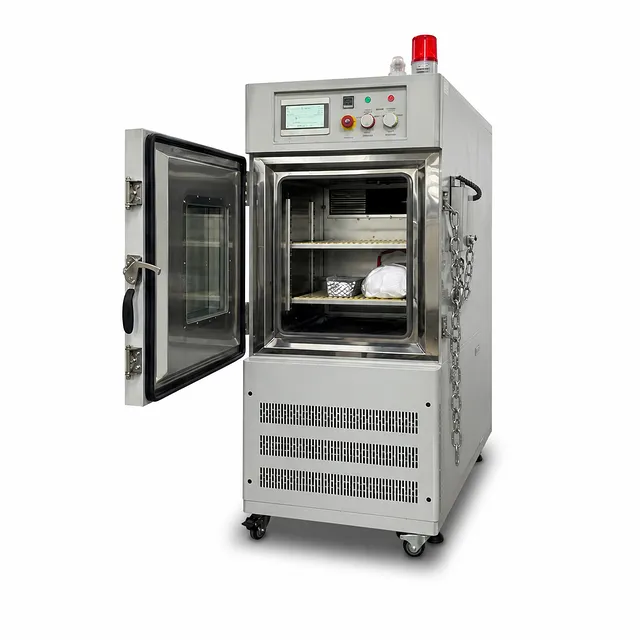
Battery Safety Testing Equipment
Small Temperature Cycling Test Chamber for Battery Cells Automotive Electronics and Materials
Item Number : DA04
Price varies based on specs and customizations
- Temperature Range
- -40°C to +150°C
- Effective Volume
- 150 L
- Average Heating and Cooling Rate
- 5°C per minute from -40°C to +85°C heating and +85°C to -40°C cooling, non-linear empty load

Shipping:
Contact us to get shipping details Enjoy On-time Dispatch Guarantee.
Why Choose Us
Easy ordering process, quality products, and dedicated support for your business success.
Product Overview
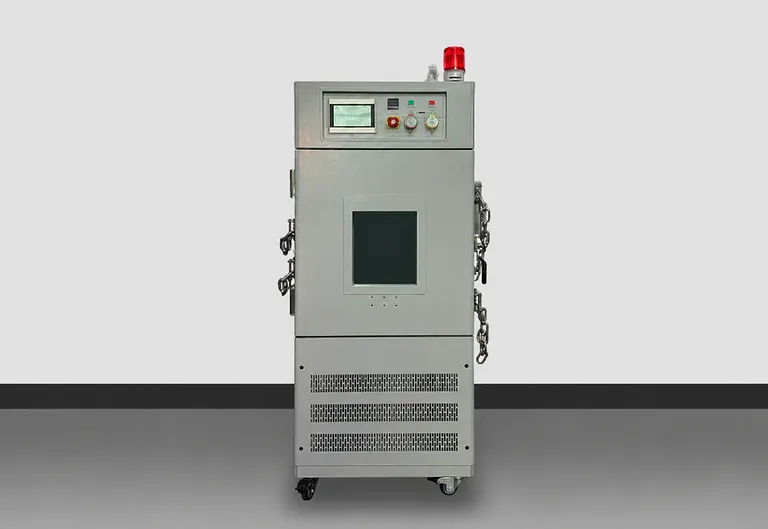
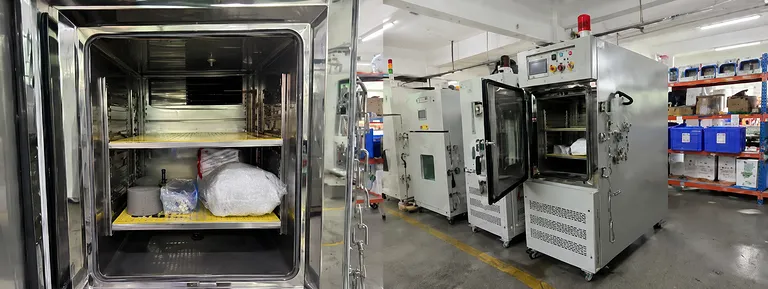
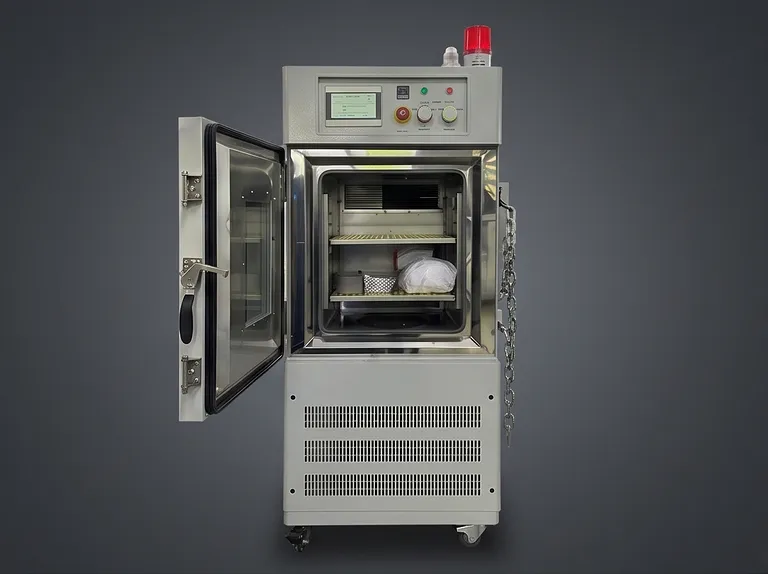
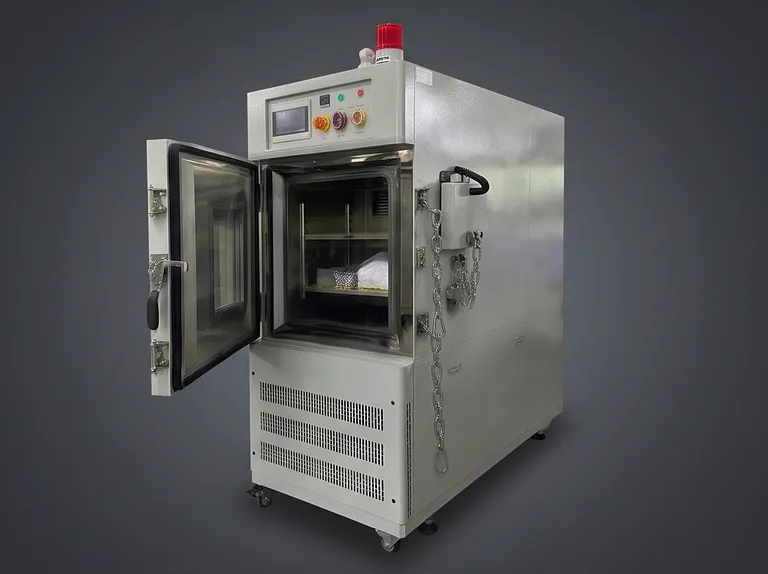
This small temperature cycling test chamber is designed for environmental reliability testing under high-temperature, low-temperature, and alternating high-low temperature conditions. Its 150 L effective volume accommodates a practical range of battery cells, automotive components, electrical and electronic products, materials, and other test specimens. The unit provides a controlled temperature range from -40°C to +150°C, supporting repeatable evaluation across demanding thermal conditions.
The system is suited to battery research, automotive component validation, electrical and electronic product testing, materials evaluation, and general product reliability programs. It can simulate temperature-related environmental stresses that may affect performance, durability, dimensional stability, and operating consistency during product development or quality verification.
A precision temperature resolution of 0.01°C, temperature fluctuation of ±0.5°C, and temperature deviation of ≤±2°C after stabilization support dependable test conditions. The chamber also provides average non-linear empty-load heating and cooling rates of 5°C per minute across the specified transition range, helping laboratories conduct efficient thermal cycling procedures.
Key Features
-
Wide Temperature Operating Range: The chamber operates from -40°C to +150°C, allowing users to evaluate products and materials across severe low-temperature and elevated-temperature conditions within one testing platform.
-
Stable Temperature Performance: Temperature fluctuation is limited to ±0.5°C, while temperature deviation after stabilization is ≤±2°C. These specifications help maintain consistent conditions throughout scheduled reliability tests.
-
High-Resolution Measurement: Temperature analysis resolution reaches 0.01°C, enabling precise observation and documentation of temperature behavior during environmental simulation and thermal cycling.
-
Efficient Thermal Transitions: The equipment achieves an average non-linear empty-load heating rate of 5°C per minute from -40°C to +85°C and an average non-linear empty-load cooling rate of 5°C per minute from +85°C to -40°C.
-
Controlled Chamber Uniformity: Temperature gradient is ≤±2.0°C after stabilization, measured as the maximum difference between the average temperatures at any two points in the chamber over any time interval. This supports more representative specimen exposure.
-
Practical 150 L Test Space: The 150 L effective working volume and 500 mm × 600 mm × 500 mm internal dimensions provide a useful balance between specimen capacity and laboratory footprint.
-
Industrial Three-Phase Power Configuration: AC 380 V, 50 Hz three-phase power is specified for the unit, aligning the equipment with facilities equipped for industrial laboratory testing systems.
-
Defined Operating Environment: The chamber is specified for ambient temperatures from 5°C to 30°C and ambient relative humidity from 10% to 85% RH, giving facilities clear installation and operating conditions.
Applications
| Application | Description | Key Benefit |
|---|---|---|
| Battery Cell Reliability Testing | Expose battery cells to controlled low-temperature, high-temperature, and alternating temperature conditions to evaluate environmental response during research and validation. | Supports repeatable thermal stress testing across a broad temperature range. |
| Automotive Component Validation | Test automotive components under temperature transitions representative of demanding vehicle operating environments. | Helps identify temperature-related performance or durability concerns before production deployment. |
| Electrical and Electronic Product Testing | Evaluate electrical and electronic products, assemblies, and components during low-temperature and elevated-temperature environmental simulations. | Provides a consistent chamber environment for reliability and quality verification. |
| Materials Research | Study the response of materials to repeated or sustained temperature exposure across -40°C to +150°C. | Enables controlled comparison of material behavior under defined thermal conditions. |
| Environmental Reliability Programs | Conduct high-temperature, low-temperature, and high-low temperature alternating environmental tests on products, parts, and materials. | Consolidates multiple thermal test requirements in one laboratory system. |
| Academic and Industrial R&D | Support research programs that require measured thermal transitions, stabilized temperature conditions, and documented test parameters. | Delivers a practical platform for repeatable experiments and development testing. |
Technical Specifications
| Category | Parameter | Specification |
|---|---|---|
| Product Identification | Product item number | DA04 |
| Application | Applicable test objects | Battery cells, automotive components, electrical and electronic products, other products, parts, and materials |
| Test capability | Environmental simulation | High-temperature, low-temperature, and high-low temperature alternating humidity reliability tests |
| Chamber capacity | Effective volume | 150 L |
| Internal dimensions | Width × height × depth | W 500 mm × H 600 mm × D 500 mm |
| External dimensions | Width × height × depth | W 750 mm × H 1780 mm × D 1500 mm |
| Test conditions | Ambient temperature | 5°C to 30°C |
| Test conditions | Ambient humidity | 10% to 85% RH |
| Test conditions | Test specimen weight | None specified |
| Test conditions | Test specimen heat generation | None specified |
| Temperature measurement | Analysis resolution | 0.01°C |
| Temperature performance | Temperature range | -40°C to +150°C |
| Temperature performance | Temperature fluctuation | ±0.5°C |
| Temperature performance | Temperature deviation | ≤±2°C after temperature stabilization; at any time, the difference between the highest and lowest temperatures and the nominal temperature |
| Temperature performance | Temperature gradient | ≤±2.0°C after temperature stabilization; the maximum difference between the average temperatures at any two points in the chamber over any time interval. The new standard uses temperature gradient in place of the former temperature uniformity specification. |
| Thermal transition | Heating rate | Average 5°C per minute from -40°C to +85°C, non-linear, empty load |
| Thermal transition | Cooling rate | Average 5°C per minute from +85°C to -40°C, non-linear, empty load |
| Noise | Equipment noise | ≤70 dB (A Level) |
| Physical data | Equipment weight | 650 kg |
| Electrical requirements | Power supply | AC 380 V, 50 Hz, three-phase |
The dimensional configuration is suitable for laboratories that need meaningful specimen capacity without moving to a substantially larger chamber format. The 500 mm internal width, 600 mm internal height, and 500 mm internal depth define the usable working space, while the external dimensions should be considered during facility layout, transportation planning, and installation access review.
The temperature specifications are structured to support both stabilized exposure and programmed transitions. The -40°C to +150°C operating range covers a wide thermal envelope for battery cells, vehicle-related parts, electronic products, and materials. For thermal cycling procedures specifically, the rated average empty-load transition rates are defined between -40°C and +85°C in both directions. Actual test performance should be evaluated according to the specimen configuration and the selected test procedure.
Temperature stability is addressed through several complementary measures. Analysis resolution of 0.01°C provides fine measurement detail. Fluctuation of ±0.5°C describes short-term temperature variation, while deviation of ≤±2°C describes the difference from the nominal temperature after stabilization. The ≤±2.0°C temperature gradient specification addresses the maximum difference between average temperatures at two points in the chamber over a defined time interval. Together, these parameters give test engineers a clearer basis for evaluating chamber performance and interpreting reliability results.
The listed operating conditions also help define facility requirements. The equipment is specified for an ambient temperature of 5°C to 30°C and ambient humidity of 10% to 85% RH. The reference data do not specify test specimen weight or heat generation, so applications involving significant specimen mass or heat output should be reviewed against the intended test setup before purchase. The AC 380 V, 50 Hz three-phase supply should likewise be confirmed with the laboratory or production facility’s electrical infrastructure.
At ≤70 dB (A Level), the stated noise specification provides a defined reference for laboratory planning. The 650 kg equipment weight should be included in floor loading, delivery, positioning, and installation assessments. These practical details are important for procurement teams because environmental chambers combine substantial thermal performance with specific space, power, and facility requirements.
Why Choose This Product
-
Performance Defined by Measurable Criteria: The unit provides clear specifications for temperature range, fluctuation, deviation, gradient, resolution, and transition rates, making it easier to compare proposals and establish acceptance criteria.
-
Built for Cross-Industry Testing: One system supports battery cells, automotive components, electrical and electronic products, parts, and materials, giving laboratories a flexible asset for multiple reliability programs.
-
Consistent Thermal Exposure: The combination of 0.01°C analysis resolution, ±0.5°C fluctuation, and ≤±2.0°C temperature gradient supports controlled and repeatable testing when results must be compared across batches or development stages.
-
Practical Laboratory Integration: The 150 L working volume, defined external dimensions, three-phase power requirement, noise level, and equipment weight provide the technical information needed for facility planning and procurement review.
-
A Premium Reliability Testing Investment: Wide temperature capability and documented thermal performance help laboratories build a dependable environmental testing workflow instead of relying on less controlled, single-purpose methods.
Contact KINTEK for a quotation, application review, and a testing solution matched to your specimen configuration and environmental reliability requirements.
Trusted by Industry Leaders

REQUEST A QUOTE
Our professional team will reply to you within one business day. Please feel free to contact us!
Related Products
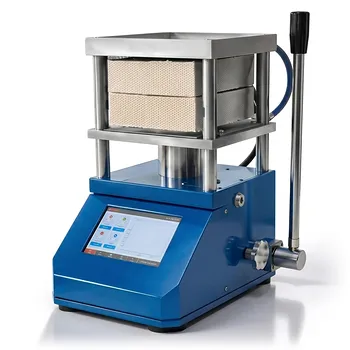
30 Ton Manual Heated Press with Integrated Recirculating Chiller for Rapid Thermal Cycling
30-ton manual hydraulic hot press with integrated active cooling for polymers, composites, and electronic laminates. Precision temperature control up to 300°C, 300x300mm platens, and 260kg rigid frame ensure uniform samples. Complete with chiller for fast cycling. CE certified, ready-to-run system.
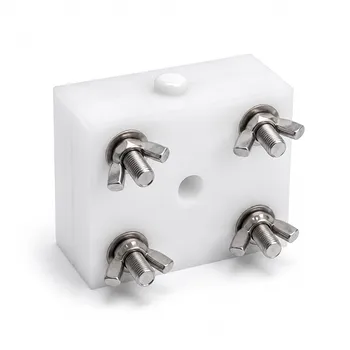
Rechargeable Zinc Air Electrolytic Cell Zinc Air Cycling Test Device Metal Fuel Cell Reactor
Rechargeable zinc air electrolytic cell cycling test device with modular PP reactor, 1 to 4.5 cm² reaction areas, circulating electrolyte, forced oxygen supply, leak resistant sealing, and customizable gas connections for metal fuel cell research and advanced materials laboratories.
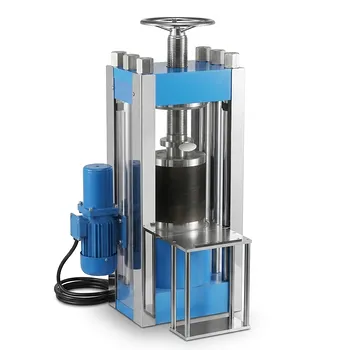
Split Warm Isostatic Lab Press 200 Ton Powder Compaction Chamber for Battery Research and Material Science
Optimize your research with this 200 ton split warm isostatic press featuring uniform temperature control, advanced curve recording, and a safe high definition touchscreen interface ideal for challenging powder compaction in advanced battery and technical ceramic materials research.
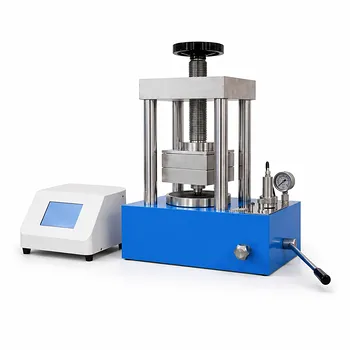
Manual Heating Press with Precision Temperature Control and Hydraulic Pressure
Discover our manual heating press with precise temperature control up to 300°C, hydraulic pressure up to 24 tons, water cooling, and touchscreen interface for consistent lab pressing applications including battery research and material testing. Request a quote today!
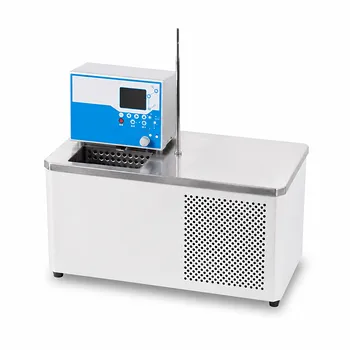
Constant Temperature Magnetic Stirring Reaction Bath Magnetic Stirrer
Constant temperature magnetic stirring reaction bath with 0 to 100°C control 0.01°C resolution programmable safety protection fast cooling external circulation and adjustable magnetic stirring for laboratories materials research and process development battery chemistry powder processing ceramics and controlled thermal experiments

Automatic Heated Hydraulic Lab Press with Programmable Touch Screen Controls and Precision Temperature Regulation
Streamline material research with this advanced automatic heated hydraulic press featuring precision heating plates, programmable multi-stage pressure cycles, and integrated safety systems for consistent laboratory sample preparation and high-performance industrial material testing applications.
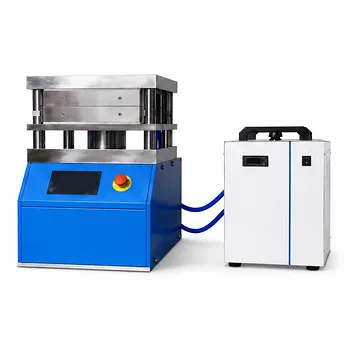
Automatic Laboratory Hot Press 15 Ton 300°C Dual Zone Programmable Temperature Control
High-performance automatic lab hot press with 15-ton hydraulic pressure, dual independent heating zones up to 300°C, programmable ramp and dwell control, 7" touchscreen, active water cooling, CE certified. Ideal for material science and battery research. Get a quote.

Cylindrical Lab Electric Heating Press Mold for Laboratory Use
KINTEK's Cylindrical Electric Heating Press Mold offers rapid heating (up to 500°C), precise control, and customizable sizes for lab sample preparation. Ideal for battery, ceramic, and material research.
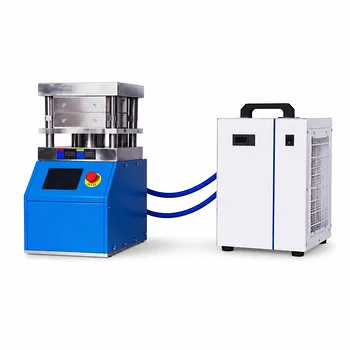
500°C Ultra High Temperature Automatic Hot Press 5 Ton 180x180mm Platens Benchtop Design
KINTEK's compact automatic hot press delivers 500°C ultra-high temperature, 5-ton force, and precise 180x180mm heated platens — ideal for advanced polymer, ceramic, and battery research. Benchtop design with water cooling and PID control ensures safe, repeatable results. Get a quote.

Automatic High Temperature Heated Hydraulic Press Machine with Heated Plates for Lab
KINTEK High Temperature Hot Press: Precision sintering & material processing for labs. Achieve extreme temperatures & consistent results. Custom solutions available.