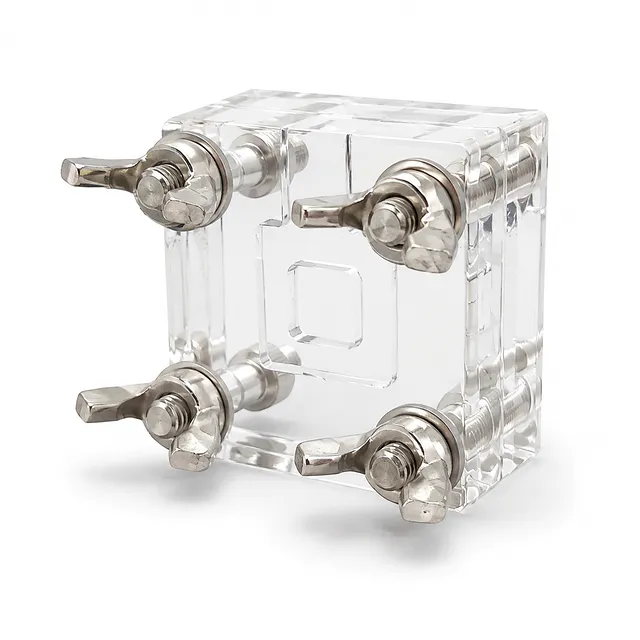
In-situ Raman Test Cell
Solid State Zinc Air Battery Test Fixture Flexible Zinc Air Mold
Item Number : BE07
Price varies based on specs and customizations
- Mold Material
- Organic glass
- Reaction Area Options
- 1 cm², 2 cm², and 4 cm²
- Positive-to-Negative Electrode Distance
- 0.2 cm, determined by electrolyte membrane thickness

Shipping:
Contact us to get shipping details Enjoy On-time Dispatch Guarantee.
Why Choose Us
Easy ordering process, quality products, and dedicated support for your business success.
Product Overview
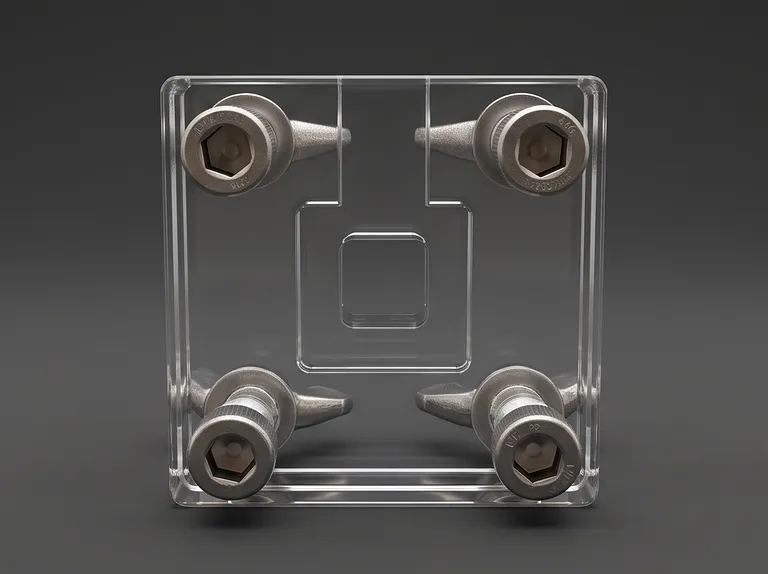
This solid-state zinc-air battery test fixture is a compact laboratory mold designed for assembling and observing zinc-air battery reaction structures. Manufactured from transparent organic glass, the unit provides a smooth, clear surface that makes the internal arrangement easier to inspect during preparation and testing. Its construction supports direct stacking of the positive electrode, negative electrode, and solid electrolyte above the base plate, simplifying assembly for repeatable laboratory work.
The equipment is suitable for solid-state zinc-air battery research, flexible zinc-air mold applications, battery material evaluation, and advanced laboratory studies involving electrochemical cell structures. Three reaction-area options are available, covering 1 cm², 2 cm², and 4 cm² configurations. Customization is supported for projects requiring a fixture adapted to a specific experimental design.
Its compact format is practical for controlled laboratory workflows where clear observation, straightforward assembly, and consistent component positioning are important. The transparent organic-glass construction supports visual inspection, while the defined electrode spacing and selectable reaction areas provide a structured platform for comparative testing.
Key Features
-
Transparent Organic Glass Construction: The fixture is manufactured from organic glass with a smooth, transparent surface. This allows researchers to observe the assembled structure directly and inspect the arrangement of the electrodes and solid electrolyte.
-
Compact Assembly Format: The small 6 × 6 cm form factor is designed for efficient laboratory handling. Positive and negative electrodes, together with the solid electrolyte, can be stacked directly above the base plate for convenient assembly.
-
Defined Electrode Spacing: The standard distance between the positive and negative electrodes is 0.2 cm. The actual spacing is determined by the thickness of the electrolyte membrane, linking the assembly geometry to the selected solid electrolyte design.
-
Multiple Reaction Areas: The equipment is available with 1 cm², 2 cm², or 4 cm² reaction areas. This range helps laboratories select a suitable configuration for different sample sizes, testing objectives, and cell development stages.
-
Clear Visual Inspection: The transparent surface makes it easier to monitor the placement and condition of components during assembly. Improved visibility supports more efficient setup checks and reduces uncertainty when positioning layered materials.
-
Direct Layered Configuration: The design accommodates direct stacking of the positive electrode, negative electrode, and solid electrolyte on the upper surface of the base plate. This provides a simple arrangement for solid-state zinc-air battery experiments.
-
Customization Support: The fixture can be customized for research programs with specific dimensional or structural requirements. This is useful when standard reaction areas or assembly arrangements do not match the planned experiment.
-
Research-Oriented Build: The equipment is configured for laboratory battery development rather than general-purpose handling. Its compact dimensions, defined reaction-area options, and transparent construction support organized experimental workflows.
Applications
| Application | Description | Key Benefit |
|---|---|---|
| Solid-State Zinc-Air Battery Research | Assemble positive and negative electrodes with a solid electrolyte in a controlled layered configuration for laboratory cell studies. | Provides a compact and clearly observable platform for experimental assembly. |
| Zinc-Air Electrode Evaluation | Compare electrode structures or material combinations using the available 1 cm², 2 cm², and 4 cm² reaction-area configurations. | Supports testing at different active-area scales without changing the basic fixture concept. |
| Solid Electrolyte Membrane Studies | Use the electrolyte membrane as the spacing-defining element between the positive and negative electrodes. | Connects the assembly gap directly to electrolyte membrane thickness. |
| Flexible Zinc-Air Mold Development | Apply the mold format in research workflows developing flexible or customized zinc-air battery structures. | Offers a simple base arrangement with customization available for project-specific needs. |
| Battery Materials Screening | Prepare small-area battery assemblies for early-stage investigation of materials and cell configurations. | Compact dimensions help organize small-scale laboratory experiments. |
| Academic and Advanced Materials Research | Support teaching, laboratory demonstrations, and exploratory research involving solid-state electrochemical cells. | Transparent construction improves visibility during setup and inspection. |
Technical Specifications
| Parameter | Specification | Notes |
|---|---|---|
| Product Item Number | BE07 | Site-facing identifier for this product. |
| Product Type | Solid-state zinc-air battery test fixture and flexible zinc-air mold | Designed for laboratory assembly and observation of solid-state zinc-air battery structures. |
| Mold Material | Organic glass | Smooth and transparent surface. |
| Overall Width × Height | 6 × 6 cm | Compact fixture dimensions provided in the reference materials. |
| Positive-to-Negative Electrode Distance | 0.2 cm | The specific distance is determined by the thickness of the electrolyte membrane. |
| Available Configuration | BE07-1 cm² | Reaction area: 1 cm². |
| Available Configuration | BE07-2 cm² | Reaction area: 2 cm². |
| Available Configuration | BE07-4 cm² | Reaction area: 4 cm². |
| Reaction Area Options | 1 cm², 2 cm², and 4 cm² | Select the configuration according to the required reaction area. |
| Assembly Arrangement | Positive electrode, negative electrode, and solid electrolyte stacked directly above the No. 1 plate | Supports convenient assembly of the layered cell structure. |
| Customization | Supported | Contact the supplier to discuss project-specific requirements. |
| Surface Characteristics | Smooth and transparent | Facilitates observation of the assembled components. |
| Alcohol Handling | Do not place the organic-glass plate directly in ethanol or alcohol solution; do not pour alcohol onto the plate surface | These actions may cause surface cracking or damage. If oil is present, use a tissue with a small amount of alcohol to clean the surface. |
| Ultrasonic Cleaning | Prohibited | Do not clean the organic-glass plate with ultrasonic equipment. |
The selectable reaction area is the primary configuration distinction. The 1 cm² version is suited to smaller test structures and material screening, while the 2 cm² and 4 cm² versions provide larger defined reaction areas for experiments requiring more active surface. These identifiers preserve the product family reference while distinguishing each configuration by its documented reaction area.
The 0.2 cm electrode distance should be interpreted together with the electrolyte membrane specification used in the experiment. Because the reference materials state that the actual spacing is determined by membrane thickness, researchers should confirm the intended membrane dimension before finalizing an assembly procedure. This relationship is important when comparing different solid electrolyte formulations or when adapting the fixture for a customized research design.
The organic-glass plate requires controlled handling during cleaning and preparation. Direct immersion in ethanol or alcohol solution is prohibited, and alcohol should not be poured onto the surface. Either action can lead to cracking or more serious damage. When oil contamination occurs, the recommended method is to apply a small amount of alcohol to a tissue and clean the surface carefully. Ultrasonic cleaning is also prohibited because the plate must not be placed in an ultrasonic cleaning process.
These care requirements are part of the operating specification and should be included in laboratory procedures. Proper handling helps preserve the smooth, transparent surface required for visual inspection. It also reduces the risk of avoidable damage during routine preparation, especially in laboratories where multiple battery materials or electrolyte formulations are evaluated in succession.
For procurement teams, the main selection criteria are material, reaction area, overall dimensions, and electrode spacing. The transparent organic-glass construction provides the required visibility, the 6 × 6 cm size keeps the unit compact, and the three reaction-area options allow the equipment to be matched to the planned cell structure. Where the standard format does not meet a program's needs, customization can be discussed before purchase.
Why Choose This Product
-
Purpose-Built Laboratory Geometry: The defined 6 × 6 cm format, 0.2 cm electrode distance, and selectable reaction areas provide a clear basis for organized solid-state zinc-air battery assembly.
-
High Visibility During Setup: Smooth transparent organic glass enables direct observation of the layered structure, helping researchers verify component placement before testing.
-
Configuration Flexibility: Three documented reaction areas support different experimental scales, while customization accommodates specialized research requirements.
-
Practical Handling for Battery R&D: The compact design and direct stacking arrangement simplify preparation for repeated laboratory investigations and material comparisons.
Select the reaction area and assembly configuration that match your research program, then contact us for a quotation or a customized solid-state zinc-air battery mold solution.
Trusted by Industry Leaders

REQUEST A QUOTE
Our professional team will reply to you within one business day. Please feel free to contact us!
Related Products
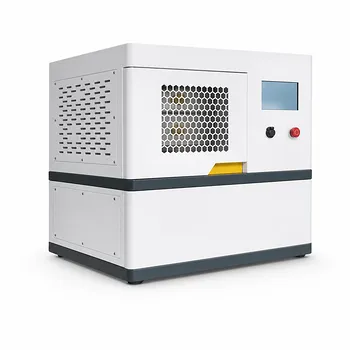
Solid-State Battery Laboratory Electric Hot Press Machine
Compact benchtop electric hot press for solid-state battery research, polymer lamination, and MEA fabrication. Features dual-plate independent heating up to 200°C, programmable pressure up to 1800 kgf. Oil-free electric servo drive ensures clean, high-repeatability pressing, integrated water cooling.
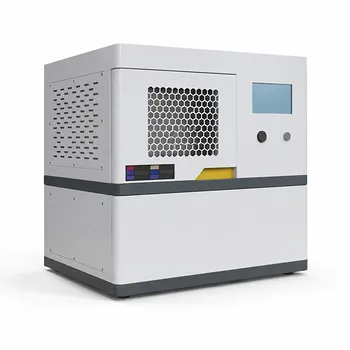
Solid State Battery Research Laboratory Hydraulic Hot Press Machine
Compact benchtop hydraulic hot press machine designed for solid-state battery research, featuring dual-zone independent heating up to 300°C, programmable pressure control with automatic replenishment, and integrated water cooling for rapid cycle times, suitable for electrolyte fabrication and electrode lamination.
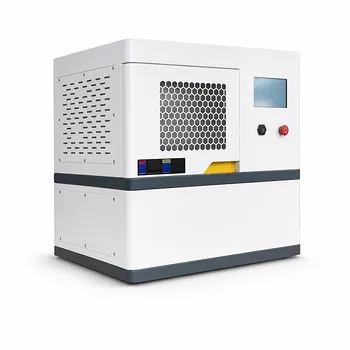
Solid State Battery Research Laboratory Hydraulic Hot Press Machine
High-precision thermal compression system for solid-state battery research with independent dual-platen heating up to 300°C, 30-ton hydraulic press, and automatic pressure compensation for precise sample fabrication. Ideal for electrolyte compaction and composite lamination. With programmable cooling and safety interlocks.
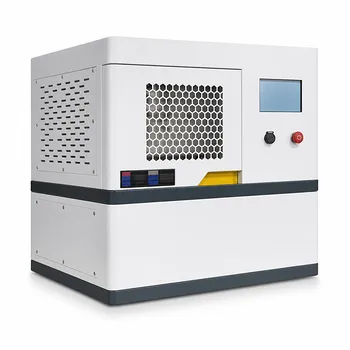
Solid-State Battery Research Laboratory Hydraulic Hot Press Machine
Designed for solid-state battery research, this laboratory hydraulic hot press features servo-driven pressurization up to 2 tons, dual-platen heating up to 300°C, programmable pressure cycles, and a 7-inch touch-screen controller for precise thermal compaction of electrolytes and electrodes.
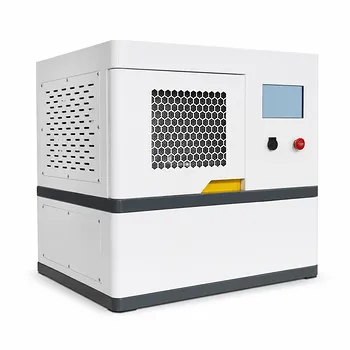
Solid State Battery Research Laboratory Hydraulic Hot Press Machine
Benchtop hydraulic hot press designed for solid-state battery research. Offers dual-platen heating to 500°C, 40-ton pressure with closed-loop control, and a 7-inch touchscreen. Supports electrolyte fabrication, electrode lamination, and polymer molding with safety shields and thermal cut-offs.
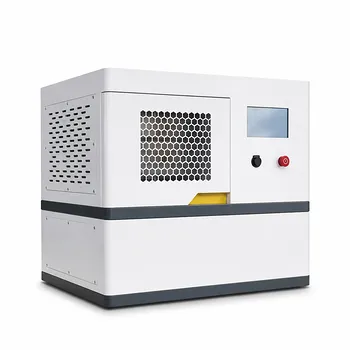
Laboratory Hydraulic Hot Press for Solid-State Battery Research
Compact benchtop hydraulic hot press for solid-state battery research, with dual heated platens, programmable touchscreen, and precise temperature control up to 300°C and 5 tons force. Ideal for electrolyte synthesis and electrode lamination, with automatic pressure holding. CE certified.
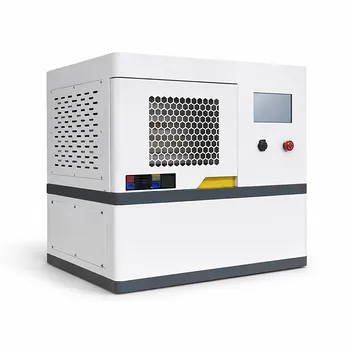
Solid-State Battery Research Laboratory Hydraulic Hot Press
Reliable laboratory hydraulic hot press for solid-state battery research offers independent dual-zone heating, programmable pressure with auto compensation, and a touchscreen interface, enabling precise pelletizing of electrolytes, polymer lamination, and composite fabrication up to 300°C and 20 tons.
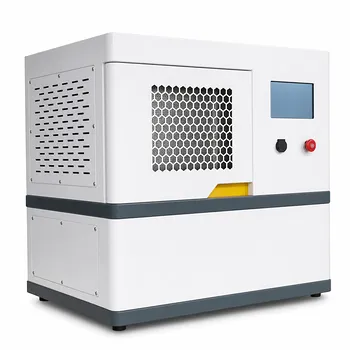
Solid-State Battery Laboratory Hydraulic Hot Press Machine
Precision laboratory hydraulic hot press for solid-state battery research, with dual-plate heating up to 300°C, 50-ton active pressure holding, programmable touchscreen control, and robust benchtop design, ideal for academic and industrial laboratories compacting electrolyte pellets and laminating electrodes.
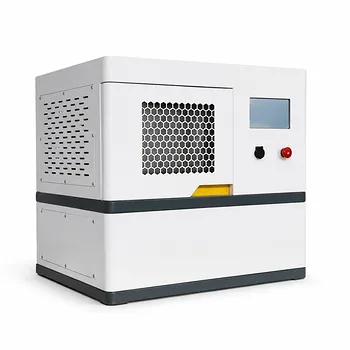
Laboratory Hydraulic Hot Press for Solid State Battery and MEA Fabrication
Compact laboratory hydraulic hot press with independent dual platen heating up to 300°C and programmable 50 ton pressure for solid state battery electrolyte compaction and membrane electrode assembly fabrication, featuring water cooling and safety shields, suitable for advanced material research.
Compact Solid-State Battery Laboratory Hydraulic Hot Press
Compact benchtop hydraulic hot press designed for solid-state battery fabrication, polymer composite curing, and electrode lamination. Features programmable PID temperature control up to 500°C, automatic pressure maintenance with high-precision 0.2% sensor accuracy, and a 7-inch touchscreen interface for repeatable results.
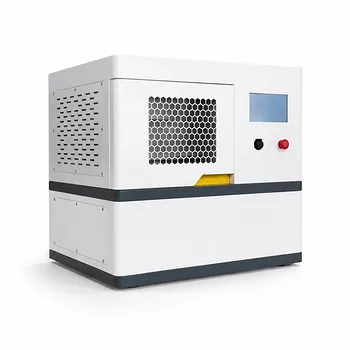
Solid-State Battery Laboratory Hydraulic Hot Press Machine
Precision laboratory hydraulic hot press for solid-state battery research. Features servo-driven 0-4 ton pressure, dual-plate independent heating up to 300°C, active water cooling, and 7-inch touchscreen control. Ideal for electrolyte and electrode fabrication. Ensures oil-free operation for reproducible results.
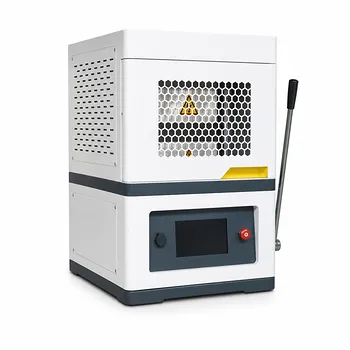
Solid State Battery Research Hydraulic Hot Press Machine
Benchtop hydraulic hot press for solid-state battery research. Precision temperature up to 300°C, 30-ton pressure, automatic holding, water cooling, touch-screen control. Ideal for electrolyte densification, electrode lamination, polymer membrane fabrication. Compact benchtop fits gloveboxes, customizable software, hardware, CE certified safety.
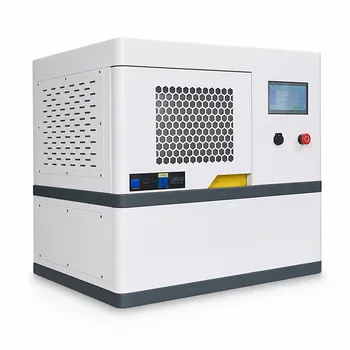
Solid-State Battery Laboratory Hydraulic Hot Press Machine
Precision laboratory hydraulic hot press machine for solid-state battery research; dual-platen independent heating up to 300°C, 30-ton hydraulic pressure with ±1% accuracy and automatic compensation, 7-inch touchscreen control, ideal for hot-pressing solid electrolyte sheets, polymer composites, and membrane electrode assemblies.
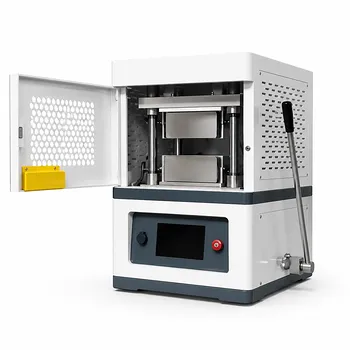
Laboratory Hydraulic Hot Press Machine for Solid-State Battery Research
Compact benchtop laboratory hydraulic hot press for solid-state battery research featuring independent dual-zone heating up to 300°C, 25-ton automatic pressure control, and integrated water cooling for precise compaction of electrolytes and polymer membranes in small-footprint design ideal for R&D applications.
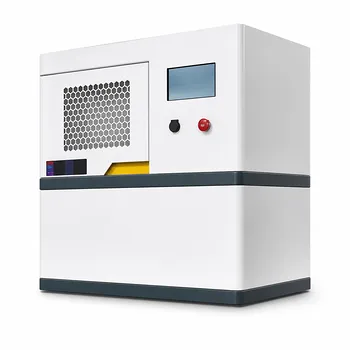
Programmable Laboratory Hydraulic Hot Press for Solid-State Battery Fabrication
Hydraulic hot press with 75 tons force programmable pressure control dual-zone heating up to 300°C ideal for solid-state battery electrolyte consolidation polymer composite curing electrode lamination features automatic pressure compensation adjustable ramp rates water cooling customizable options CE certified.
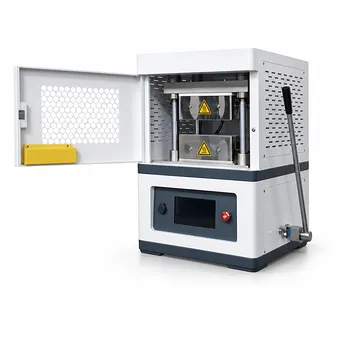
Laboratory Hydraulic Hot Press for Solid-State Battery and Polymer Electrolyte Research
Compact benchtop hydraulic hot press for solid-state battery and polymer electrolyte research with dual-zone heating, automatic pressure compensation, and active cooling system, ensuring uniform temperature up to 300°C and stable load for extended tests with CE certification and safety features.
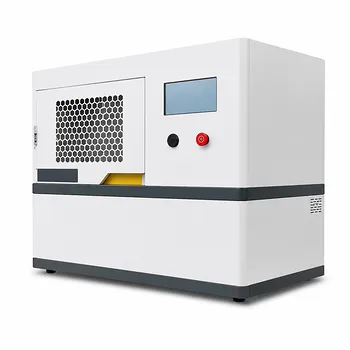
Solid-State Battery and Polymer Composite Fabrication Laboratory Hydraulic Hot Press Machine
Advanced laboratory hydraulic hot press for solid-state battery and polymer composite fabrication, featuring PID temperature control up to 200°C, 0-90 ton hydraulic pressure with ±0.2% sensor accuracy, 300x300mm heated platens, automatic pressure holding, and intuitive 7-inch touchscreen programming.
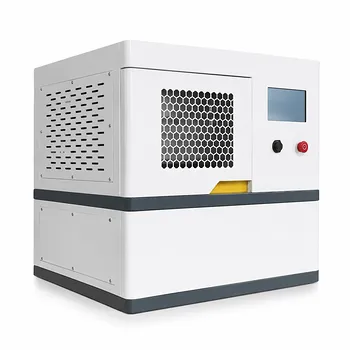
Solid State Battery Laboratory Hydraulic Hot Press Dual Zone Heating Programmable Pressure Control
High-precision hydraulic hot press for solid-state battery research, featuring dual-zone independent heating up to 200°C, 0-15 ton adjustable pressure, 8-stage programmable sequences, real-time data logging via 7-inch touchscreen, and active water cooling. Ideal for laboratory material development and research.
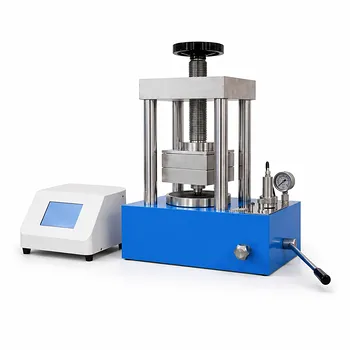
Manual Heating Press with Precision Temperature Control and Hydraulic Pressure
Discover our manual heating press with precise temperature control up to 300°C, hydraulic pressure up to 24 tons, water cooling, and touchscreen interface for consistent lab pressing applications including battery research and material testing. Request a quote today!
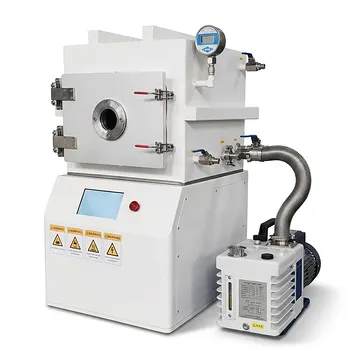
30 Ton 350x350mm Vacuum Hot Press for Battery Research and Materials Processing
30-Ton laboratory vacuum hot press featuring 350×350mm work area, 300°C max temperature, multi-zone heating, precise ±0.1T pressure control, dual-loop water cooling, and PLC automation. Ideal for battery research, solid-state electrolyte processing, ceramic sintering, and advanced composite materials fabrication.