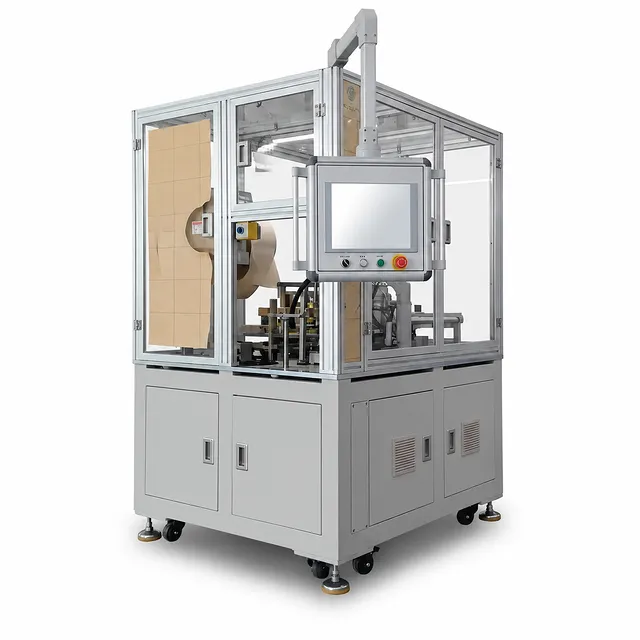
Prismatic Cell Equipment
Fully Automatic Z Type Stacking Machine for Prismatic Lithium Ion Battery Cells
Item Number : FX03
Price varies based on specs and customizations
- Stacking Speed
- Single workstation: 1.0-1.2 s/pcs
- Electrode-to-Separator Alignment Accuracy
- Center deviation ±0.3 mm
- Adjacent Electrode Alignment Accuracy
- ±0.2 mm

Shipping:
Contact us to get shipping details Enjoy On-time Dispatch Guarantee.
Why Choose Us
Easy ordering process, quality products, and dedicated support for your business success.
Product Overview
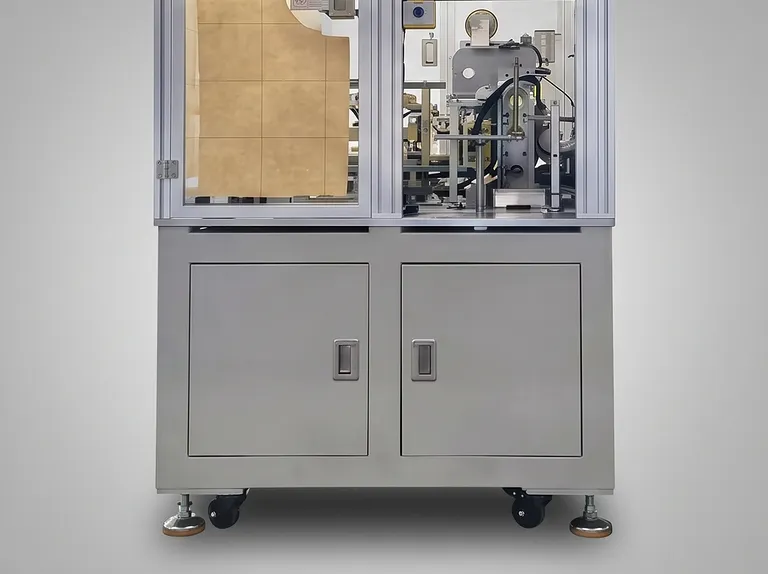
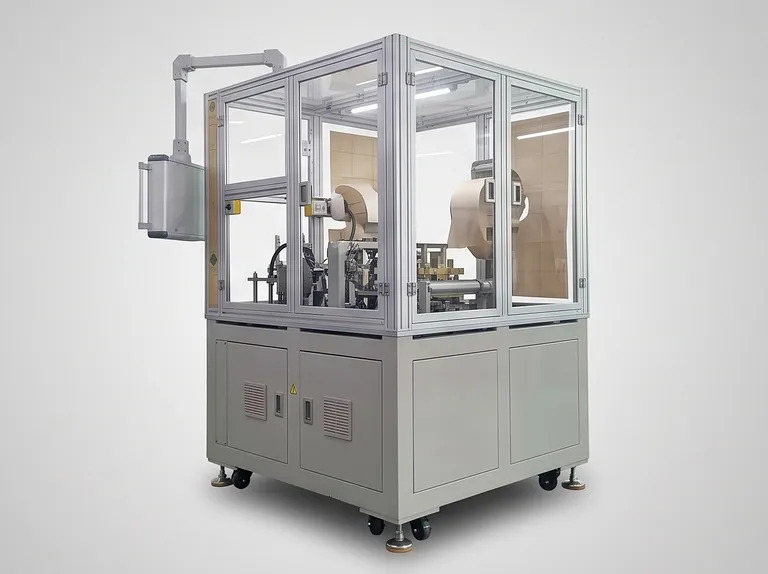
This fully automatic system is designed for Z-type stacking of prismatic lithium-ion battery cells. It coordinates electrode loading, separator unwinding, precision positioning, alternating electrode placement, compression, separator cutting, tape application, and stacked-cell discharge in a continuous automated sequence. The equipment is built to control the alignment relationships that directly affect cell-stack consistency, with electrode-to-separator center deviation controlled to ±0.3 mm and adjacent electrode alignment controlled to ±0.2 mm.
The unit is intended for square-cell manufacturing processes requiring alternating positive and negative electrode stacking with a single outer separator layer. Positive and negative electrode sheets are loaded from separate material boxes, while the separator is actively unwound by a motor, tensioned, corrected for tracking, and moved reciprocally by the stacking table to the left and right placement stations.
For demanding production environments, the equipment combines mechanical positioning, sensor-based inspection, contamination-control measures, and secure structural assembly. Pin-fixed high-speed, high-precision components support repeatable operation, while dedicated dust extraction, non-metal suction rods, electrode-material isolation, and multi-sheet detection measures help protect product quality during automated stacking.
Key Features
-
Precision Electrode Positioning: Positive and negative electrode sheets are removed by two robotic suction mechanisms and accurately positioned on a dedicated platform before stacking. The system maintains overall electrode alignment accuracy of ±0.3 mm and adjacent electrode alignment accuracy of ±0.2 mm.
-
Controlled Separator Handling: A motor-driven active unwinding system, tension mechanism, integrated module correction, and static-elimination treatment manage separator delivery to the stacking table. Separator end-face alignment accuracy is ±0.3 mm, supporting stable Z-type folding and placement.
-
Automated Alternating Stack Formation: The stacking table reciprocates between left and right workstations for electrode placement. Four compression-blade mechanisms operate in an alternating sequence to press and secure electrode sheets as the stack is formed.
-
Single-Layer Outer Separator Configuration: The process supports an outer-wrapped separator arrangement without a tail roll, leaving the external layer of the cell stack as a single separator layer. Stacking layer count can be set within the applicable thickness range.
-
Integrated Post-Stack Transfer and Taping: After stacking, a robotic gripping mechanism removes the cell stack, cuts the separator, transfers the stack to the tape-application station, and applies tape automatically. The separator tail is blown to the opposite side to initiate the next automatic stacking cycle while the completed stack is discharged.
-
Contamination-Control Design: Material boxes and secondary positioning stations include effective dust-extraction mechanisms. Non-metal suction rods are used, and the positive and negative electrode material-box and secondary-positioning areas are isolated to reduce the risk of cross-contamination.
-
Multi-Sheet and Missing-Sheet Prevention: Material-box air movement, sheet-separation brushes, and robotic servo vibration work together to separate electrode sheets. Ultrasonic sensors are used to detect multiple sheets and missing sheets before they enter the stack.
-
Electrode Tab Protection: Independent suction cups hold electrode tabs during handling. This helps prevent excessively long tabs from folding and becoming incorporated into the cell stack during the stacking sequence.
-
Corner and Tab Inspection: Four-corner electrode inspection and electrode-tab inspection are incorporated into the process. These checks are intended to prevent electrode sheets with missing corners or folded tabs from being stacked into the cell.
-
High-Speed Structural Reliability: Pin fixing is used for components operating at high precision and high speed. This construction approach supports stable positional relationships during repeated automated motion.
Applications
| Application | Description | Key Benefit |
|---|---|---|
| Prismatic lithium-ion cell stack production | Forms alternating positive and negative electrode layers with a Z-type separator path for square lithium-ion battery cells. | Automates the core cell-stack formation sequence with controlled alignment. |
| Battery cell development lines | Supports adjustable stacking-layer settings within the applicable thickness range during cell-development work. | Enables stack-layer configuration within the equipment's thickness capability. |
| Electrode and separator alignment processes | Positions electrode sheets and controls separator unwinding, tension, correction, and static elimination before and during stacking. | Maintains electrode-to-separator center deviation and separator end-face alignment at ±0.3 mm. |
| Contamination-managed electrode handling | Uses separated positive and negative electrode handling areas, dust extraction, and non-metal suction rods during loading and secondary positioning. | Helps reduce cross-contamination risk between positive and negative electrode materials. |
| Defect-screened cell-stack assembly | Applies ultrasonic multi-sheet and missing-sheet detection plus electrode corner and tab inspection before stack formation. | Helps prevent multiple sheets, missing sheets, missing corners, and folded tabs from entering the cell stack. |
| Automated stack finishing and discharge | Cuts the separator, transfers the completed stack, applies tape, and automatically stacks finished cell assemblies for discharge. | Reduces manual handling between stack completion and taped-cell output. |
Technical Specifications
| Product Item Number | Parameter | Specification |
|---|---|---|
| FX03 | Stacking process | Z-type stacking process for prismatic lithium-ion battery cells |
| FX03 | Stacking speed | Single workstation: 1.0-1.2 s/pcs |
| FX03 | Auxiliary time | 10-15 s |
| FX03 | Electrode-to-separator alignment accuracy | Center deviation ±0.3 mm |
| FX03 | Separator end-face alignment accuracy | ±0.3 mm |
| FX03 | Adjacent electrode alignment accuracy | ±0.2 mm |
| FX03 | Overall electrode alignment accuracy | ±0.3 mm |
| FX03 | Stacking layers | Settable within the applicable thickness range |
| FX03 | Outer-wrapped separator | No tail roll; the outer cell layer is a single separator layer |
| FX03 | Yield | 99% (defects caused by this equipment only) |
| FX03 | Utilization rate | 98% (failures caused by this equipment only) |
| FX03 | Overall dimensions | W2350 x L1800 x H2200 mm (dimensions subject to final design) |
| FX03 | Weight / floor loading | Approximately 2500 kg; >650 kg/m² |
| FX03 | Color | Computer gray; equipment branding and company information |
| FX03 | Power supply | AC220V single phase; voltage fluctuation ±10%; power: 4 kW; frequency: 50 Hz; British standard plug |
| FX03 | Compressed air | 0.5-0.7 MPa (5-7 kgf/cm²); consumption 200 L/min |
| FX03 | Ambient temperature | 5-35°C |
| FX03 | Relative humidity | 5-55% RH |
| FX03 | Air / dust requirements | No saline gas, toxic gas, or corrosive gas; no conductive dust |
| FX03 | Magnetic field and vibration requirements | No magnetic field affecting the equipment; no impact or noticeable vibration |
| Process Stage | Automated Function | Control or Handling Method |
|---|---|---|
| Electrode loading | Positive and negative electrode sheets are loaded from material boxes and manually pushed into the equipment. | Separate positive and negative material-box handling arrangement. |
| Separator supply | Separator is fed into the stacking table. | Motor-driven active unwinding, tension control, integrated module correction, and static elimination. |
| Electrode pickup | Two robotic suction mechanisms remove positive and negative electrode sheets from their material boxes. | Sucker mechanisms with non-metal suction rods. |
| Secondary positioning | Electrode sheets are positioned before placement onto the stacking table. | Precision positioning platform with dust extraction. |
| Stack placement | The separator moves reciprocally to left and right positions for electrode placement. | Reciprocating stacking table. |
| Stack compression | Electrode sheets are pressed after placement. | Four compression-blade mechanisms operating in an alternating sequence. |
| Sheet separation inspection | Sheets are separated and checked before stack entry. | Material-box air movement, separation brushes, robotic servo vibration, and ultrasonic sensing. |
| Tab protection | Electrode tabs are held during the stacking process. | Independent suction cups for electrode tabs. |
| Corner and tab inspection | Electrode corners and tabs are checked during the process. | Four-corner electrode detection and electrode-tab detection. |
| Stack completion | The finished cell stack is removed, separator is cut, tape is applied, and the stack is discharged. | Robotic gripping, separator cutting, automatic tape application, separator-tail blowing, and automatic stacked discharge. |
Why Choose This Product
-
Alignment-Focused Engineering: The equipment combines dedicated electrode positioning, active separator control, and alternating compression actions to support repeatable stack geometry at specified ±0.2 mm to ±0.3 mm alignment levels.
-
Process Continuity: Electrode placement, stack compression, separator cutting, tape application, and finished-stack discharge are integrated into one automated operating sequence. The separator-tail handling method allows preparation for the next cell stack while tape application is completed.
-
Quality-Oriented Material Handling: Separate electrode-material paths, dust extraction, non-metal suction rods, multi-sheet detection, and corner and tab checks address handling conditions that can affect stacked-cell quality.
-
Production Performance Visibility: Specified performance includes a 99% yield and 98% utilization rate when considering defects and failures caused by the equipment itself, providing procurement teams with clear machine-related operating benchmarks.
-
Installation-Ready Requirements: Electrical, compressed-air, environmental, floor-loading, and dimensional requirements are clearly defined to support facility planning and integration review.
Contact us for a quote or a custom solution aligned with your prismatic lithium-ion battery cell stacking process.
Trusted by Industry Leaders

REQUEST A QUOTE
Our professional team will reply to you within one business day. Please feel free to contact us!
Related Products
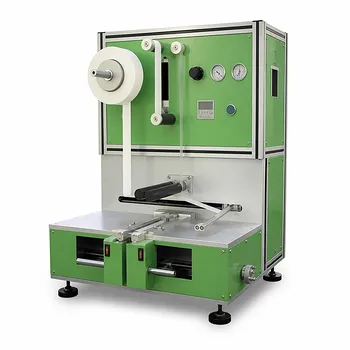
Lithium Ion Battery Z Type Semi Automatic Stacking Machine
Lithium ion battery Z type semi automatic stacking machine combines controlled separator tension, foot pedal operation, precise alignment, and digital timing for efficient research sample preparation and small batch cell prototyping.
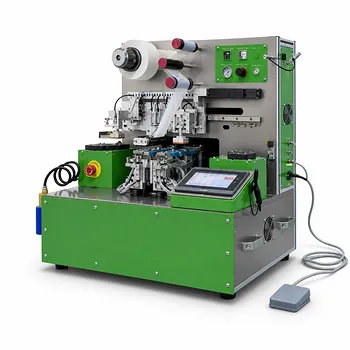
Z Shaped Semi Automatic Stacking Machine
Z shaped semi automatic stacking machine for lithium ion cell research delivers automated electrode alignment controlled separator tension and accurate programmable Z stacking for flexible prototype assembly in glovebox compatible laboratory workflows with adjustable fixtures vacuum pickup HMI operation.
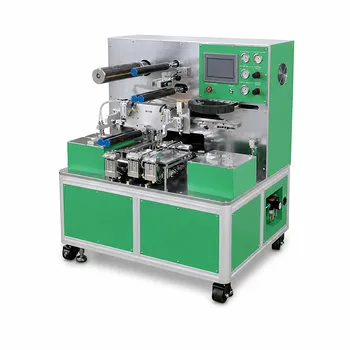
Lithium Ion Battery Semi Automatic Stacking Machine
Semi automatic lithium ion battery stacking machine delivers precise Z folding electrode and separator assembly with automatic alignment tension control and programmable layers for flexible cell research sample fabrication in advanced laboratory development workflows and pilot production tasks.
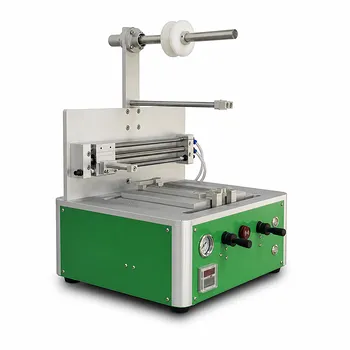
Z Type Semi Automatic Battery Electrode Stacking Machine
Z type semi automatic battery electrode stacking machine delivers controlled separator guided layering, wide electrode compatibility, foot pedal pneumatic operation, and digital counting for efficient laboratory cell fabrication workflows across research and pilot production environments with straightforward setup in compact installations.
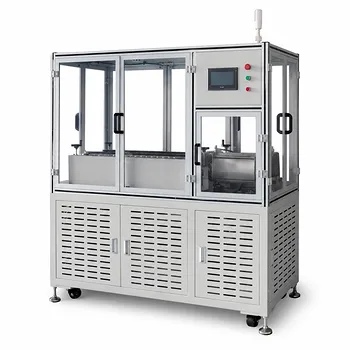
Horizontal Hot Press Formation Machine for Pouch Lithium Ion Batteries
Horizontal hot press formation equipment for pouch lithium ion batteries combines 32-point clamping, 6A charge-discharge capability, controlled heating, and pneumatic pressure for efficient, flat, stable cell activation with reduced handling and shorter manufacturing cycles for manufacturers.
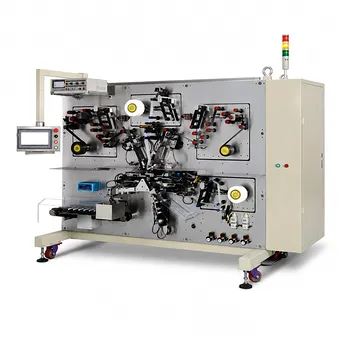
Fully Automatic Cylindrical Lithium Battery Winding Machine
Fully automatic cylindrical lithium battery winding machine delivers servo indexed positioning dual half pin winding automatic tension control edge correction short circuit testing defect rejection and gentle cell transfer for consistent high efficiency cylindrical cell production across laboratory and industrial workflows.
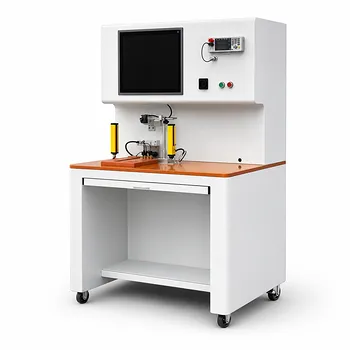
Manual OCV Multifunction Test Sorting Machine
Manual OCV multifunction test sorting machine for pouch lithium ion prismatic cells combines voltage and internal resistance grading data binding database storage and operator guided handling for controlled battery production inspection with computer display and configurable audible grade notification.
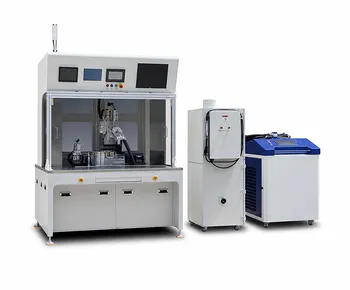
Prismatic Aluminum Case Battery Laser Welding System
Integrated laser welding system for prismatic aluminum case batteries combines top cover full seam and sealing pin welding with precise fixturing vision inspection protective gas and dust extraction for consistent high quality production in advanced battery manufacturing lines worldwide.
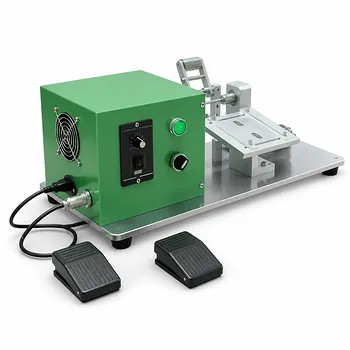
Manual Lithium Battery Electrode Sheet Winding Machine
Manual lithium battery electrode sheet winding machine for supercapacitor cylindrical and pouch cell fabrication featuring adjustable guides bidirectional variable speed winding support rollers and compact foot-pedal operation for dependable laboratory electrode assembly and repeatable cell winding workflows.
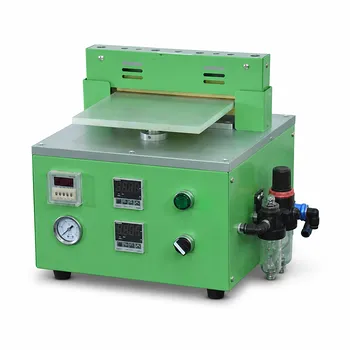
Top Side Sealing Machine for Pouch Lithium Battery Packaging
Top side sealing machine for pouch lithium batteries delivers adjustable temperature pressure and timing with copper heat heads for clean consistent aluminum plastic film seals in laboratory cell manufacturing workflows.
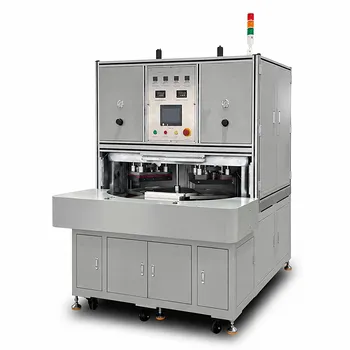
Rotary Hot Cold Press for Pouch Lithium Battery Cells
Rotary hot and cold press for pouch lithium battery cells delivers high-throughput thermal forming, precision thickness control, adjustable 5T pressing force, and reliable three-station automation for demanding battery manufacturing lines requiring controlled dwell, platen alignment, and repeatable material handling.
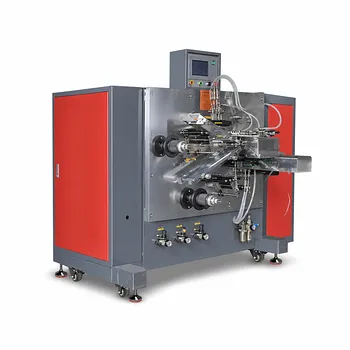
Semi Automatic Cylindrical Lithium Battery Winding Machine
Precision semi-automatic cylindrical lithium battery winding machine for consistent cell assembly, adjustable winding speed, controlled diaphragm tension, accurate alignment, reliable tape application, automatic needle exchange, and efficient unloading across battery research and advanced materials manufacturing workflows with repeatable results.
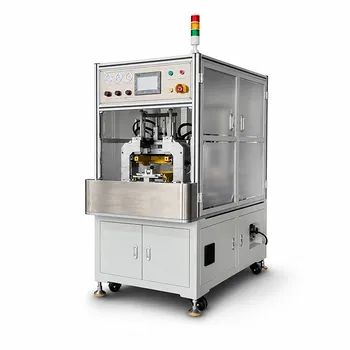
Linear Top and Side Sealing Machine for Pouch Lithium Battery Packaging
Linear top and side sealing machine for dual-tab pouch lithium batteries, combining servo fixture transfer, adjustable temperature control, precision sealing, automated safety protection, and 4 PPM output for repeatable packaging operations.
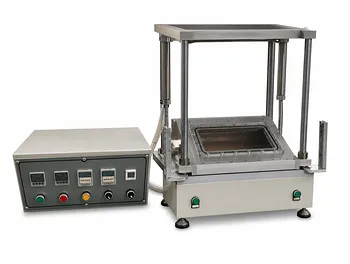
Vacuum Pre Sealing Machine Top Side Sealing Machine
Vacuum pre sealing machine and top side sealing machine for battery packaging with adjustable sealing time precise temperature control high vacuum operation and dependable laboratory production performance for consistent pouch cell processing and efficient glovebox workflows across demanding research environments
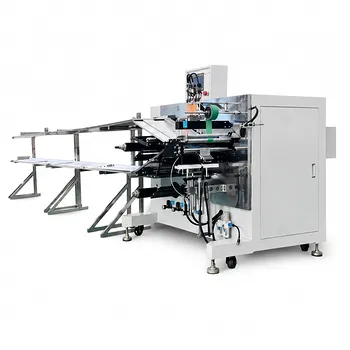
Semi Automatic Cylindrical Battery Winding Machine
Semi automatic cylindrical battery winding machine for lithium ion cell production with precision alignment adjustable winding speed automatic termination tape application active diaphragm tension control dust removal and reliable unloading for consistent high yield performance in demanding research environments.
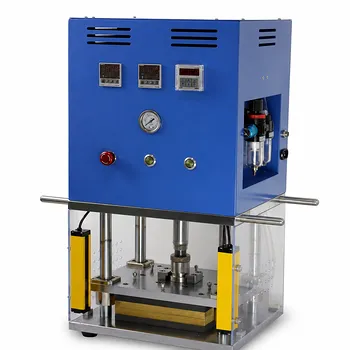
Manual Battery Cell Hot Press Flattening Shaping Machine
Manual battery cell hot press flattening shaping machine delivers adjustable 1T pressure and 250°C heating for consistent wound cell thickness reduced rebound safer casing insertion and reliable lithium battery production.
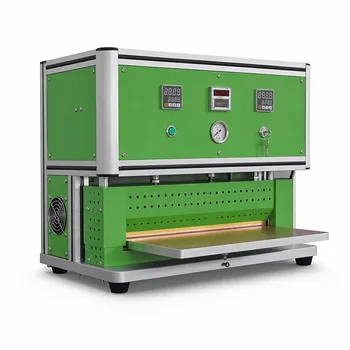
200mm Wide Pouch Cell Top Side Sealing Machine
200mm wide pouch cell top and side sealing machine delivers adjustable copper heat sealing precise temperature control and pneumatic pressure for uniform aluminum plastic film seals in lithium battery production and research lines laboratories and pilot scale cell fabrication.
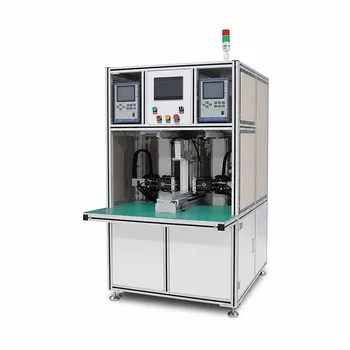
Five Axis Double Sided Automatic Servo Spot Welding Machine
Five axis double sided automatic servo spot welding machine delivers monitored high speed welding for lithium battery packs with programmable points arrays and graphic import supporting 18650 21700 26650 and 32650 cells plus configurable 5000A 6000A or 8000A transistor power.
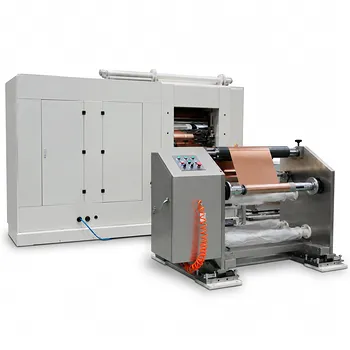
High Precision Lithium Battery Electrode Sheet Calendering Machine
High precision lithium battery electrode sheet calendering machine delivers controlled compaction, adjustable roll gaps, 4000 kN line pressure, accurate tension handling, and consistent electrode density for demanding cell manufacturing lines.
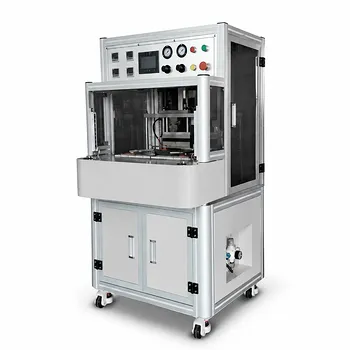
200mm Rotary Pouch Cell Top Side Heat Sealing Machine
200mm rotary pouch cell top and side heat sealing machine delivers independently adjustable temperature time pressure and stroke control for consistent square lithium battery edge packaging in production and research.