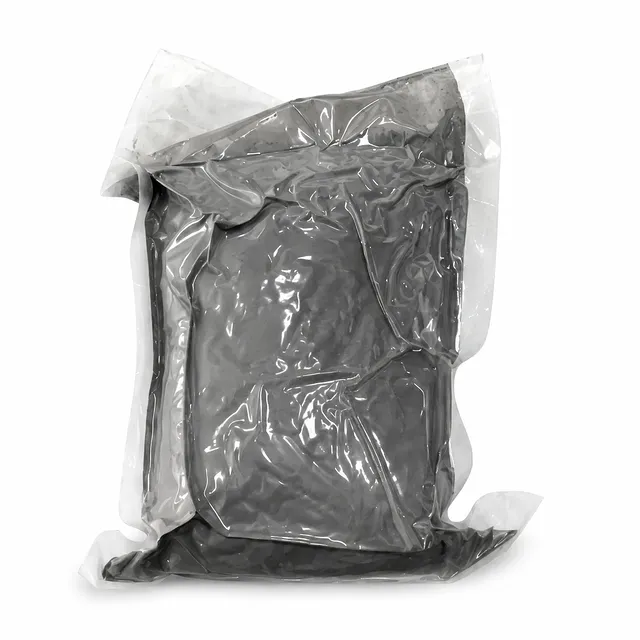
Battery powder materials
Lithium Battery Cathode Material Lithium Iron Phosphate LiFePO4 Powder LFP
Item Number : CL06
Price varies based on specs and customizations
- First Discharge Capacity (0.1C)
- ≥ 150.0 mAh/g
- Particle Size Distribution (D50)
- 0.6 – 4.0 µm
- Moisture Content
- ≤ 1000 ppm

Shipping:
Contact us to get shipping details Enjoy On-time Dispatch Guarantee.
Why Choose Us
Easy ordering process, quality products, and dedicated support for your business success.
Product Overview
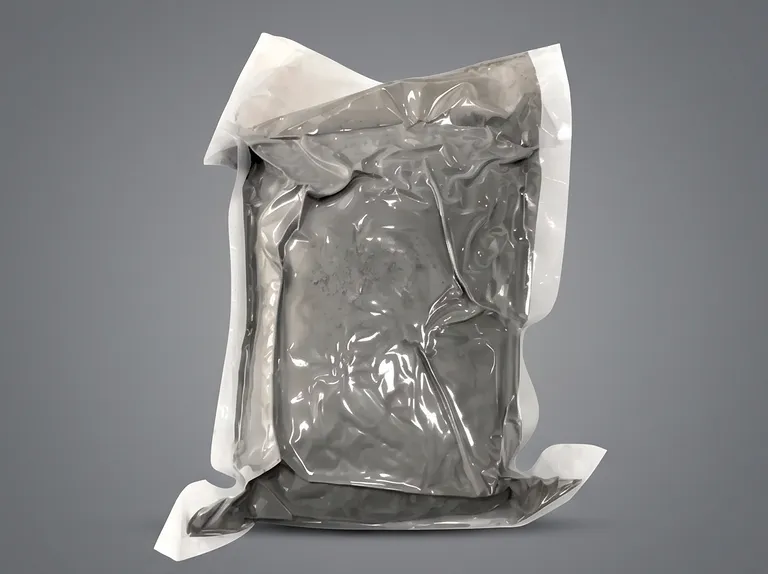
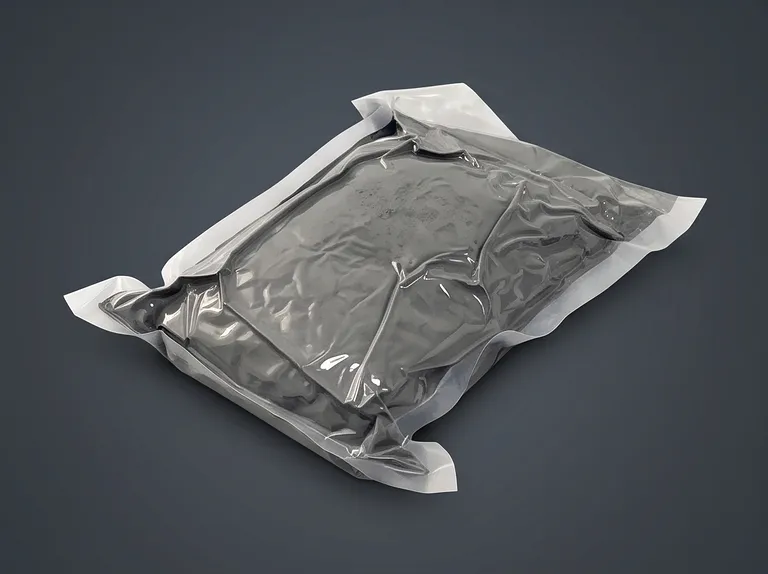
This high-purity lithium iron phosphate (LiFePO4/LFP) powder serves as an advanced cathode active material engineered specifically for high-safety, long-cycle-life lithium-ion battery development and manufacturing. Combining superior olivine-structure stability with an optimized conductive carbon surface coating, the material delivers balanced electrochemical performance, robust power delivery, and exceptional environmental safety across demanding operating regimes.
Designed for electrochemical laboratories, pilot fabrication facilities, and commercial cell production, this cathode powder is widely utilized in electric vehicle (EV) cells, stationary energy storage systems (ESS), and high-rate power tools. Compared to traditional layered transition metal oxides (such as LiCoO2 and Ni-rich NMC) or spinel structures (such as LiMn2O4), this material eliminates cobalt dependency, mitigates toxic transition metal leaching, and provides outstanding thermal stability under abusive operating conditions.
The powder undergoes rigorous multi-stage quality control to guarantee tight particle size distribution, minimal trace metal contaminants, and exceptionally low residual moisture content. Shipped vacuum-sealed and ready for direct slurry integration without pre-drying, this cathode material ensures reproducible coating rheology, superior electrode adhesion, and dependable electrochemical yields across coin cell, pouch cell, and cylindrical cell formats.
Key Features
- Superior First-Cycle Efficiency and Discharge Capacity: Delivers high initial discharge capacities (≥150.0 mAh/g at 0.1C) with a first-cycle Coulombic efficiency exceeding 95%, ensuring optimal energy retention during full-cell formation.
- Nanostructured Carbon Coating for Enhanced Conductivity: Features an engineered surface carbon layer (1.0% to 1.5% C content) that overcomes intrinsic olivine conductivity limitations, facilitating rapid lithium-ion diffusion and lowering bulk electronic resistivity (≤100 Ω·cm).
- Precision Particle Size Engineering: Formulated with tightly controlled particle distributions (D50 ranging from 0.6 µm to 4.0 µm across specialized variants) to maximize slurry packing density, prevent agglomeration, and achieve uniform doctor-blade coating.
- Ultra-Low Moisture Content for Direct Slurry Processing: Strictly controlled to <1000 ppm via Karl Fischer coulometry at 200°C, eliminating the requirement for secondary vacuum baking and mitigating electrolyte hydrolysis and hydrofluoric acid generation.
- High Tap Density and Packing Homogeneity: Optimized morphology provides tap densities up to 1.0 ± 0.2 g/cm³, allowing researchers and cell manufacturers to fabricate high-calendering-density electrodes without particulate fracture.
- Stringent Metal Impurity Control: Utilizing high-precision ICP-OES validation, transition metal and alkali impurities (Ca, Na, Mg, Cr, Mn, Ni, Cu, Zn) are restricted to ppm-level thresholds to prevent internal micro-shorting and localized self-discharge.
- Intrinsic Thermal and Chemical Resilience: Exhibits exceptional resistance to thermal runaway up to temperatures exceeding 600°C, offering superior operational tolerance compared to standard layered oxide cathodes.
- Consistent Microstructural Uniformity: Uniform sub-micron primary particles and spherical or quasi-spherical secondary aggregates maintain long-term structural integrity through extensive lithiation and delithiation cycles.
Applications
| Application | Description | Key Benefit |
|---|---|---|
| Stationary Energy Storage Systems (ESS) | Grid-scale and residential energy storage cells requiring prolonged operational lifespans and deep discharge cycles. | Exceptional cycle life exceeding thousands of cycles with minimal capacity fade and intrinsic structural safety. |
| Electric Commercial Vehicles and E-Mobility | Heavy-duty electric buses, delivery fleets, and light electric vehicles operating under variable ambient temperatures. | Thermal stability above 600°C that mitigates runaway hazards while lowering raw material costs compared to cobalt-based chemistries. |
| Coin Cell R&D and Academic Materials Science | High-throughput electrochemical screening, half-cell evaluation, and novel electrolyte/separator testing in research laboratories. | High batch-to-batch repeatability and predictable first-cycle Coulombic efficiency for rigorous baseline benchmarking. |
| Pouch Cell Pilot Line Manufacturing | Pilot-scale electrode preparation, automated slurry coating, continuous roll calendering, and cell assembly verification. | Pre-conditioned, low-moisture powder enables direct slurry mixing without slurry gelation or pinhole coating defects. |
| High-Rate Pulse Power Devices | Power tools, uninterrupted power supply (UPS) units, and marine starter batteries requiring high current delivery. | Carbon-coated nanostructure facilitates low internal resistance and fast lithium intercalation dynamics. |
| Hybrid and Solid-State Battery Development | Next-generation solid-state and semi-solid electrolyte interface studies requiring stable, non-reactive cathode surfaces. | Stable olivine framework prevents transition metal dissolution and minimizes interface impedance degradation. |
Technical Specifications
Series Variant Specifications
| Parameter | Unit | Variant CL06-01 | Variant CL06-02 | Variant CL06-03 | Test Method / Instrumentation |
|---|---|---|---|---|---|
| Appearance | — | Gray-black powder, uniform color, no hard agglomeration | Gray-black powder, no agglomeration | Gray-black powder, no agglomeration | Visual Inspection |
| First Discharge Capacity (0.1C) | mAh/g | ≥ 150.0 | — | — | Coin half-cell (vs. Li/Li+) |
| First Charge Capacity (0.1C) | mAh/g | ≥ 154.0 | ≥ 150.0 | ≥ 154.0 (Tested: 156.3) | Coin half-cell (vs. Li/Li+) |
| First Cycle Efficiency (0.1C) | % | ≥ 95.0 | ≥ 90.0 | ≥ 95.0 (Tested: 97.62) | Coin half-cell ratio |
| Bulk Density | g/cm³ | ≥ 0.30 | — | — | BT-303 Tap Density Analyzer |
| Tap Density | g/cm³ | ≥ 0.80 | 1.0 ± 0.2 | 0.8 ± 0.2 (Tested: 0.710) | Tap Density Analyzer |
| Specific Surface Area (SSA) | m²/g | 10.0 ± 1.5 | 13.0 ± 2.0 | 12.0 ± 2.0 (Tested: 11.395) | BET Dynamic Adsorption / TriStar II 3020 |
| Electrical Resistivity | Ω·cm | — | — | ≤ 100 (Tested: 6.934) | Mitsubishi Powder Resistivity Meter |
| Moisture Content | ppm | ≤ 1000 | < 1500 | < 1000 (Tested: 667.1) | Karl Fischer Coulometry (200°C heating) |
| Slurry pH Value | — | 8.0 ~ 10.0 | — | 9.5 ± 1.0 (Tested: 9.20) | pH Meter (10 g LFP in 90 g CO₂-free water) |
| Microstructure | — | Uniform Morphology | Uniform Morphology | Uniform Morphology | Scanning Electron Microscopy (SEM) |
Particle Size Distribution (Laser Diffraction)
| Particle Metric | Unit | Variant CL06-01 | Variant CL06-02 | Variant CL06-03 | Test Conditions |
|---|---|---|---|---|---|
| D10 | µm | ≥ 0.35 | < 1.5 | ≥ 0.25 (Tested: 0.419) | Aqueous dispersion, Malvern Mastersizer 2000 |
| D50 | µm | 0.6 ~ 1.8 | 4.0 ± 2.0 | 1.3 ± 0.5 (Tested: 1.070) | Aqueous dispersion, Malvern Mastersizer 2000 |
| D90 | µm | ≤ 4.50 | < 10.0 | < 10.0 (Tested: 2.750) | Aqueous dispersion, Malvern Mastersizer 2000 |
| D97 | µm | ≤ 7.50 | — | — | Aqueous dispersion, Malvern Mastersizer 2000 |
Chemical Composition and Carbon Content
| Element | Unit | Specification (CL06-01) | Specification (CL06-03) | Analytical Test Method |
|---|---|---|---|---|
| Lithium (Li) | wt% | 4.3 ± 0.3 | — | Inductively Coupled Plasma (ICP-OES) |
| Iron (Fe) | wt% | 34.5 ± 1.0 | — | Inductively Coupled Plasma (ICP-OES) |
| Phosphorus (P) | wt% | 19.5 ± 1.0 | — | Inductively Coupled Plasma (ICP-OES) |
| Carbon (C) | wt% | 1.0 ~ 1.5 | 1.45 ± 0.2 (Tested: 1.42) | High-Frequency Infrared Carbon-Sulfur Analyzer |
Impurity Trace Metal Limits (ICP-OES)
| Impurity Metal | Max Threshold (wt%) | Typical Detection Method |
|---|---|---|
| Calcium (Ca) | ≤ 0.030% (300 ppm) | Agilent 710 ICP-OES |
| Sodium (Na) | ≤ 0.030% (300 ppm) | Agilent 710 ICP-OES |
| Magnesium (Mg) | ≤ 0.030% (300 ppm) | Agilent 710 ICP-OES |
| Chromium (Cr) | ≤ 0.015% (150 ppm) | Agilent 710 ICP-OES |
| Manganese (Mn) | ≤ 0.010% (100 ppm) | Agilent 710 ICP-OES |
| Nickel (Ni) | ≤ 0.010% (100 ppm) | Agilent 710 ICP-OES |
| Copper (Cu) | ≤ 0.005% (50 ppm) | Agilent 710 ICP-OES |
| Zinc (Zn) | ≤ 0.005% (50 ppm) | Agilent 710 ICP-OES |
Packaging, Handling, and Storage Guidelines
| Parameter | Standard Details |
|---|---|
| Standard Packaging Configurations | 100 g/bag, 500 g/bag, 1000 g/bag (multi-layer aluminum vacuum-sealed bags) |
| Pre-Processing Handling | Strict moisture-controlled manufacturing allows direct slurry incorporation without customer pre-baking under standard conditions |
| Shelf Life | 24 Months (2 Years) under unopened, dry, and room-temperature storage conditions |
| Custom Specification Alignment | Specialized particle size distributions, custom carbon coating percentages, or target tap densities can be negotiated and custom-synthesized upon technical review |
Why Choose This Product
- Direct-to-Slurry Processing Efficiency: Featuring an ultra-dry chemical profile (<1000 ppm residual moisture), this powder eliminates costly and time-consuming secondary vacuum drying, preventing binder cross-linking issues and accelerating production cycles.
- Controlled Carbon-Coating Metallurgy: Engineered with uniform nano-carbon shells to provide consistent powder resistivity (down to <10 Ω·cm) and reliable high-rate charge/discharge kinetics across wide current densities.
- Comprehensive Trace Element Purity: Screened using advanced ICP-OES and infrared combustion analysis to minimize harmful magnetic and metallic contaminants, safeguarding long-term cycling reliability and cell impedance stability.
- Versatile Workflow Compatibility: Seamlessly integrates into laboratory-scale planetary ball mills, high-shear slurry mixers, automated slot-die coaters, and heated rolling presses for standardized cell assembly.
- Long-Term Shelf Stability and Customization: Guaranteed 2-year shelf life in heavy-duty vacuum packaging, backed by engineering support for custom particle grading, tap density tuning, and pilot-scale supply contracts.
Contact our technical sales team today to request a quote, order evaluation samples, or discuss custom specification formulations for your energy storage research.
Trusted by Industry Leaders

REQUEST A QUOTE
Our professional team will reply to you within one business day. Please feel free to contact us!
Related Products
Lithium Battery Powder Resistivity and Compacted Density Measurement System
Optimize cathode and anode slurry formulations with this automated lithium battery powder resistivity and compacted density measurement system featuring closed-loop servo pressure execution high-resolution displacement monitoring synchronous environmental logging and automated analytical software for precision electrode quality control workflows

Lab XRF Boric Acid Powder Pellet Pressing Mold for Laboratory Use
Precision XRF boric acid pellet pressing mold for accurate sample preparation. Durable, high-grade alloy tool steel, ensures reliable XRF spectrometry results.

XRF KBR Steel Ring Lab Powder Pellet Pressing Mold for FTIR
Precision XRF steel ring pellet mold for lab sample prep. Durable, efficient, ensures accurate XRF analysis. Custom sizes available. Order now!

XRF KBR Plastic Ring Lab Powder Pellet Pressing Mold for FTIR
XRF Powder Pellet Pressing Mold with Plastic Rings for precise sample preparation. Achieve uniform pellets with durable alloy tool steel construction. Custom sizes available.

Lab Round Bidirectional Press Mold
Precision Round Bidirectional Press Mold for lab use, high-density compaction, Cr12MoV alloy steel. Ideal for powder metallurgy & ceramics.
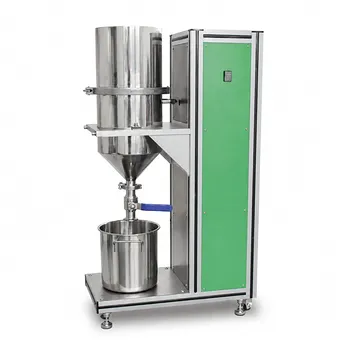
5L Laboratory Slurry Iron Removal Filtration System for Lithium Battery Electrode Production
5L laboratory slurry iron removal filtration system combines vacuum filtration and 8000–10000 gauss magnetic separation for consistent lithium battery electrode coatings before coating with cleanable stainless construction flexible filter mesh selection reliable pilot scale processing and routine maintenance
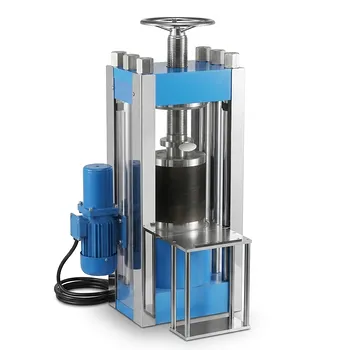
Split Warm Isostatic Lab Press 200 Ton Powder Compaction Chamber for Battery Research and Material Science
Optimize your research with this 200 ton split warm isostatic press featuring uniform temperature control, advanced curve recording, and a safe high definition touchscreen interface ideal for challenging powder compaction in advanced battery and technical ceramic materials research.

Lab Infrared Press Mold for No Demolding
Streamline infrared sample prep with KINTEK's non-demountable molds—achieve high transmittance without demolding. Ideal for spectroscopy.
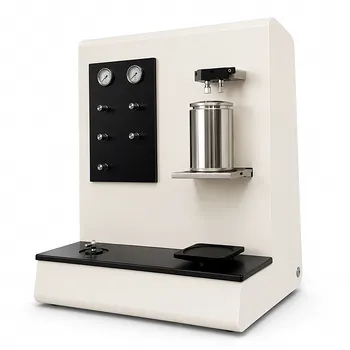
Dynamic BET Specific Surface Area Analyzer for Powders and Porous Materials
High-precision dynamic BET specific surface area analyzer designed for rapid, accurate characterization of battery materials, catalysts, and porous powders. Features advanced thermal conductivity detection, ultra-low surface area sensitivity down to 0.0005 m2/g, and fast three-minute throughput.

Lab Cylindrical Press Mold for Laboratory Use
Precision cylindrical press molds for lab sample prep. Durable, high-performance, and customizable for XRF, battery research, and material testing. Get yours today!