In-situ Raman Test Cell
Secondary Zinc Air Reactor Metal Fuel Cell Test Apparatus
Item Number : BE04
Price varies based on specs and customizations
- Reaction Area Options
- 1*, 2, 3, 4, and 4.5 cm²
- Positive and Negative Electrode Distance
- 1.4 cm
- Liquid Capacity Using 6 mol/L KOH as an Example
- 2.5 ml to 5 ml depending on configuration

Shipping:
Contact us to get shipping details Enjoy On-time Dispatch Guarantee.
Why Choose Us
Easy ordering process, quality products, and dedicated support for your business success.
Product Overview
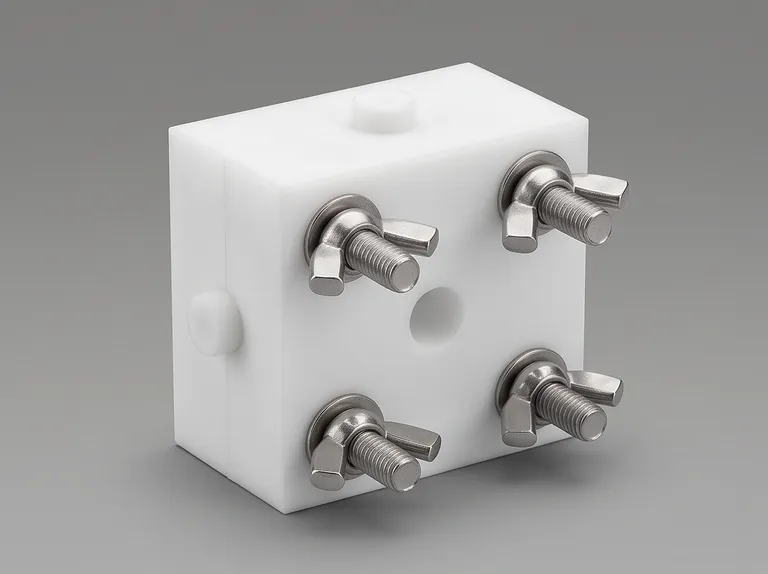
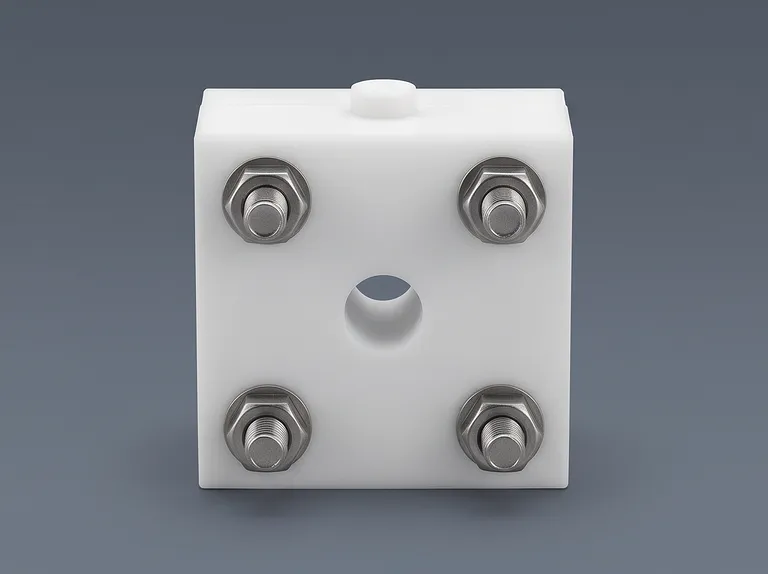
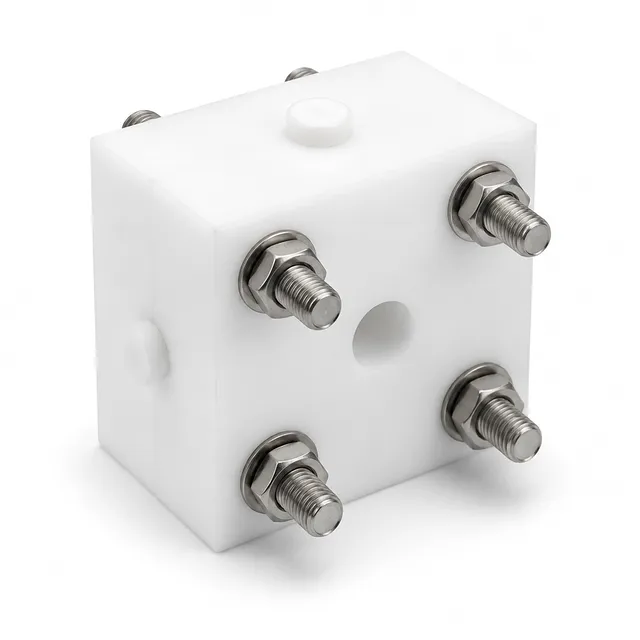
This system is a compact secondary zinc air reactor and metal fuel cell test apparatus designed for controlled laboratory evaluation of electrochemical reactions. Its white polypropylene construction provides strong resistance to alkaline environments, while the defined electrode geometry supports repeatable positioning of the positive and negative electrodes. The structure is opaque and designed to maintain liquid containment during testing.
The unit supports zinc air battery research, secondary zinc air cell development, metal fuel cell testing, and comparative electrode studies. It is suitable for battery R&D laboratories, electrochemical research groups, advanced materials programs, academic facilities, and process development teams investigating zinc electrodes, air cathodes, alkaline electrolytes, and gas diffusion electrode behavior.
A simple assembly and detachable construction make the equipment practical for frequent configuration changes, inspection, cleaning, and experimental iteration. Multiple reaction-area options allow researchers to match the test cell to the electrode geometry and test objective, while an optional larger anode or zinc electrode area can increase the liquid capacity without changing the cathode test area.
Key Features
-
Alkaline-Resistant Polypropylene Construction: The body uses polypropylene, a material selected for resistance to alkaline media, high structural strength, and reduced tendency to retain oil contamination or suffer surface wear during routine laboratory handling.
-
Defined Electrode Geometry: A 1.4 cm positive-to-negative electrode distance provides a consistent cell arrangement for comparative testing. Fixed geometry helps reduce variation caused by manual repositioning between experiments.
-
Leak-Resistant Test Structure: The apparatus is designed not to leak liquid during normal use. This supports cleaner work areas, more dependable electrolyte handling, and better continuity during laboratory measurements.
-
Selectable Reaction Areas: Available reaction-area configurations include 1, 2, 3, 4, and 4.5 cm². Researchers can select a configuration that matches the active electrode size, current-density target, and experimental protocol.
-
Controlled Electrolyte Capacity: The liquid capacity is defined for each reaction-area configuration. Using 6 mol/L KOH as an example, the available volumes range from 2.5 ml to 5 ml, helping researchers establish repeatable electrolyte conditions.
-
Simple Assembly: The equipment is straightforward to assemble and easy to disassemble. This reduces setup complexity and supports efficient electrode replacement, electrolyte changes, cleaning, and post-test inspection.
-
Compact Laboratory Format: With a width of 7 cm and a height of 6 cm, the unit occupies limited bench space while providing a practical platform for focused zinc air and metal fuel cell experiments.
-
Configurable Anode Side: The anode or zinc electrode side can be configured with a 4.5 cm² reaction area while retaining a 1 cm² cathode area. This increases the liquid quantity in the apparatus without inherently changing the cathode performance test area.
-
Customization Potential: Other reaction-area requirements can be discussed for custom configurations. This allows the test platform to accommodate project-specific electrode dimensions and research methods.
Applications
| Application | Description | Key Benefit |
|---|---|---|
| Secondary Zinc Air Battery Research | Evaluate zinc anode and air cathode behavior in alkaline electrolyte systems during laboratory development of rechargeable zinc air cells. | Provides selectable reaction areas and defined electrode spacing for controlled comparisons. |
| Metal Fuel Cell Testing | Test metal-fuel electrochemical configurations where zinc or another compatible metal electrode is evaluated against an air electrode. | Supports repeatable cell assembly and practical adjustment of the active electrode geometry. |
| Air Cathode Development | Assess air cathode response, gas diffusion electrode behavior, and cathode-side performance while maintaining a defined cathode area. | The enlarged anode-side option can increase liquid capacity without changing the 1 cm² cathode test area. |
| Zinc Anode Evaluation | Investigate zinc electrode performance, electrolyte interaction, and changes associated with anode geometry in alkaline conditions. | Multiple reaction-area configurations help align the test cell with the target electrode size. |
| Alkaline Electrolyte Studies | Conduct controlled experiments using alkaline electrolyte formulations, including 6 mol/L KOH as a reference condition. | Specified liquid capacities support consistent electrolyte dosing across configurations. |
| Electrode and Separator Studies | Examine electrode arrangements and separator-related test conditions in compact laboratory cells before extended electrochemical testing. | The detachable structure simplifies setup changes, inspection, and cleaning between trials. |
| Academic Electrochemistry Programs | Support teaching and research experiments involving zinc air chemistry, metal electrodes, and aqueous electrochemical systems. | Simple assembly and compact dimensions make the apparatus accessible for repeated bench-scale experiments. |
| Custom Battery R&D Protocols | Adapt the cell arrangement for project-specific active-area requirements or laboratory testing workflows. | Custom reaction-area configurations can be considered when standard options do not match the research design. |
Technical Specifications
| Parameter | BE04 1 cm² | BE04 2 cm² | BE04 3 cm² | BE04 4 cm² | BE04 4.5 cm² |
|---|---|---|---|---|---|
| Site-facing configuration identifier | BE04 1 cm² reaction area | BE04 2 cm² reaction area | BE04 3 cm² reaction area | BE04 4 cm² reaction area | BE04 4.5 cm² reaction area |
| Reaction area | 1* cm² | 2 cm² | 3 cm² | 4 cm² | 4.5 cm² |
| Liquid capacity using 6 mol/L KOH as an example | 4 ml | 2.5 ml | 3.5 ml | 4.5 ml | 5 ml |
| General Parameter | Specification |
|---|---|
| Mold material | White PP board, polypropylene |
| Appearance | Opaque |
| Width | 7 cm |
| Height | 6 cm |
| Positive and negative electrode distance | 1.4 cm |
| Sealing performance | No liquid leakage |
| Assembly | Simple to assemble |
| Disassembly | Easy to disassemble |
| Standard reaction-area options | 1, 2, 3, 4, and 4.5 cm² |
| Custom reaction areas | Other requirements can be customized; contact the supplier for confirmation |
| Configuration Note | Technical Detail |
|---|---|
| Enlarged anode-side arrangement | To increase the liquid quantity during reaction, the anode or zinc electrode side can use a 4.5 cm² reaction area while the cathode remains 1 cm². |
| Effect on cathode testing | This adjustment itself does not affect cathode performance testing. |
| Return to 1 cm² anode area | Contact the supplier if the anode area must be adjusted back to 1 cm². |
| Electrolyte reference | Liquid capacities are provided using 6 mol/L KOH as an example. |
The configuration range is intended to help researchers select a practical relationship between electrode area and electrolyte volume. The 1 cm² option provides a compact baseline for cathode-focused measurements and small-format electrode screening. The 2, 3, and 4 cm² options offer progressively larger active areas for experiments that require more electrode surface. The 4.5 cm² option is especially useful when greater liquid quantity is needed on the anode or zinc electrode side.
The stated liquid capacities are configuration-specific reference values rather than a universal operating requirement. Researchers should select the electrolyte type, concentration, and filling procedure according to the test protocol and material compatibility requirements. When 6 mol/L KOH is used, the listed capacity provides a clear starting point for planning electrolyte preparation and repeatable dosing.
The white polypropylene body combines practical chemical resistance with a robust laboratory form. Its resistance to alkaline media is relevant to zinc air research, where aqueous alkaline electrolytes are commonly evaluated. The material also resists oil adhesion and wear, which helps maintain a serviceable surface during handling and repeated experimental preparation. The opaque construction limits direct visual inspection through the body, so researchers should use their established inspection and measurement procedures when monitoring the cell.
The 1.4 cm electrode distance is an important geometric reference for experimental consistency. Maintaining the same separation across comparable tests can help reduce uncontrolled changes in ionic path length and cell arrangement. This supports more meaningful comparisons of electrode materials, electrolyte conditions, and operating procedures. The defined spacing should be used together with a consistent electrode mounting and sealing method.
The leak-resistant structure is useful for laboratory workflows that involve alkaline liquid. Reliable liquid containment reduces the risk of interrupted tests caused by leakage and helps keep the surrounding bench cleaner. It also supports more orderly electrolyte replacement and post-test handling. Researchers remain responsible for following appropriate laboratory procedures for alkaline chemical storage, transfer, personal protection, and waste management.
The detachable design supports a practical maintenance cycle. Operators can disassemble the equipment for electrode replacement, electrolyte removal, cleaning, and inspection, then reassemble it for the next test. This is valuable in development programs where electrode composition, active area, separator arrangement, or electrolyte condition changes frequently. A simple structure also makes it easier to standardize preparation steps across multiple operators.
For zinc air studies, the apparatus can be used to compare anode conditions, air cathode designs, and test-area relationships. Supplementary research considerations may include zinc dendrite growth, zincate supersaturation, and long-term air cathode catalyst degradation. This equipment provides the compact test-cell platform needed to evaluate such material and design questions, while the specific cycling method, current profile, gas exposure, and analytical procedure should be defined by the research team.
For metal fuel cell programs, the selectable active areas help researchers examine how electrode size affects the test arrangement and electrolyte quantity. The platform can support early screening, comparative materials work, and custom laboratory protocols before a larger or more specialized test system is selected. Where the standard configurations do not match the required electrode dimensions, custom reaction-area requirements can be submitted for evaluation.
Why Choose This Product
-
Engineered for Alkaline Research: Polypropylene construction combines alkaline resistance, high strength, and practical resistance to oil contamination and wear for demanding laboratory handling.
-
Consistent Experimental Geometry: Defined dimensions, electrode separation, reaction areas, and reference liquid capacities help laboratories improve repeatability across comparative tests.
-
Flexible Configuration Selection: Five reaction-area options support different electrode sizes and test objectives, while custom arrangements can be considered for specialized programs.
-
Efficient Laboratory Operation: Simple assembly and disassembly reduce preparation effort and support faster electrode changes, cleaning, inspection, and electrolyte replacement.
-
Practical Containment and Support: No-liquid-leakage design and responsive configuration assistance provide a dependable foundation for zinc air and metal fuel cell development.
Contact us for a quotation, configuration guidance, or a custom solution matched to your electrode area, electrolyte volume, and test protocol.
Trusted by Industry Leaders

REQUEST A QUOTE
Our professional team will reply to you within one business day. Please feel free to contact us!
Related Products

Laboratory Hydraulic Pellet Press for XRF KBR FTIR Lab Press
KINTEK Lab Press Machines: Precision hydraulic presses for sample prep. Automatic, heated, and isostatic models for research labs. Get expert advice now!
Desktop Continuous Film Coating Testing Machine for 18650 Cylindrical Batteries
Desktop continuous coating machine for lithium battery electrodes 18650 cylindrical cell research ceramic films crystal films and nanofilms offering adjustable coating width precise thickness control automatic rewinding and independent PID oven temperature regulation for university laboratories and small scale production

Lab XRF Boric Acid Powder Pellet Pressing Mold for Laboratory Use
Precision XRF boric acid pellet pressing mold for accurate sample preparation. Durable, high-grade alloy tool steel, ensures reliable XRF spectrometry results.

XRF KBR Plastic Ring Lab Powder Pellet Pressing Mold for FTIR
XRF Powder Pellet Pressing Mold with Plastic Rings for precise sample preparation. Achieve uniform pellets with durable alloy tool steel construction. Custom sizes available.

Automatic Laboratory Hydraulic Press for XRF and KBR Pellet Pressing
KinTek XRF Pellet Press: Automated sample prep for precise XRF/IR analysis. High-quality pellets, programmable pressure, durable design. Boost lab efficiency today!
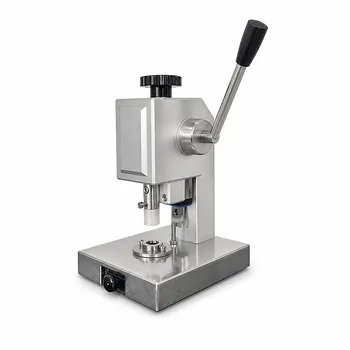
Coin Cell Electrode Sheet Punching Machine
Coin cell electrode sheet punching machine for precision die cutting of battery cathodes anodes separators and thin materials with compact operation flexible die sizes and glovebox compatible handling for laboratory research workflows consistent clean edges in demanding battery development applications.

Lab Double Plate Heating Mold for Laboratory Use
Precision Double Plate Heating Mold for labs, featuring dual-zone temperature control, rapid cooling, and uniform heating. Ideal for material testing and sample preparation.

Lab Cylindrical Press Mold for Laboratory Use
Precision cylindrical press molds for lab sample prep. Durable, high-performance, and customizable for XRF, battery research, and material testing. Get yours today!

Laboratory Hydraulic Split Electric Lab Pellet Press
KINTEK Split Electric Lab Press: Precision sample preparation for research. Compact, versatile, with advanced pressure control. Ideal for material studies.
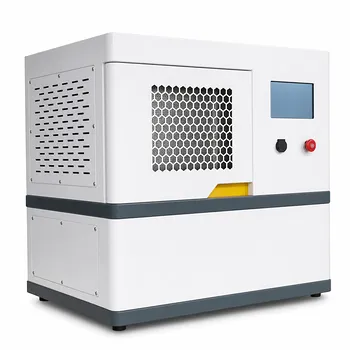
Solid-State Battery Laboratory Hydraulic Hot Press Machine
Precision laboratory hydraulic hot press for solid-state battery research, with dual-plate heating up to 300°C, 50-ton active pressure holding, programmable touchscreen control, and robust benchtop design, ideal for academic and industrial laboratories compacting electrolyte pellets and laminating electrodes.
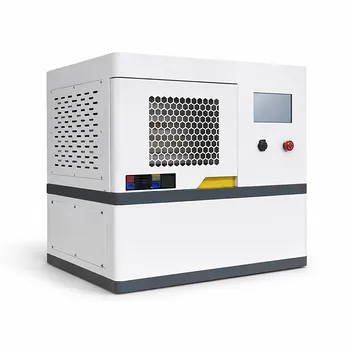
Solid-State Battery Research Laboratory Hydraulic Hot Press
Reliable laboratory hydraulic hot press for solid-state battery research offers independent dual-zone heating, programmable pressure with auto compensation, and a touchscreen interface, enabling precise pelletizing of electrolytes, polymer lamination, and composite fabrication up to 300°C and 20 tons.
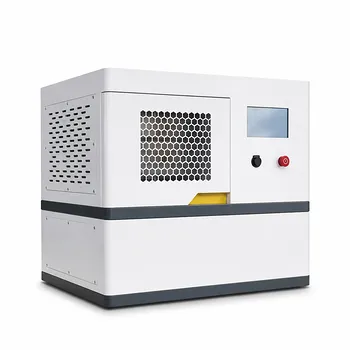
Laboratory Hydraulic Hot Press for Solid-State Battery Research
Compact benchtop hydraulic hot press for solid-state battery research, with dual heated platens, programmable touchscreen, and precise temperature control up to 300°C and 5 tons force. Ideal for electrolyte synthesis and electrode lamination, with automatic pressure holding. CE certified.
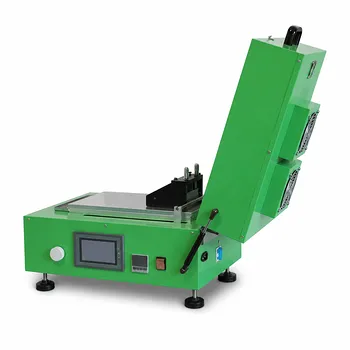
Benchtop Slot Die Flat Plate Coater Battery Laboratory Coating Machine
Precision benchtop slot die flat plate coater and battery laboratory coating machine delivers uniform films, sealed syringe feeding, vacuum fixation, adjustable speed, controlled heating, and repeatable electrode coating for advanced research lithium ion solar polymer and OLED materials research.
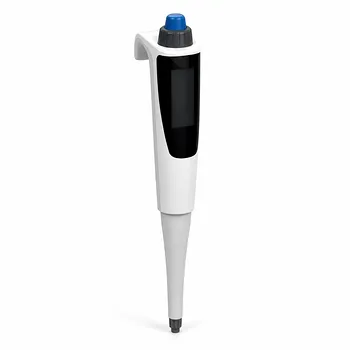
Single Channel Adjustable Electronic Micropipette
Rechargeable single channel electronic micropipette with adjustable volume, ergonomic lightweight design, LCD operation, variable aspiration and dispensing speeds, and high accuracy for consistent laboratory liquid handling across battery research, materials science, analytical testing, and routine sample preparation workflows.