All Questions
How Does A Hydraulic Press Utilize Pascal's Law To Amplify Force? Unlock Efficient Force Multiplication
Learn how hydraulic presses use Pascal's Law for force amplification, with examples of pressure, force, and area trade-offs for lab applications.
What Are The Different Pellet Pressing Options For Xrf Sample Preparation? Choose The Best Method For Accurate Analysis
Explore XRF pellet pressing techniques: neat, binder, or support cup methods with manual, hydraulic, or automated presses for reliable results.
What Are The Benefits Of Pressing Samples Into Pellets For Xrf Analysis? Boost Accuracy And Reproducibility
Learn how pressed pellets enhance XRF analysis with uniform density, better signal intensity, and reliable results for accurate quantitative data.
What Are The Benefits Of Reduced Physical Effort And Space Requirements In Hydraulic Mini Presses? Boost Lab Efficiency And Flexibility
Discover how hydraulic mini presses reduce operator fatigue, ensure consistent sample prep, and save space in labs. Ideal for FTIR, KBr pellets, and mobile settings.
What Factors Should Be Considered When Selecting A Lab Press? Ensure Precision And Efficiency In Your Laboratory
Learn key factors like force, temperature control, size, and automation for choosing the right lab press to enhance accuracy and workflow.
What Are Some Typical Specifications Of Compact Laboratory Presses? Discover Key Specs For Your Lab Needs
Learn about compact lab press specs like force (2-40 tons), platen size (4-6 inches), and footprint for efficient benchtop applications.
What Are The Key Features Of Lab Presses? Unlock Precision Force And Heat Control For Your Lab
Explore lab press features like hydraulic force, heated platens, and automated controls for reliable material testing and sample preparation.
How Do Hydraulic Presses Contribute To Repeatability And Reliability In Testing? Ensure Consistent Results For Your Lab
Learn how hydraulic presses deliver precise force control for repeatable testing, enhancing reliability in material analysis and quality control.
What Role Does The Hydraulic Cylinder Play In A Laboratory Press? Delivering Precision Force For Superior Results
Explore how hydraulic cylinders provide uniform pressure and precise control in lab presses, essential for sample prep and material testing.
What Is Metal Mold Pressing And How Does It Differ From Cip? Choose The Right Method For Your Lab Needs
Compare metal mold pressing and CIP for powder compaction. Learn key differences in density, geometry, and speed to optimize your lab processes.
What Is The Overall Significance Of Hydraulic Presses In Industrial And Laboratory Settings? Unlock Precision And Power For Your Applications
Explore how hydraulic presses amplify force for industrial shaping and lab sample prep, ensuring precision, durability, and efficiency in various applications.
What Makes Hydraulic Presses Versatile And Efficient? Unlock Precise Force Control For Any Task
Discover how hydraulic presses deliver precise force control, consistent pressure, and adaptability for industrial and lab applications, boosting efficiency and versatility.
Why Are Hydraulic Presses Essential For Sample Preparation In Analysis? Ensure Accurate And Reliable Results
Learn how hydraulic presses create uniform samples for precise analysis in spectroscopy and composition, improving data accuracy and consistency.
What Critical Components Are Produced Using Hydraulic Presses? Discover Precision Manufacturing For High-Strength Parts
Learn how hydraulic presses forge turbine blades, engine parts, and medical implants with controlled force for reliability in aerospace and automotive industries.
What Role Do Hydraulic Presses Play In The Manufacturing Of Advanced Materials? Unlock Precision And Power For Superior Results
Explore how hydraulic presses enable precise force control for shaping, compacting, and bonding advanced materials in aerospace, automotive, and medical industries.
What Is A Common Laboratory Use Of Hydraulic Presses? Boost Accuracy In Spectroscopy And Material Testing
Learn how hydraulic presses prepare uniform samples for FTIR and XRF spectroscopy, ensuring precise analytical results in laboratory settings.
How Are Hydraulic Presses Used In Laboratory Settings? Boost Precision In Sample Prep And Materials Testing
Learn how hydraulic presses ensure uniform sample pellets for FTIR/XRF analysis and test material strength for quality control in labs.
What Are Some Specialized Applications Of Hydraulic Pellet Presses? Enhance Precision In Catalyst And Battery Material Development
Explore how hydraulic pellet presses ensure precise sample preparation for XRF, FTIR, and advanced materials research in labs.
How Are Hydraulic Pellet Presses Used In Educational And Industrial Settings? Boost Efficiency In Labs And Workshops
Learn how hydraulic pellet presses create uniform samples for spectroscopy, material testing, and education, enhancing accuracy and productivity.
What Factors Determine The Choice Of Hydraulic Press For A Laboratory? Optimize Your Lab's Efficiency And Precision
Learn key factors like force capacity, precision, and manual vs. powered options to choose the right hydraulic press for your lab applications.
How Does A Hydraulic Press Work According To Pascal's Law? Unlock Force Multiplication Secrets
Learn how hydraulic presses use Pascal's law for force multiplication, with incompressible fluids and piston systems explained for lab applications.
What Types Of Materials Can Be Processed Using A Laboratory Press? Explore Versatile Material Processing Solutions
Learn how a laboratory press handles powders, polymers, metals, and composites with cold or hot pressing for precise material transformation and sample preparation.
What Pressure Range Can Laboratory Hydraulic Presses Typically Generate? Find The Right Force For Your Lab Needs
Learn about lab hydraulic press force ranges (2-40 tonnes) and how to choose based on applications like sample prep and materials testing for accurate results.
What Factors Determine The Required Tonnage For A Hydraulic Press? Optimize Force For Safety And Efficiency
Learn key factors like material strength and operation type to calculate hydraulic press tonnage accurately, ensuring safety and cost-effectiveness.
What Is The Typical Load Range For Laboratory Hydraulic Presses? Find The Perfect Fit For Your Lab Needs
Discover the 2-40 tonne load range for lab hydraulic presses, ideal for sample prep, materials testing, and prototyping in research and QC.
What Are The Maintenance Advantages Of The All-In-One Hydraulic Press Design? Boost Reliability With Reduced Upkeep
Learn how all-in-one hydraulic press designs minimize maintenance through contamination protection, fewer leak points, and physical shielding for labs.
Why Is It Recommended To Use A Smaller Press For Pellets Under 8 Mm Diameter? Achieve Precise Control For Consistent Results
Learn why small presses ensure accurate pressure control for pellets under 8 mm, preventing sample inconsistency and equipment damage in labs.
What Are The Benefits Of High Compact Densities Achieved Through Isostatic Pressing? Achieve Superior Strength And Uniformity
Discover how isostatic pressing delivers high, uniform density for enhanced mechanical properties, reduced defects, and reliable performance in critical applications.
What Role Does The Power System Play In A Hydraulic Press? Driving Force And Efficiency Explained
Learn how the power system in a hydraulic press converts energy for force multiplication, enabling precise control and high efficiency in lab applications.
What Is The Function Of The Mainframe In A Hydraulic Press? Essential For Stability And Precision
Learn how the mainframe in a hydraulic press ensures structural integrity, safety, and precision in high-force applications for reliable performance.
What Are The Three Main Components Of A Hydraulic Press? Unlock Force Multiplication For Your Lab
Learn the core parts of a hydraulic press: hydraulic cylinder, pump, and fluid, and how they enable precise force control in lab applications.
How Does A Hydraulic Press Achieve Force Multiplication? Harness Pascal's Law For Immense Power
Learn how hydraulic presses use Pascal's Law to multiply force via fluid pressure, enabling efficient crushing, pressing, and lifting in industrial applications.
What Are The Advantages Of Using Lab Pellet Presses In Terms Of Durability And Construction? Ensure Long-Lasting, Reliable Sample Prep
Discover how durable lab pellet presses with high-tensile steel and robust hydraulics enhance longevity, repeatability, and reduce downtime in laboratory settings.
How Do Benchtop Presses Differ From Hydraulic Mini Presses? Choose The Right Lab Press For Your Needs
Learn key differences between benchtop and hydraulic mini presses, including power, versatility, and applications for lab efficiency.
What Are The Key Features And Advantages Of Hydraulic Mini Presses? Compact, Precise, And Portable For Lab Efficiency
Discover hydraulic mini presses: compact, up to 2-ton force, precise pressure control, and portable. Ideal for FTIR sample prep, polymer testing, and space-saving labs.
How Customizable Are Hydraulic Presses? Tailor Your Press For Precision And Performance
Discover the high customizability of hydraulic presses, from operational tweaks to engineered designs for labs and industries. Optimize force, size, and temperature.
What Makes Hydraulic Press Strokes Advantageous? Achieve Full Force Control For Precision And Versatility
Discover how hydraulic press strokes deliver consistent force for precision forming, deep drawing, and versatile lab applications with real-time control.
What Are The Key Benefits Of Using Hydraulic Presses? Unlock Precision, Power, And Versatility
Discover the advantages of hydraulic presses: immense force, precise control, and versatility for industrial and lab applications.
What Are The Key Features Of A Kbr Pellet Press? Ensure High-Quality Ftir Sample Preparation
Discover essential KBr press features like hydraulic systems and pressure gauges for transparent pellets, enhancing FTIR spectroscopy accuracy and reproducibility.
What Is The Primary Use Of A Kbr Pellet Press In Laboratory Settings? Master Solid Sample Prep For Ftir Analysis
Learn how a KBr pellet press prepares solid samples for FTIR spectroscopy, enabling accurate chemical analysis with high reproducibility and cost-effectiveness.
What Are Emerging Trends In Laboratory Press Pellet Technology? Boost Efficiency And Precision In Sample Prep
Explore automation, modular designs, and advanced materials in lab press trends for improved throughput, consistency, and durability in analytical workflows.
How Do Pressed Pellets Compare To Other Sample Preparation Methods For Xrf Analysis? Boost Accuracy And Efficiency In Your Lab
Explore pressed pellets for XRF analysis: superior accuracy over powders, cost-effective vs. fused beads, and tips for optimal sample preparation.
What Are The Features Of Manual Hydraulic Presses? Key Benefits For Lab Efficiency
Explore manual hydraulic press features: hand-operated force, up to 25-ton capacity, and interchangeable dies for precise sample prep in labs.
What Are The Different Types Of Hydraulic Presses Available? Find The Perfect Press For Your Lab Or Industry
Explore manual vs. powered, benchtop vs. floor-standing hydraulic presses for labs and industry. Learn key differences and selection tips.
What Is Tension Testing And How Are Hydraulic Presses Used In It? Uncover Material Strength For Safer Designs
Learn how tension testing with hydraulic systems measures material strength and ductility for quality assurance in engineering and manufacturing.
How Are Pellets Created Using Milled Or Finely Ground Samples In Spectroscopic Techniques? Boost Accuracy With Proper Pelletizing
Learn how to create uniform pellets from ground samples for precise spectroscopic analysis, ensuring accurate results in XRF and other techniques.
What Role Does A Hydraulic Press Play In Ftir Spectroscopy? Transform Solids Into Clear Kbr Pellets For Accurate Analysis
Learn how hydraulic presses prepare KBr pellets in FTIR spectroscopy to eliminate light scattering and ensure precise molecular analysis of solid samples.
How Does A Hydraulic Press Apply Pascal's Law? Amplify Force With Fluid Power
Learn how hydraulic presses use Pascal's Law to multiply force for lab applications, offering efficient and precise pressure control in experiments.
What Are The Key Trends Driving The Evolution Of Laboratory Press Technology? Discover How Automation And Digital Integration Transform Labs
Explore key trends in lab press tech: automation, digital integration, material advancements, and modular designs for enhanced efficiency and precision.
What Are The Advantages Of Hydraulic Mini Presses? Maximize Power And Precision In Your Lab
Discover the key benefits of hydraulic mini presses: high force, compact design, and precise control for efficient lab operations in limited spaces.
What Is The Overall Significance Of Laboratory Presses In Industrial Operations? Boost Efficiency And Quality In Your Lab
Discover how lab presses enhance R&D, quality control, and lean manufacturing with precise force and heat for material testing and prototyping.
Why Is Selecting The Right Hydraulic Press Important For Laboratory Applications? Ensure Accuracy And Reliability In Your Lab
Learn how choosing the correct hydraulic press boosts precision, repeatability, and efficiency in lab tasks like sample prep and materials testing.
What Factors Should Be Considered When Choosing A Laboratory Press? Ensure Precision And Efficiency For Your Lab
Learn key factors for selecting a lab press, including force, temperature control, and automation, to match your specific research and testing needs.
What Are The Differences Between Electric And Manual Hydraulic Presses? Choose The Right Press For Your Lab Needs
Compare electric vs. manual hydraulic presses for precision, speed, and cost. Find the best fit for your laboratory applications.
What Materials Are Commonly Tested And Compacted Using Laboratory Hydraulic Presses? Discover Key Applications For Powders, Polymers, And More
Learn how lab hydraulic presses test and compact powders, polymers, ceramics, and metals for reliable sample preparation and material analysis.
Why Are Laboratory Presses Essential For High-Demand Industrial Research? Boost R&D Speed And Precision
Discover how lab presses accelerate material testing, eliminate bottlenecks, and ensure data integrity in industrial R&D for faster innovation.
What Makes Laboratory Presses Durable And Consistent? Key Design And Control Insights
Learn how robust frames, hydraulic systems, and precision controls ensure durable, consistent lab press performance for reliable results.
What Is Included In The Installation Process Of A Laboratory Press? Ensure A Safe And Efficient Setup For Your Lab
Learn the key steps in laboratory press installation, from site prep to safety checks, for reliable and precise operation in your lab environment.
Related Products
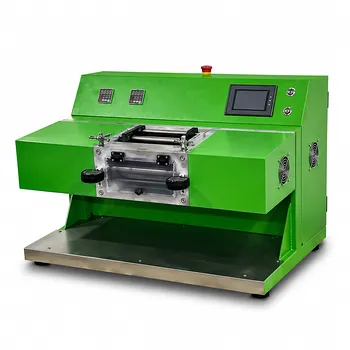
Integrated Dual Servo Heated Horizontal Two Roll Mill for Battery Electrode Calendering
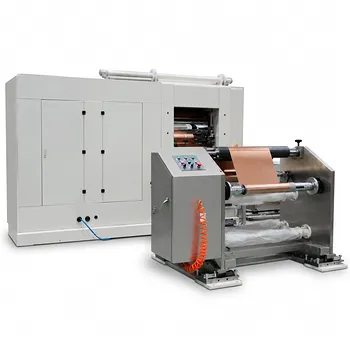
High Precision Lithium Battery Electrode Sheet Calendering Machine
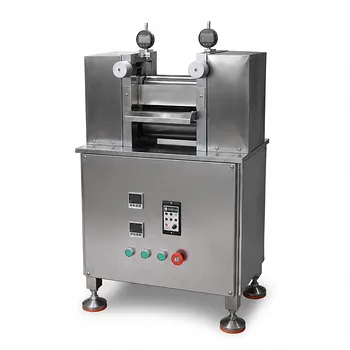
100 x 200 mm Laboratory Heated Roller Press Battery Electrode Sheet Calendering Machine
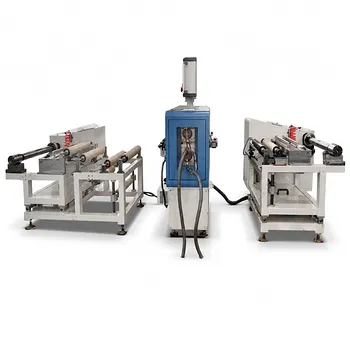
210 330mm Hydraulic Battery Electrode Calendaring Machine Heated Roller Press
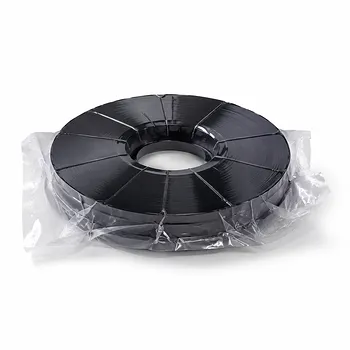
Positive Electrode Yellow Tab Tape 0.1mm Thickness Customizable Width for Lithium Battery Tab Sealing