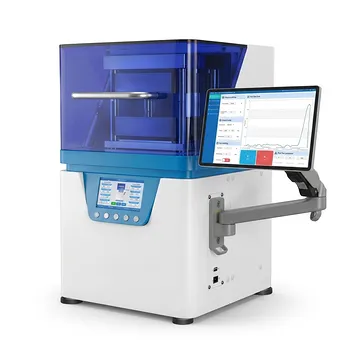
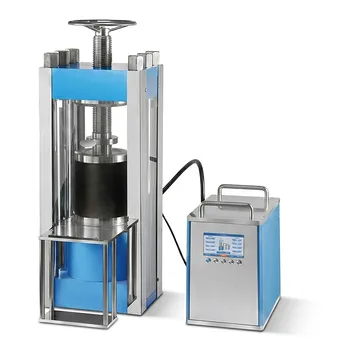
Thermal densification via hot pressing represents a fundamental shift from subtractive to additive-style surface modification. Unlike sanding, which removes material and creates hazardous dust, hot pressing uses synchronized heat and pressure to compact the wood’s surface layer. This process preserves the wood's volume, reduces varnish consumption by approximately 50%, and significantly enhances both surface hardness and color stability during aging.
Hot pressing replaces the destructive nature of sanding with a precision-controlled process that plasticizes wood cell walls. This creates a high-density surface that is more durable, cheaper to coat, and environmentally superior to traditional abrasive methods.
Eliminating Subtractive Waste and Pollution
Prevention of Material Loss
Traditional sanding inherently removes the topmost layer of wood to achieve smoothness, which wastes raw material. Hot pressing is a non-subtractive physical modification that densifies the existing fibers rather than discarding them.
Elimination of Dust Pollution
Sanding generates fine particulate matter that requires expensive extraction systems and poses respiratory risks to workers. Thermal densification is a clean process that eliminates dust production entirely, simplifying workshop safety and environmental compliance.
Superior Surface Compactness
The mechanical pressure applied during hot pressing collapses the cell cavities near the surface. This creates a dense, "compressed" skin that is far more resistant to impact and wear than the exposed, open-grain surface left behind by a sander.
Enhancing Material Performance and Coating Efficiency
Dramatic Reduction in Varnish Consumption
Because the hot-pressed surface is highly compact and less porous, it absorbs significantly less liquid. This leads to an approximate 50% reduction in the amount of varnish or coating required to achieve a high-quality finish.
Long-Term Color Stability
Wood surfaces treated with thermal densification demonstrate enhanced resistance to UV and artificial aging. This means the finished product retains its intended aesthetic for a longer period compared to sanded wood, which remains more reactive to environmental factors.
Cell Wall Plasticization
The high temperatures used in the press facilitate the plasticization of the wood's lignin and hemicellulose. This chemical softening allows the cell walls to reorganize into a denser structure without fracturing, ensuring the structural integrity of the densified layer.
Operational Advantages and Technical Precision
Efficiency Through Combined Variables
Hot pressing improves production throughput by combining heat and pressure into a single, rapid cycle. This synchronization reduces the multi-step nature of traditional surface preparation, allowing for faster processing of large volumes.
Precision and IT Integration
Modern hot presses can be integrated with IT systems for precise control over temperature uniformity and pressure cycles. This ensures consistent densification depth across the entire workpiece, a level of repeatability that is difficult to achieve with manual or mechanical sanding.
Energy and Cost-Effectiveness
While the initial equipment investment is lower than specialized methods like isostatic pressing, it remains energy-efficient by limiting longitudinal heat flow. It is also highly versatile, capable of processing large-diameter materials that might be cumbersome for high-speed sanding lines.
Understanding the Trade-offs
Equipment Investment vs. Sanding Belts
The primary hurdle is the higher initial capital expenditure required for a precision hot press compared to basic sanding equipment. However, this is usually offset over time by the drastic reduction in varnish costs and the elimination of sanding belt consumables.
Depth Control and Material Sensitivity
Precise control is required because the depth of the densified layer is determined by the exact temperature and pressure applied. Excessive heat can cause surface scorching or brittle cell walls if the moisture content and species-specific settings are not calibrated correctly.
Geometric Limitations
Hot pressing is exceptionally effective for flat surfaces and large panels, but it lacks the flexibility of sanding for intricate, three-dimensional carvings or complex profiles. High-pressure plates require direct contact, making them best suited for flat or slightly contoured workpieces.
How to Apply This to Your Project
Deciding between thermal densification and traditional sanding depends on your specific production goals and the final application of the wood product.
- If your primary focus is reducing finishing costs: Hot pressing is the superior choice, as the 50% reduction in varnish consumption provides immediate and significant per-unit savings.
- If your primary focus is environmental compliance: Transitioning to hot pressing allows you to eliminate dust collection infrastructure and reduce the VOC emissions associated with heavy varnish application.
- If your primary focus is high-traffic durability: Utilize hot pressing to increase surface hardness, creating a compressed layer that resists dents and scratches better than sanded surfaces.
- If your primary focus is intricate geometry: Continue to use specialized sanding or abrasive methods, as hot pressing is technically limited to flat or low-profile surfaces.
By moving from a subtractive to a densification-based mindset, manufacturers can achieve a higher-quality finish while simultaneously reducing waste and operational costs.
Summary Table:
| Feature | Thermal Densification (Hot Pressing) | Traditional Sanding |
|---|---|---|
| Process Type | Additive/Compactive (Preserves volume) | Subtractive (Material loss) |
| Environmental Impact | Dust-free & clean operation | Generates hazardous fine particulates |
| Coating Efficiency | Reduces varnish consumption by ~50% | High absorption due to open grain |
| Surface Quality | Increased hardness & color stability | Standard hardness; prone to aging |
| Operational Goal | Precision surface modification | Basic smoothing and leveling |
Elevate Your Material Processing with KINTEK’s Precision Pressing Solutions
Whether you are refining wood surface treatments or pioneering advanced material science, KINTEK provides the cutting-edge technology required for superior results. We specialize in comprehensive laboratory pressing solutions tailored to your specific research and production needs.
Our Versatile Equipment Range Includes:
- Manual & Automatic Heated Presses: Perfect for precise thermal densification and material plasticization.
- Multifunctional & Glovebox-Compatible Models: Ideal for sensitive environments and complex workflows.
- Cold & Warm Isostatic Presses: Advanced solutions widely applied in high-performance battery research and ceramics.
Why Choose KINTEK? By partnering with us, you gain access to equipment that ensures maximum surface integrity, eliminates wasteful subtractive processes, and enhances long-term product durability. Our systems are designed for IT integration, providing the repeatability and precision your projects demand.
Ready to transform your laboratory efficiency? Contact our experts today to find your ideal pressing solution!
References
- Pavlo Bekhta, Nataliya Bekhta. The Impact of Sanding and Thermal Compression of Wood, Varnish Type and Artificial Aging in Indoor Conditions on the Varnished Surface Color. DOI: 10.3390/f13020300
This article is also based on technical information from Kintek Solution Knowledge Base .
Related Products
- Automatic Hydraulic Hot Press with Large Plate and Precision Temperature Control for Advanced Material Sample Preparation and Industrial Research
- Automatic High Temperature Heated Hydraulic Press Machine with Heated Plates for Lab
- Heated Hydraulic Press Machine with Heated Plates for Vacuum Box Laboratory Hot Press
- Automatic Heated Hydraulic Press Machine with Hot Plates for Laboratory
- Heated Hydraulic Press Machine With Heated Plates For Vacuum Box Laboratory Hot Press
People Also Ask
- What are the specific features and applications of hydraulic hot press machines? Precision Solutions for Modern Labs
- How does an automatic hydraulic press operate? Achieve Precision and Consistency in Lab Pelleting
- What are the advantages and common applications of an automatic hydraulic press? Elevate Your Lab's Precision
- What is the technical significance of setting a precise dwell time? Achieve Peak Material Density and Stability
- When is an automatic hydraulic press more suitable than a manual press? Scale Your Lab with Precision & Speed