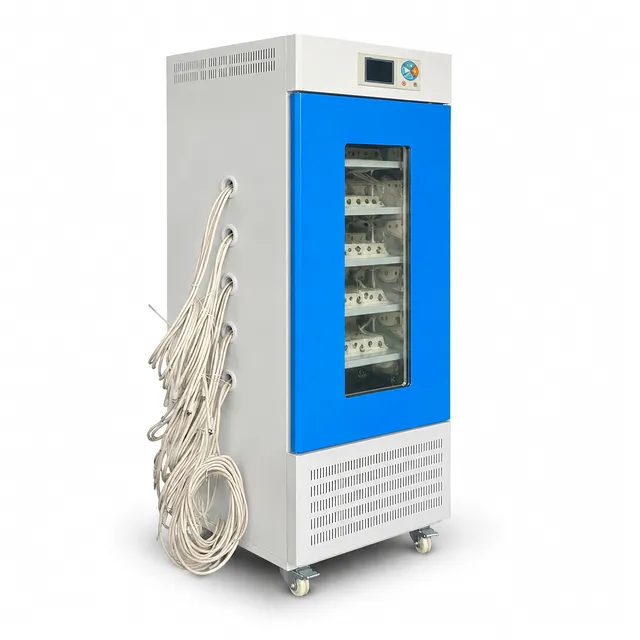
Battery Testing Equipment
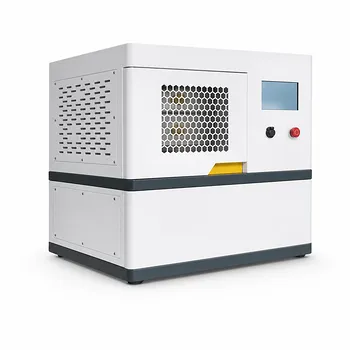
Battery Constant Temperature Testing System
Item Number : DC14
Price varies based on specs and customizations
- Nominal Volume
- 162 L
- Temperature Range
- 0°C to +60°C
- Temperature Uniformity
- ≤±1°C

Shipping:
Contact us to get shipping details Enjoy On-time Dispatch Guarantee.
Why Choose Us
Easy ordering process, quality products, and dedicated support for your business success.
Product Overview
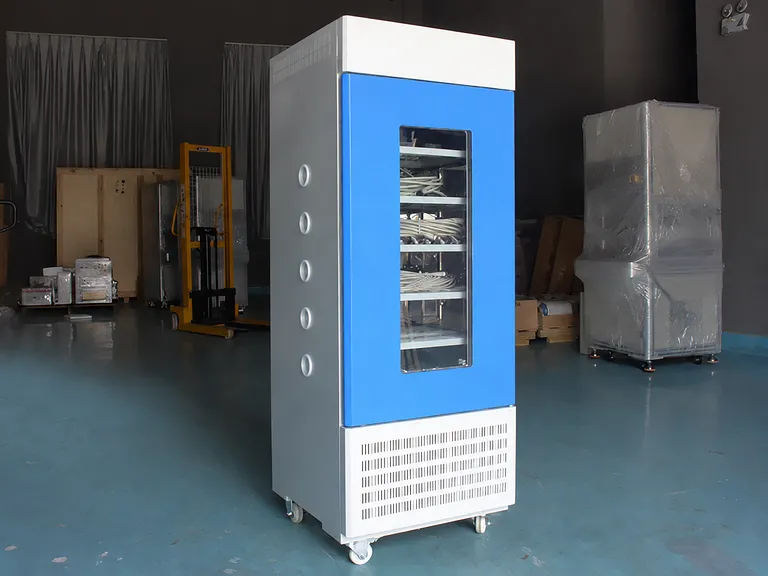
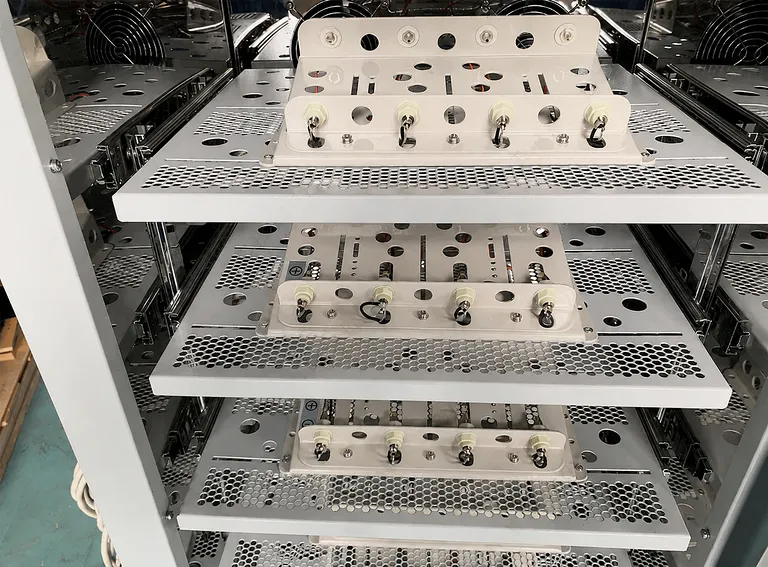
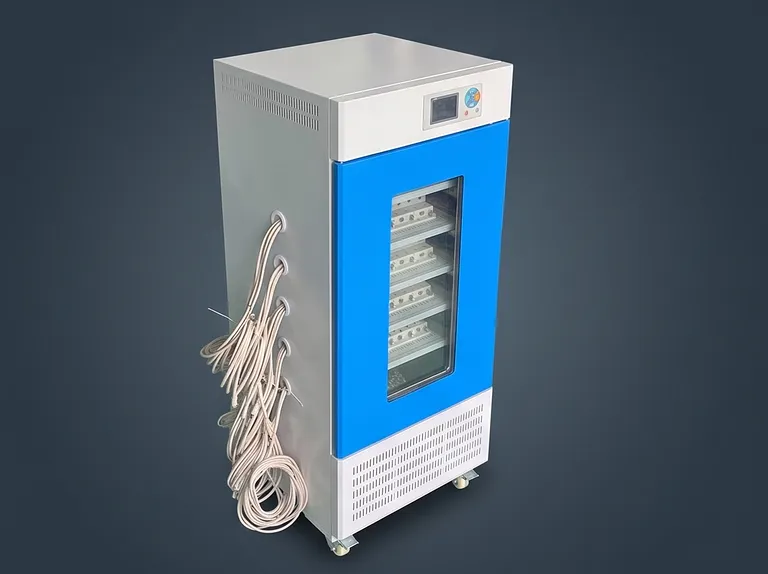
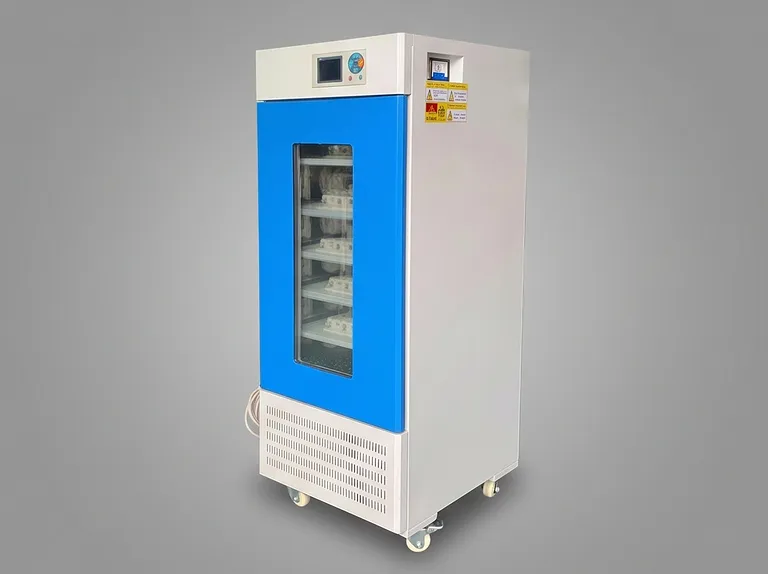
This battery constant temperature testing system is designed to evaluate battery performance during charge and discharge under controlled, normal-use environmental conditions. Its 162 L chamber provides stable temperature control from 0°C to +60°C, enabling laboratories and production teams to generate repeatable test data across common cell formats.
The equipment supports coin cells, polymer pouch cells, prismatic cells, and cylindrical cells. It is suitable for battery research, manufacturing inspection, terminal product evaluation, and quality testing across energy technology, electronics, communications, vehicles, medical products, aerospace, chemicals, metals, plastics, food, and construction materials.
A stainless steel chamber, forced-air circulation, multi-layer sample rack, programmable controller, and integrated safety protections support reliable operation in demanding laboratory and industrial environments. Temperature uniformity, deviation, ramp performance, and protective functions are specified for controlled and reproducible testing.
Key Features
-
Stable Temperature Range: The unit operates from 0°C to +60°C, covering common ambient and elevated-temperature battery evaluation conditions without requiring a broader, less focused operating range.
-
Controlled Temperature Accuracy: Temperature fluctuation is ≤0.5°C, temperature deviation is ±1°C, and temperature uniformity is ≤±1°C. These characteristics help minimize environmental variation during comparative cell testing.
-
Versatile Cell Compatibility: The chamber accommodates coin batteries, polymer pouch batteries, prismatic batteries, and cylindrical batteries, supporting flexible test planning across multiple cell geometries.
-
Efficient Thermal Response: The average heating rate is 3°C/min, while the average cooling rate is 0.5°C/min. The control system automatically adjusts cooling operation to maintain an energy-efficient operating condition.
-
Forced Convection Airflow: A multi-wing centrifugal circulation fan uses aluminum-alloy rotating blades designed for high- and low-temperature operation. FLOW THROW airflow creates horizontal diffusion and vertical heat exchange for effective chamber circulation.
-
Durable Stainless Steel Construction: The exterior uses high-quality matte stainless steel, while the interior uses high-quality mirror stainless steel. This combination provides a robust, cleanable enclosure for repeated testing work.
-
Practical Sample Capacity: Five stainless steel sample-tray levels with five pairs of guide rails provide distributed loading of 10 kg per level. The total accumulated sample load inside the chamber must not exceed 80 kg.
-
Integrated Test Visibility: A transparent electrically heated hollow tempered-glass observation window, interior lighting, and five 45 mm diameter cable ports allow users to monitor samples and connect external measurement equipment.
-
Programmable Operation: The controller supports program and constant-value modes, with a Chinese menu, 0.1°C temperature resolution, one program, one segment, and unlimited cycling capability.
-
Layered Safety Protection: Compressor overheat, overcurrent, and overpressure protection; condenser-fan overheat protection; adjustable chamber overtemperature protection; motor overheat protection; overload protection; and short-circuit protection help protect both equipment and test work.
Applications
| Application | Description | Key Benefit |
|---|---|---|
| Battery Research and Development | Evaluate charge and discharge performance of coin, pouch, prismatic, and cylindrical cells under controlled temperatures during cell chemistry and design development. | Produces comparable environmental test data across development batches and cell formats. |
| Battery Manufacturing Inspection | Apply controlled-temperature screening to verify battery performance and identify process variation during production quality control. | Supports repeatable inspection workflows with defined temperature limits and stable chamber conditions. |
| Consumer Electronics and Electrical Products | Test batteries and related components used in electronics, electrical appliances, communications equipment, and instrumentation. | Helps assess performance consistency under representative operating temperatures. |
| Vehicle and Energy Technology Testing | Provide controlled thermal conditions for battery-related evaluation in vehicle, energy technology, and storage applications. | Supports structured performance comparison before system integration or product release. |
| Materials and Industrial Product Quality Testing | Test plastics, metals, chemicals, construction materials, food products, medical products, and other goods requiring controlled temperature exposure. | Extends the equipment beyond battery work for general product quality and environmental testing. |
| Aerospace and Defense Environmental Evaluation | Conduct temperature-related testing aligned with applicable environmental test methods for aerospace and defense-related products. | Provides a controlled chamber platform for standardized low- and high-temperature evaluation. |
Technical Specifications
| Parameter | Specification |
|---|---|
| Site-facing identifier | DC14 |
| Nominal volume | 162 L |
| Inner chamber dimensions W × D × H | 460 mm × 400 mm × 880 mm |
| Overall dimensions W × D × H | 570 mm × 570 mm × 1530 mm |
| Weight | 90 kg |
| Power supply | 220 V, 2 kW |
| Applicable test environment | Ambient temperature +5°C to +40°C; relative humidity ≤85%; chamber without specimens |
| Test method references | GB/T 5170.2-2008 temperature test equipment; GB/T 5170.5-2008 damp-heat test equipment |
| Temperature range | 0°C to +60°C |
| Temperature fluctuation | ≤0.5°C; when expressed according to GB/T5170.2-1996, fluctuation is ≤±0.25°C |
| Temperature deviation | ±1°C |
| Temperature uniformity | ≤±1°C |
| Average heating rate | 3°C/min |
| Average cooling rate | 0.5°C/min |
| Load condition for stated test performance | Load not exceeding 35 kg/m³ based on steel heat capacity; no active damp or heat load during damp-heat testing |
| Insulation exterior material | High-quality matte stainless steel plate |
| Insulation interior material | High-quality mirror stainless steel plate |
| Door-seal temperature range and service life | -100°C to +300°C; service life 10 years |
| Chamber insulation material | Glass fiber (as specified in the reference material) |
| Air circulation fan | Multi-wing centrifugal circulation fan with aluminum-alloy rotating blades for high- and low-temperature operation |
| Airflow method | FLOW THROW; horizontal diffusion and vertical heat-exchange arc circulation |
| Observation window | One transparent electrically heated hollow tempered-glass window located on the door |
| Cable ports | Five ports, φ45 mm, located on the left side of the chamber |
| Interior lighting | High-efficiency, long-life energy-saving lamp |
| Casters | Four mobile casters |
| Sample rack | Stainless steel sample-tray rack, five levels, five pairs of guide rails |
| Rack distributed load | 10 kg per level |
| Maximum total sample load | 80 kg maximum accumulated load inside the chamber |
| Door configuration | Single-opening hinged door; right-side hinge when facing the chamber; includes observation window and lighting |
| Control panel | Controller display, power switch, and status indicator lights |
| Mechanical compartment | Refrigeration unit and drain hole; condenser fan and condenser air inlet |
| Electrical control cabinet | Integrated circuit board, air circuit breaker, and push-button switch |
| Heater type | Nickel-chromium alloy resistance heating tube |
| Heater control | Non-contact periodic pulse-width modulation using SSR solid-state relay |
| Heater power | 1.4 kW |
| Power cable and drain-hole location | Lower rear side of the chamber |
| Refrigeration operating mode | Single-stage compression |
| Refrigeration compressor | Fully enclosed, low-noise rotary compressor |
| Evaporator | Finned-tube heat exchanger, also used as dehumidifier |
| Condenser | Air-cooled finned-tube heat exchanger |
| Expansion device | Expansion valve plus capillary tube |
| Plate heat exchanger | Stainless steel brazed plate heat exchanger |
| Refrigeration control | The control system automatically adjusts compressor operation for an optimal energy-saving condition according to test conditions |
| Evaporator cooling control | Control system drives solenoid-valve switching |
| Compressor return-gas cooling | Return-gas cooling circuit provided |
| Refrigerant | R134a; ozone depletion potential is 0. R23 is used for cascade refrigeration systems as specified in the reference material |
| Controller manufacturer and type | Shanghai Jiutu controller |
| Display | JTSH200, 5-inch display |
| Operating modes | Program mode and constant-value mode |
| Setting interface | JTSH200 Chinese menu, freely selectable, with button-screen input |
| Program capacity | JTSH200; maximum 1 program, maximum 1 segment, unlimited cycles |
| Setting range | Temperature adjusted according to the equipment temperature operating range |
| Resolution | Temperature: 0.1°C; time: 1 min; humidity: 0.1% RH for temperature-and-humidity test equipment |
| Temperature input and measurement | PT100 platinum resistance thermometer |
| Temperature control method | Anti-integral-saturation PID; BTC balanced temperature control + DCC intelligent cooling-capacity control + DEC intelligent electrical control for temperature test equipment |
| Additional control functions | Fault alarm with cause and handling prompts; power-failure protection; upper- and lower-limit temperature protection |
| Applicable low-temperature method | GB/T2423.1-2008, IEC60068-2-1:2007, low-temperature test method Ab |
| Applicable high-temperature method | GB/T2423.2-2008, IEC60068-2-2:2007, high-temperature test method Bb |
| Additional low-temperature method | GJB150.4-1986 low-temperature test |
| Additional high-temperature method | GJB150.3-1986 high-temperature test |
| Constant damp-heat method | GB/T2423.3-2006, IEC60068-2-78:2007, constant damp-heat test method Cab |
| Alternating damp-heat method | GB/T2423.4-2008, IEC60068-2-30:2005, alternating damp-heat test method Db |
| Additional damp-heat method | GJB150.9-1986 damp-heat test, Figure 1 and Figure 2 |
| Listed temperature-change and environmental references | GB/T2423.1-2008 low-temperature chamber test method; GB/T2423.22-2002 temperature-change test method; GB/T2423.2-2008 high-temperature chamber test method; IEC60068-2-2.1974 high-temperature chamber test method; IEC60068-2-1.1990 low-temperature chamber test method |
| Refrigeration safety protection | Compressor overheat, compressor overcurrent, compressor overpressure, and condenser-fan overheat protection |
| Chamber safety protection | Adjustable overtemperature protection, air-circulation-channel limit overtemperature protection, and fan-motor overheat protection |
| Electrical safety protection | Total power phase-sequence and phase-loss protection for three-phase power; overload and short-circuit protection |
| Power cable configuration | 220 V, 2 kW |
| Main power switch | CHINT residual-current protection |
| Transportation configuration | Integrated test chamber transported as a complete unit |
| Installation site requirements | Level floor, good ventilation, no strong vibration, no strong electromagnetic field, no flammable, explosive, corrosive materials or dust, and adequate operating and maintenance clearance |
| Environmental operating conditions | Temperature: 5°C to 40°C; relative humidity: ≤85%; atmospheric pressure: 86 kPa to 106 kPa |
| Prohibited specimens | Corrosive substances; specimens with strong electromagnetic emissions; radioactive substances; highly toxic substances; and specimens that may explode or volatilize during testing or storage |
Why Choose This Product
-
Engineered for Repeatability: Defined fluctuation, deviation, uniformity, ramp rates, and PT100-based measurement provide the controlled conditions needed for dependable comparative testing.
-
Built for Long-Term Laboratory Use: Stainless steel construction, a durable insulated enclosure, a long-life high-temperature seal, and a robust circulation system support repeated operation in research and quality environments.
-
Broad Testing Utility: Compatibility with four major battery formats and suitability for electronics, vehicles, aerospace, materials, medical, chemical, and industrial product testing improve equipment utilization across departments.
-
Standards-Oriented Operation: The system references GB/T, IEC, and GJB temperature and damp-heat test methods, helping organizations structure documented and consistent environmental evaluations.
-
Practical Protection and Supportability: Automatic refrigeration control, power-failure protection, fault prompts, overtemperature safeguards, and electrical protection help reduce operational risk and support stable daily workflows.
Contact KINTEK for a quotation, application review, or configuration discussion tailored to your battery testing and environmental evaluation requirements.
Trusted by Industry Leaders

REQUEST A QUOTE
Our professional team will reply to you within one business day. Please feel free to contact us!
Related Products
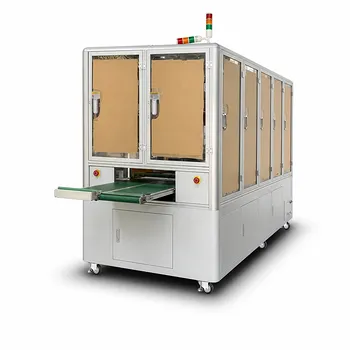
Pouch Prismatic Battery OCV DCIR Testing Machine with Barcode Scanning and Inkjet Coding
Automated pouch prismatic battery OCV and DCIR testing machine with barcode scanning, voltage resistance measurement, data traceability, and OK NG sorting for high throughput cell production across pouch cell manufacturing lines with reliable server integration
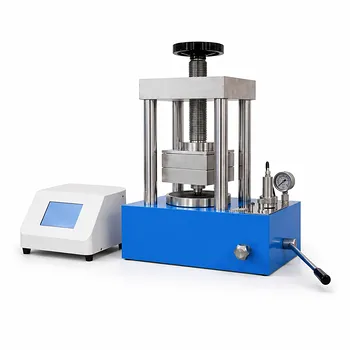
Manual Heating Press with Precision Temperature Control and Hydraulic Pressure
Discover our manual heating press with precise temperature control up to 300°C, hydraulic pressure up to 24 tons, water cooling, and touchscreen interface for consistent lab pressing applications including battery research and material testing. Request a quote today!
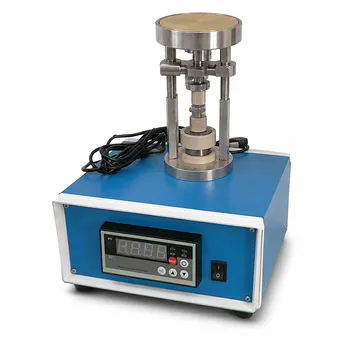
CT Testing Solid State Battery Device
CT testing solid state battery device for compact cell fixture evaluation with 2 mm inner diameter, optional display, external fixture, and 2 ton sensor integration for laboratory research workflows.
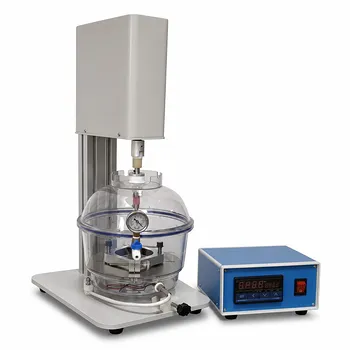
Constant Temperature Electric Heating Vacuum Mixer
Constant temperature electric heating vacuum mixer for bubble free viscous slurry processing with adjustable speed precise heating transparent vacuum vessel and reliable laboratory performance in pharmaceutical adhesive fragrance cosmetic coating pigment additive electronic and new energy research applications
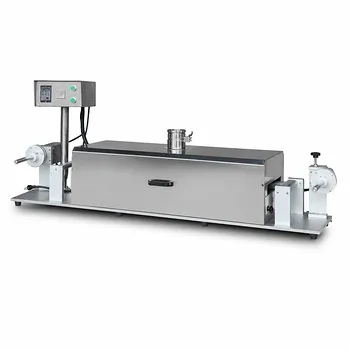
Desktop Continuous Film Coating Testing Machine for 18650 Cylindrical Batteries
Desktop continuous coating machine for lithium battery electrodes 18650 cylindrical cell research ceramic films crystal films and nanofilms offering adjustable coating width precise thickness control automatic rewinding and independent PID oven temperature regulation for university laboratories and small scale production
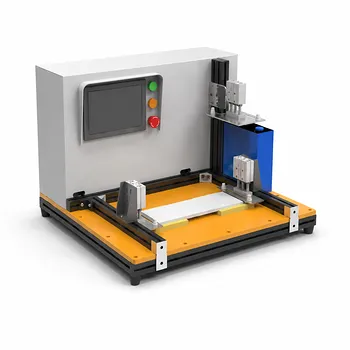
Prismatic Battery Automatic Testing and Sorting Equipment
Prismatic battery automatic testing and sorting equipment measures open circuit voltage and AC internal resistance, automatically pairs up to eight grades, supports traceable database management, and processes approximately 600 cells per hour for consistent pack quality in lithium battery production.
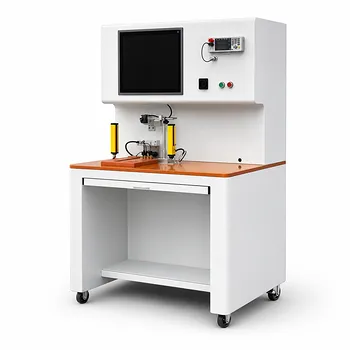
Manual OCV Multifunction Test Sorting Machine
Manual OCV multifunction test sorting machine for pouch lithium ion prismatic cells combines voltage and internal resistance grading data binding database storage and operator guided handling for controlled battery production inspection with computer display and configurable audible grade notification.
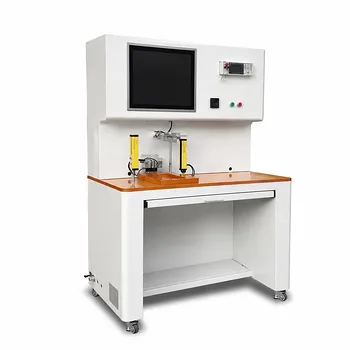
Manual Multifunctional OCV Sorting Machine for Pouch Lithium Ion Cells
Manual multifunctional OCV sorting machine for pouch lithium ion cells, combining voltage and internal resistance testing, data binding, software grading, voice notification, and flexible cell compatibility.
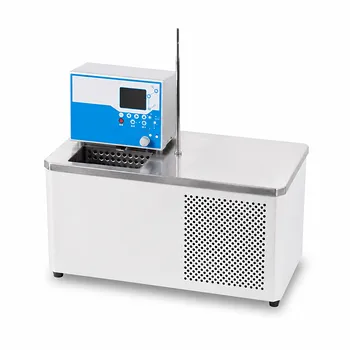
Constant Temperature Magnetic Stirring Reaction Bath Magnetic Stirrer
Constant temperature magnetic stirring reaction bath with 0 to 100°C control 0.01°C resolution programmable safety protection fast cooling external circulation and adjustable magnetic stirring for laboratories materials research and process development battery chemistry powder processing ceramics and controlled thermal experiments
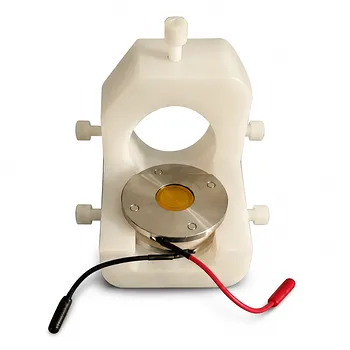
Aqueous Battery Testing Fixture for Laboratory Cell Evaluation
Aqueous battery testing fixture for cells up to 20 mm internal diameter and 4 mm thickness, featuring a 50 mm diameter clamp, PI film window, PEEK insulation, and high-purity titanium metal components for adaptable laboratory evaluation of aqueous battery performance.
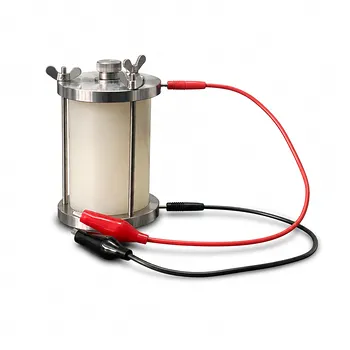
4680 Cylindrical Battery Detachable Split Test Kit
Detachable split test kit for 4680 cylindrical battery research with corrosion resistant sealing, stainless steel end caps, PTFE insulation, and secure spring loaded cell fastening for repeatable laboratory testing and flexible advanced materials workflows
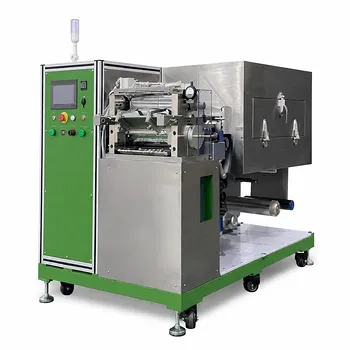
Continuous Intermittent Battery Laboratory Coating Machine
Continuous intermittent battery laboratory coating machine combines stable web tension correction precision comma blade metering three roll transfer coating and dual sided hot air drying for dependable electrode process development with PLC touch screen operation and optional solvent recovery handling.
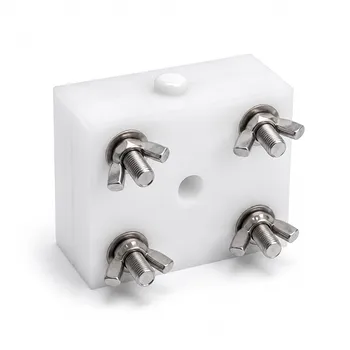
Rechargeable Zinc Air Electrolytic Cell Zinc Air Cycling Test Device Metal Fuel Cell Reactor
Rechargeable zinc air electrolytic cell cycling test device with modular PP reactor, 1 to 4.5 cm² reaction areas, circulating electrolyte, forced oxygen supply, leak resistant sealing, and customizable gas connections for metal fuel cell research and advanced materials laboratories.
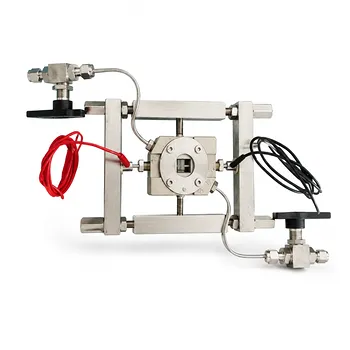
Optical Testing Solid State Battery Device for Microscopy Raman and Infrared Cross Section Analysis
Optical testing solid state battery device with compact fixtures for microscope, Raman, and infrared cross section analysis, including venting configuration for advanced battery research. Supports precise laboratory characterization, flexible sample dimensions, and controlled access for materials science and cell development.
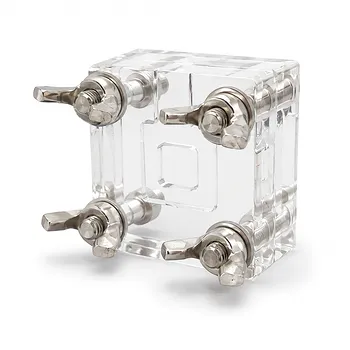
Solid State Zinc Air Battery Test Fixture Flexible Zinc Air Mold
Transparent solid state zinc air battery test fixture with flexible zinc air mold design, compact assembly, 1 to 4 cm² reaction areas, 0.2 cm electrode spacing, customizable construction, and clear observation for zinc air battery research and practical laboratory evaluation.
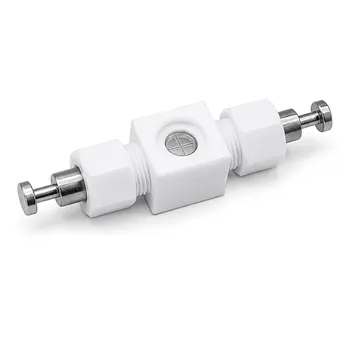
Optical Testing Cross Section Aqueous Battery Device for Microscopy Raman and Infrared Analysis
Optical testing cross section aqueous battery device for microscopy Raman infrared analysis dendrite observation and conductivity measurement in advanced battery research applications
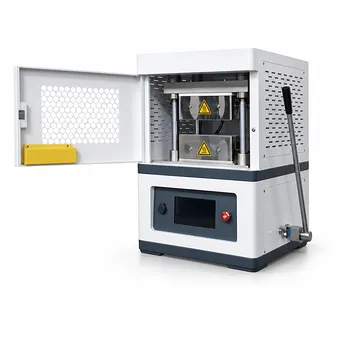
Laboratory Hydraulic Hot Press for Solid-State Battery and Polymer Electrolyte Research
Compact benchtop hydraulic hot press for solid-state battery and polymer electrolyte research with dual-zone heating, automatic pressure compensation, and active cooling system, ensuring uniform temperature up to 300°C and stable load for extended tests with CE certification and safety features.
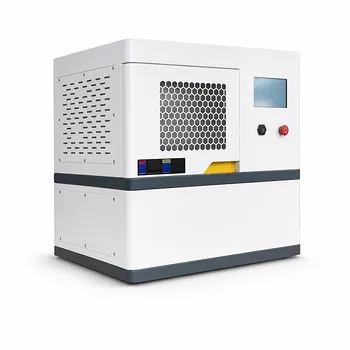
Solid State Battery Research Laboratory Hydraulic Hot Press Machine
High-precision thermal compression system for solid-state battery research with independent dual-platen heating up to 300°C, 30-ton hydraulic press, and automatic pressure compensation for precise sample fabrication. Ideal for electrolyte compaction and composite lamination. With programmable cooling and safety interlocks.
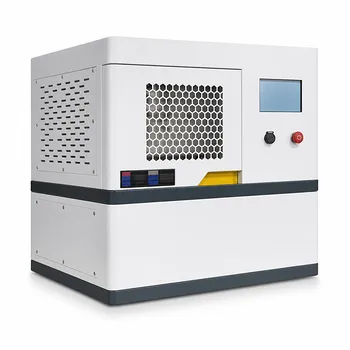
Solid-State Battery Research Laboratory Hydraulic Hot Press Machine
Designed for solid-state battery research, this laboratory hydraulic hot press features servo-driven pressurization up to 2 tons, dual-platen heating up to 300°C, programmable pressure cycles, and a 7-inch touch-screen controller for precise thermal compaction of electrolytes and electrodes.
Solid-State Battery Laboratory Electric Hot Press Machine
Compact benchtop electric hot press for solid-state battery research, polymer lamination, and MEA fabrication. Features dual-plate independent heating up to 200°C, programmable pressure up to 1800 kgf. Oil-free electric servo drive ensures clean, high-repeatability pressing, integrated water cooling.