Battery supporting materials
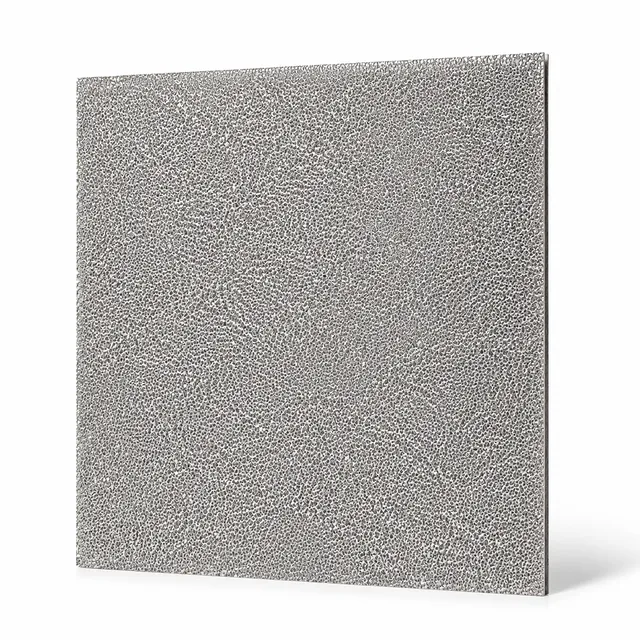
Porous Metal Foam Nickel Iron Alloy Research Electrode Material
Item Number : FZ55
Price varies based on specs and customizations
- Porosity Range
- 60% – 98%
- Pore Density (PPI)
- 5 – 130 PPI
- Through-Hole Ratio
- ≥ 98%

Shipping:
Contact us to get shipping details Enjoy On-time Dispatch Guarantee.
Why Choose Us
Easy ordering process, quality products, and dedicated support for your business success.
Product Overview
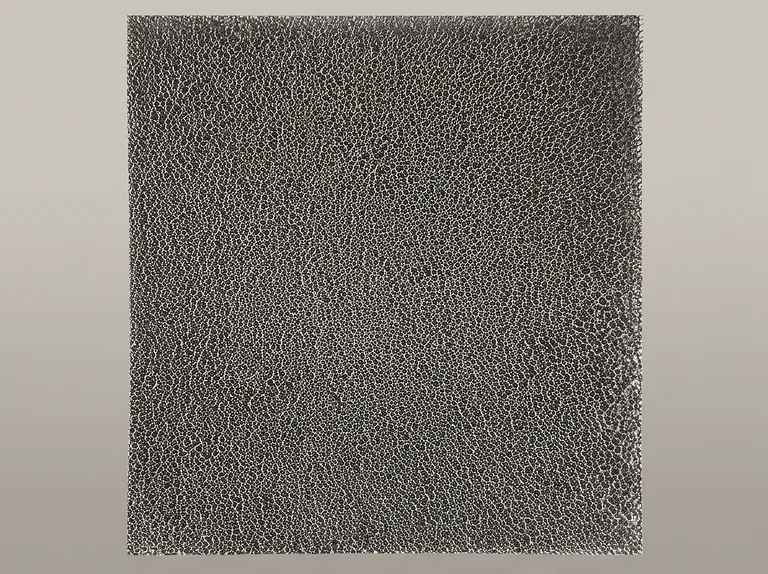
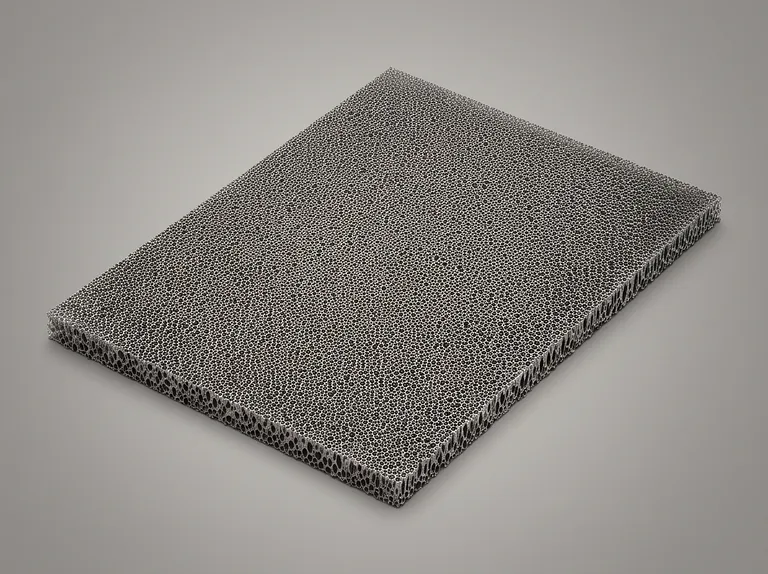
This high-purity porous metal foam serves as a premier research electrode material and multifunctional open-cell matrix engineered for electrochemistry, thermal management, and precision industrial filtration. Fabricated with an interconnected three-dimensional reticulated structure, the porous metallic substrate delivers an ultra-high through-hole ratio alongside an expansive electrochemically active surface area. Its high nickel-iron base metallurgy provides superior electrical conductivity, low interfacial contact resistance, and outstanding mechanical durability, making it an essential conductive skeleton for next-generation energy storage, catalytic synthesis, and electrode prototyping.
Designed to satisfy demanding specifications in battery R&D, chemical engineering, and power electronics, the open-cell porous matrix functions reliably across severe chemical and thermal environments. It provides uniform electrolyte permeation in secondary batteries and supercapacitors, high mass transfer kinetics in industrial distillation columns, and low pressure drop in high-velocity liquid and gas filtration systems. From academic energy laboratories exploring metal-air and nickel-zinc battery chemistries to industrial pilot plants developing advanced catalytic reactors, this versatile porous metallic substrate accelerates materials innovation.
Engineered through precision metallurgical electrodeposition and controlled thermal processing, this metallic foam exhibits remarkable structural stability, high temperature tolerance up to 500°C, and exceptional resistance to alkaline, organic, and dilute acid exposure. Its uniform pore distribution and robust three-dimensional cellular network maintain physical integrity under cyclic mechanical compression and continuous hydrodynamic flow. Procurement teams and laboratory researchers can rely on this material for predictable electrochemical performance, reproducible batch-to-batch consistency, and versatile custom tailoring across dimensions and pore densities.
Key Features
- Continuous Open-Cell Reticulated Architecture: An interconnected three-dimensional cellular network provides an open-pore through-hole ratio of 98% or higher, facilitating uniform electrolyte saturation, ultra-low flow resistance, and optimal fluid permeation across the entire metallic volume.
- High Specific Surface Area and Porosity: Engineered with porosity spanning 60% to 98% and pore densities from 5 to 130 PPI, the porous substrate maximizes active reaction sites for catalytic coatings, active material slurry loading, and electrochemical double-layer interfaces.
- High-Purity Metallurgical Composition: Manufactured with high nickel content exceeding 99% combined with iron alloy stabilization, this material guarantees superior electrical conductivity, low internal resistance, and minimal chemical leaching during continuous cycling.
- Broad Operating Temperature Resilience: Capable of continuous operational stability at temperatures up to 500°C without mechanical degradation, enabling dependable deployment in thermal catalysis, high-temperature heat exchangers, and intensive industrial separation processes.
- Exceptional Alkaline and Chemical Corrosion Resistance: The spontaneous formation of a dense, passivated surface oxide film provides robust protection against hydrochloric acid, sulfuric acid, organic acids, and aggressive alkaline solutions for extended service life.
- High Mechanical Strength and Elastic Recovery: Delivers tensile strength between 8 and 50 MPa, compressive strength of at least 250 kPa at 50% strain, and compressive yield strength exceeding 2 to 7 MPa, ensuring structural integrity during electrode calendering and winding.
- Tunable Filtration and Separation Precision: Standard pore sizing from 0.1 to 10 mm enables filtration ratings from 5 mm down to 200 µm, with custom micro-pore processing capable of achieving ultra-fine filtration thresholds between 3 and 50 µm.
- Superior Thermal and Mass Transfer Coefficients: With a thermal transfer coefficient exceeding 3 W/(m²·K), the open-cell framework functions as a high-efficiency heat dissipation core and flow distributor in compact thermal and electrochemical systems.
Applications
| Application | Description | Key Benefit |
|---|---|---|
| Secondary Battery Electrodes | Utilized as a conductive 3D current collector for nickel-metal hydride, nickel-cadmium, nickel-zinc, and advanced metal-air battery systems. | Significantly reduces cell internal resistance, boosts active material mass loading, and prevents electrode pulverization during rapid charge-discharge cycling. |
| Supercapacitors & Pseudocapacitors | Serves as a porous conductive substrate for electrodepositing transition metal oxides, conductive polymers, and carbon nanomaterials. | Offers ultra-high interfacial surface area and rapid ion diffusion channels, maximizing specific capacitance and rate performance. |
| Water Electrolysis & Hydrogen Production | Applied as gas-diffusion electrode cores and electrocatalyst supports in alkaline water electrolyzers and PEM hydrogen production systems. | Enhances hydrogen and oxygen evolution kinetics with rapid bubble detachment and exceptional long-term stability in concentrated alkaline solutions. |
| Chemical Distillation & Column Packing | Integrated as structured packing inside industrial rectification and distillation columns to optimize vapor-liquid equilibrium. | Delivers uniform liquid distribution, expansive contact surface area, and remarkably low operational pressure drops. |
| High-Efficiency Heat Dissipation | Embedded in high-power electronics, heat pipes, and compact condenser heat exchangers as a permeable convective cooling core. | Provides high thermal conductivity exceeding 3 W/(m²·K) combined with enhanced turbulent fluid mixing for accelerated heat transfer. |
| Precision Liquid & Gas Filtration | Deployed in petrochemical, pharmaceutical, and metallurgical processing to remove particulate contaminants from high-temperature or corrosive streams. | Features high liquid permeability (95% to 98%), customizable filtration ratings down to 3 µm, and easy backwash cleaning. |
| Electromagnetic Interference (EMI) Shielding | Installed in aerospace, telecommunications, and defense enclosures to attenuate high-frequency electromagnetic radiation and acoustic noise. | Provides broadband electromagnetic shielding attenuation combined with lightweight open-cell acoustic absorption and vibration damping. |
| Catalytic Converter Substrates | Acts as a high-surface-area porous metallic catalyst carrier for industrial VOC treatment, syngas production, and automotive emission control. | Withstands thermal shock up to 500°C, enhances mass transfer, and minimizes catalyst washcoat spalling during thermal cycling. |
Technical Specifications
| Parameter | Specification (Item FZ55 Series) | Reference Standards & Testing Conditions |
|---|---|---|
| Product Identification | FZ55 | Open-Cell Porous Metallic Foam Substrate |
| Base Material Purity | Ni ≥ 99.0% (residual trace C and chemical deposits) | Spectrometric / Gravimetric Metallurgy Analysis |
| Material Thickness | 1.0 mm – 25.0 mm | Precision Caliper / Optical Micrometer Measurement |
| Pore Diameter Range | 0.1 mm – 10.0 mm | Scanning Electron Microscopy (SEM) / Optical Micrography |
| Pores Per Linear Inch (PPI) | 5 – 130 PPI | Microscopic Linear Pore Count Inspection |
| Volumetric Porosity | 60% – 98% | Volumetric Gravimetric Water Displacement Method |
| Through-Hole Ratio (Open Porosity) | ≥ 98% | Fluid Permeability / Gas Breakthrough Technique |
| Bulk Density | > 0.1 g/cm³ | Standard Dimensional Gravimetric Density Test |
| Tensile Strength | 8 – 50 MPa | Standard Ambient Tensile Pull Testing |
| Compressive Strength | ≥ 250 kPa | Measured at 50% Uniaxial Compressive Strain |
| Overall Mechanical Strength | > 2 – 7 MPa | Dynamic Flexural and Compressive Shear Testing |
| Continuous Operating Temperature | ≥ 500°C | Inert / Passivated Atmospheric Thermal Stability |
| Heat Transfer Coefficient | > 3 W/(m²·K) | Steady-State Convective Thermal Flow Testing |
| Standard Filtration Accuracy | 200 µm – 5 mm | Standard Open-Cell PPI Rating (5 to 130 PPI) |
| Custom Ultra-Fine Filtration Precision | 3 µm – 50 µm | Available via Specialized Densification / Post-Processing |
| Liquid Permeability (Water Baseline) | 95% – 98% (≥ 80% across diverse industrial fluids) | Gravity / Hydrostatic Liquid Flow Permeation Testing |
| Corrosion Resistance Profile | Resists HCl, H₂SO₄, alkalis, and organic acids; passivates in strong HNO₃ | Ambient to Elevated Chemical Immersion Standards |
| Hydrogen Absorption Characteristic | High hydrogen absorption capacity when passivated (inversely proportional to particle size) | Specialized Volumetric Gas Sorption Analysis |
| Maximum Geometric Dimensions | Standard 600 mm × 600 mm (Custom lengths and widths available) | CNC Cut-to-Size / Precision Shearing Capabilities |
Why Choose This Product
- Precision Electrochemical Consistency: Strict process controls over electrodeposition and pore sizing ensure uniform electrical conductivity, homogenous current density distribution, and highly reproducible experimental results across cell prototyping runs.
- Robust Structural and Thermal Longevity: Engineered to withstand operating temperatures up to 500°C and aggressive alkaline environments, the high-purity alloy matrix resists mechanical deformation, surface passivation degradation, and chemical etching over thousands of operational hours.
- Full Geometric and Pore Customization: Available in versatile configurations ranging from ultra-thin 1 mm sheets to 25 mm slabs, with pore densities spanning 5 to 130 PPI and custom shearing up to 600 × 600 mm or continuous rolls to match exact reactor dimensions.
- Superior Fluid Flow and Filtration Efficiency: Featuring an ultra-high through-hole ratio of ≥98% and a minimum liquid permeability of 80% to 98%, this material maximizes fluid throughput while maintaining targeted micron-level filtration efficiency.
- Reliable Research and Industrial Scalability: Backed by stringent quality assurance and comprehensive technical support, our porous metallic foam provides an ideal bridge from benchtop battery formulation to pilot-scale and commercial production lines.
Contact our technical engineering team today to request a quotation, discuss custom dimensional tolerances, or evaluate tailored porous electrode solutions for your specific application.
Trusted by Industry Leaders

REQUEST A QUOTE
Our professional team will reply to you within one business day. Please feel free to contact us!
Related Products

High Purity 30μm Etched Aluminum Foil for Supercapacitors and Advanced Energy Storage
Engineered for advanced supercapacitors and energy storage devices, this 30μm etched aluminum foil features a specialized honeycomb microstructure that minimizes internal electrical resistance, strengthens active material adhesion, optimizes thermal dissipation, and ensures exceptional high current charge discharge cycling performance across demanding industrial environments.
Three Dimensional Porous Aluminum Foil Current Collector for High Energy Density Batteries and Supercapacitors
Engineered for high performance energy storage systems this three dimensional porous aluminum foil current collector provides interconnected open spherical micropores superior active material adhesion enhanced electrolyte wettability and exceptional electrical conductivity for advanced battery and supercapacitor cell manufacturing
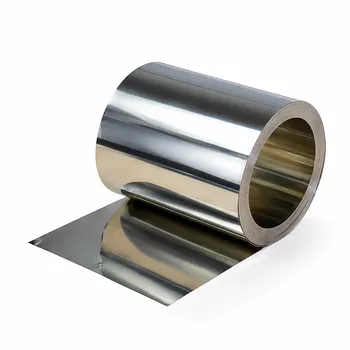
Lithium Battery Current Collector Metal Foil Nickel Zinc Titanium Stainless Steel Foils
Premium lithium battery current collector metal foils including high purity nickel zinc titanium and 316 stainless steel engineered for electrochemical stability high tensile strength and superior electrical conductivity in advanced battery research and energy storage.
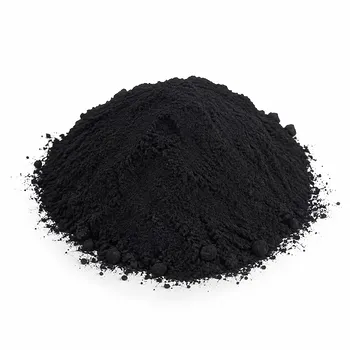
Sodium Nickel Iron Manganese Layered Oxide Cathode Material for Sodium Ion Batteries
High performance sodium nickel iron manganese oxide layered cathode material designed for sodium ion batteries delivers exceptional rate capability, high specific capacity, outstanding low temperature discharge retention, and superior slurry processing stability for commercial energy storage system cell manufacturing.
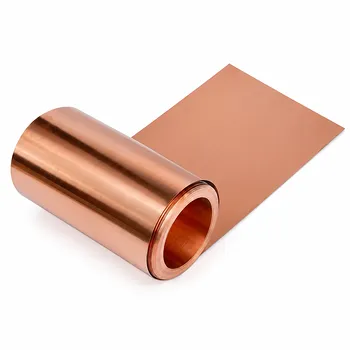
Three Dimensional Porous Copper Foil Current Collector for High Energy Density Lithium Ion Batteries and Supercapacitors
Engineered with an interconnected spherical microporous network and 99.95% purity, this 3D porous copper foil current collector maximizes active material loading, facilitates fast electrolyte wetting, and ensures exceptional thermal and electrical conductivity for advanced battery and supercapacitor research applications.

XRF KBR Steel Ring Lab Powder Pellet Pressing Mold for FTIR
Precision XRF steel ring pellet mold for lab sample prep. Durable, efficient, ensures accurate XRF analysis. Custom sizes available. Order now!
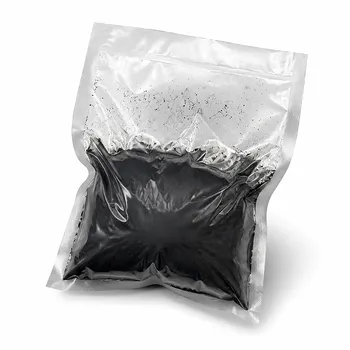
LiNiCoMnO2 Ni Co Mn 8 1 1 NCM 811 Cathode Material Lithium Ion Battery High Nickel Ternary NMC
High nickel NCM 811 LiNiCoMnO2 cathode material delivering exceptional energy density high specific capacity and superior cycle stability for next generation lithium ion battery cell research and development across commercial pouch cylindrical and prismatic formats.
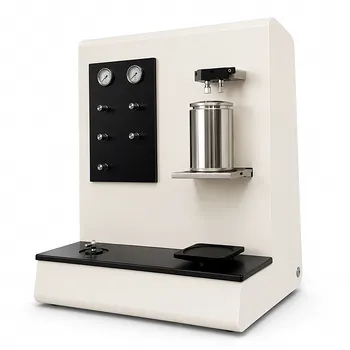
Dynamic BET Specific Surface Area Analyzer for Powders and Porous Materials
High-precision dynamic BET specific surface area analyzer designed for rapid, accurate characterization of battery materials, catalysts, and porous powders. Features advanced thermal conductivity detection, ultra-low surface area sensitivity down to 0.0005 m2/g, and fast three-minute throughput.
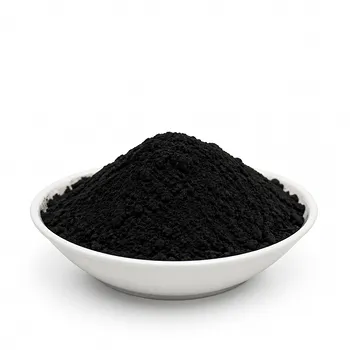
Series 9 High Nickel NCM Polycrystalline and Single Crystal Cathode Material for Lithium Ion Batteries
Engineered for high energy density lithium storage systems this premium Series 9 high nickel NCM cathode material delivers ultra high capacity exceptional first cycle efficiency low residual lithium content and superior cycling stability for cylindrical prismatic and pouch cells
Lithium Battery Cathode Material Lithium Iron Phosphate LiFePO4 Powder LFP
Premium lithium battery cathode material lithium iron phosphate LiFePO4 powder LFP delivers superior thermal safety high discharge capacity low moisture and consistent electrochemical stability for advanced energy storage pouch cell fabrication and coin cell battery research testing workflows
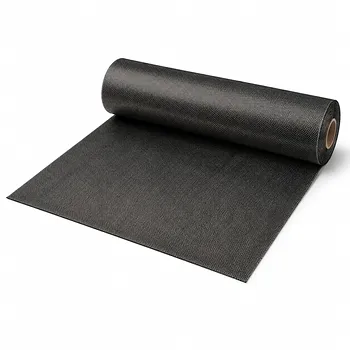
High Conductivity Carbon Cloth for Fuel Cells and Battery Electrodes
Engineered for high performance electrochemical systems, this high conductivity carbon cloth delivers exceptional through plane conductivity, superior gas permeability, and reliable tensile strength, making it the ideal gas diffusion layer substrate for advanced fuel cells, supercapacitors, and flow batteries.
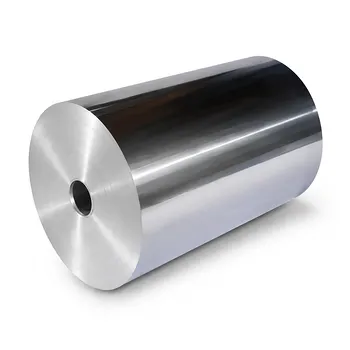
High Purity 15 and 16 Micron Aluminum Foil for Battery Cathode Current Collector
Engineered for high-performance battery electrode manufacturing, this high-purity 15 and 16 micron aluminum foil delivers superior tensile strength, zero pinholes, and optimized surface roughness to ensure exceptional slurry adhesion and consistent electrochemical conductivity in advanced lithium-ion energy storage systems.
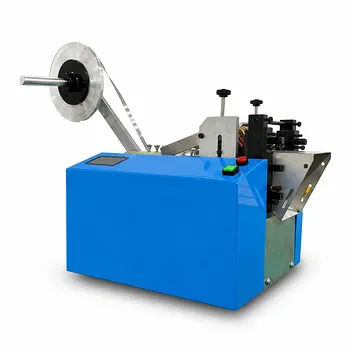
0.1mm 10m Nickel Strip Cutting Machine
Precision nickel strip cutting machine for battery manufacturing processes, handling copper, aluminum, copper foil tape, and nickel strip with adjustable cut lengths, widths from 0.1 to 100 mm, and dependable 150 cuts per minute throughput for laboratory production teams.
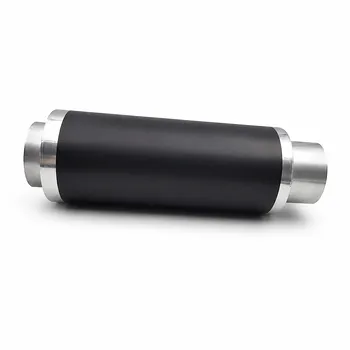
16 Micron Carbon Coated Aluminum Foil for Lithium Ion Battery Current Collector
Optimize battery electrode performance with premium 16 micron carbon coated aluminum foil engineered to lower dynamic internal resistance increase active material adhesion and improve pack voltage consistency across demanding commercial lithium ion cell production and high rate energy storage systems
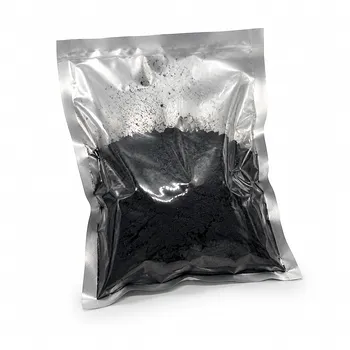
Lithium Ion Secondary Battery Cathode Material NCM532 NMC Ternary Powder
High performance lithium ion secondary battery cathode material NCM532 NMC ternary powder delivers superior energy density structural stability and exceptional cycling efficiency for advanced cell fabrication energy storage systems and electric vehicle research applications.

Lab Cylindrical Press Mold for Laboratory Use
Precision cylindrical press molds for lab sample prep. Durable, high-performance, and customizable for XRF, battery research, and material testing. Get yours today!

XRF KBR Plastic Ring Lab Powder Pellet Pressing Mold for FTIR
XRF Powder Pellet Pressing Mold with Plastic Rings for precise sample preparation. Achieve uniform pellets with durable alloy tool steel construction. Custom sizes available.
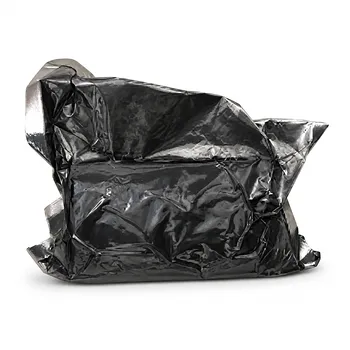
Lithium Nickel Cobalt Aluminum Oxide NCA Cathode Powder Material for Advanced Lithium-ion Battery Fabrication and Energy Storage Research
High performance lithium nickel cobalt aluminum oxide NCA powder material engineered for high energy density lithium ion battery research and development delivering superior electrochemical discharge capacity exceptional tap density precise particle distribution and low residual surface alkali content.
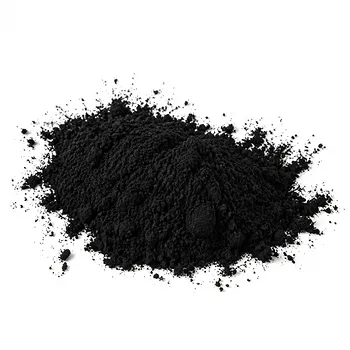
Sodium Ion Battery Cathode Material Sodium Iron Manganese Oxide Powder Na2 3 Fe1 2 Mn1 2 O2
High purity P2 type sodium iron manganese oxide cathode powder engineered for advanced sodium ion battery research and cell manufacturing delivering 180 mAh per g specific capacity stable electrochemical kinetics and exceptional batch consistency for energy storage applications.