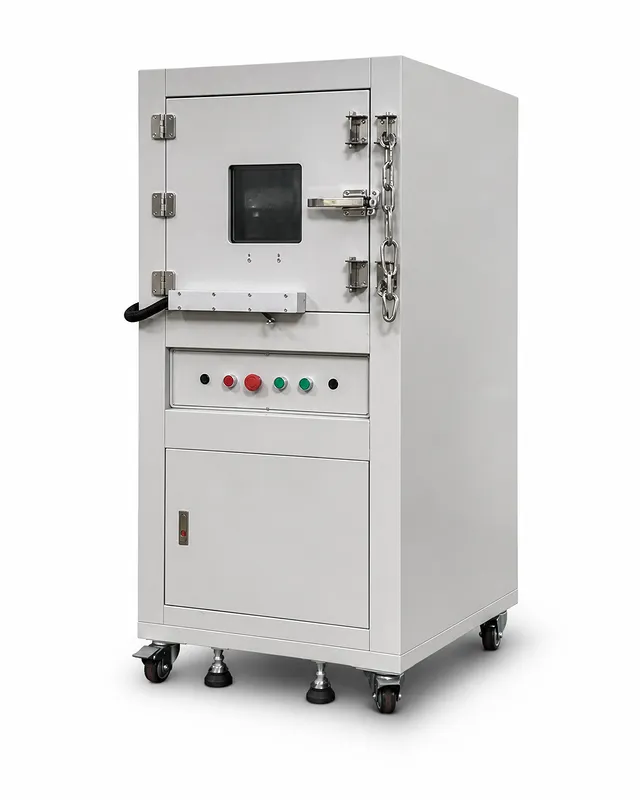
Battery Safety Testing Equipment
Battery Overcharge Explosion Proof Test Box for Consumer Cells
Item Number : DA01
Price varies based on specs and customizations
- Inner Chamber Dimensions
- W500 × D500 × H500 mm
- Inner Chamber Material
- 1.5 mm thick 304 stainless steel plate
- Electrical Supply and Power
- AC 220 V, 50 Hz, single phase; 0.2 kW

Shipping:
Contact us to get shipping details Enjoy On-time Dispatch Guarantee.
Why Choose Us
Easy ordering process, quality products, and dedicated support for your business success.
Product Overview
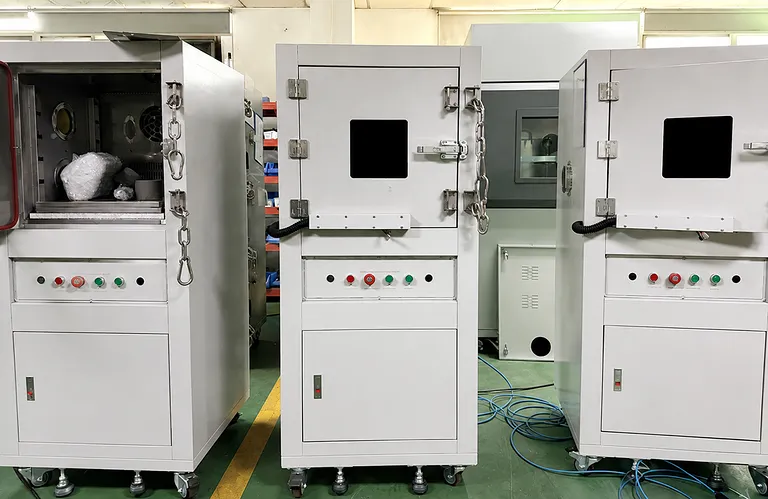
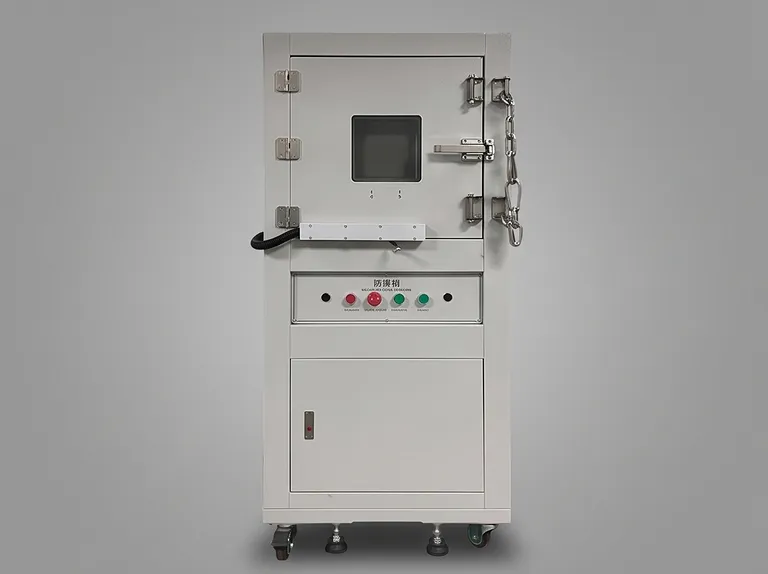
This battery overcharge explosion proof test box is designed to help protect laboratory personnel during battery overcharge and over-discharge testing. Its steel construction, enclosed test chamber, reinforced access door, explosion-resistant chains, and mechanical pressure relief opening provide a controlled barrier between operators and test samples when abnormal battery events occur.
The equipment is intended for consumer battery evaluation, including mobile phone batteries, coin cells, power bank batteries, AA and AAA disposable batteries, and individual 18650 cells. It supports battery R&D laboratories, quality-control departments, safety testing facilities, universities, and materials research environments that require a dedicated enclosure for potentially hazardous charge and discharge experiments.
Built for repeated laboratory use, the unit combines a 304 stainless steel inner chamber, powder-coated cold-rolled steel exterior, integrated lighting, exhaust ventilation, an inspection window, and a protected testing port. These features support practical operation, visual monitoring, and easier integration with external test instruments while maintaining a robust enclosure for demanding workflows.
Key Features
-
Steel Explosion Protection Enclosure: The complete structure uses steel materials to provide a strong physical barrier during battery overcharge, over-discharge, combustion, or explosion events.
-
Reinforced Explosion-Resistant Door: The single-panel door uses strong hinges, an explosion-resistant lock, and two 10 mm diameter explosion-resistant chains on each side to help prevent the door from being forced open by internal pressure.
-
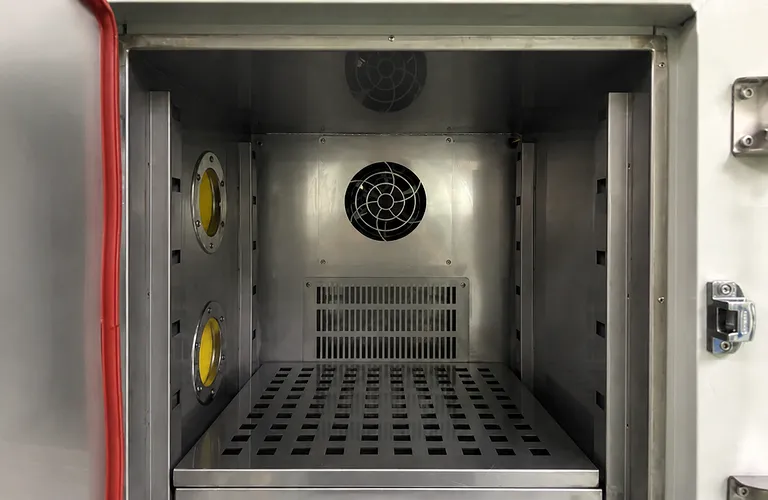
304 Stainless Steel Inner Chamber: The internal test space is manufactured from 1.5 mm thick SUS 304 stainless steel, supporting corrosion resistance, cleanability, and long-term structural stability in laboratory environments.
-
Direct Visual Observation: Two explosion-resistant glass panels allow operators to observe battery testing conditions without opening the enclosure and unnecessarily exposing personnel to the test area.
-
Integrated Smoke Exhaust: A high-power exhaust fan is installed at the rear of the cabinet to discharge smoke outside the enclosure when smoke is generated during testing. External exhaust routing should be arranged according to the laboratory installation plan.
-
Mechanical Pressure Relief: A mechanical pressure relief opening at the rear provides a dedicated path for pressure release during an abnormal event, supporting safer enclosure behavior.
-
Controlled Illumination and Ventilation: A high-brightness energy-saving LED light illuminates the complete test area, while the control panel operates the internal lighting and exhaust system.
-
Electrical Isolation Base: A marble plate is installed across the bottom of the inner chamber to help prevent external short circuits caused by contact between the battery and the enclosure base.
-
Practical Laboratory Mobility: Four adjustable fixed caster assemblies allow the equipment to be moved during installation or laboratory reconfiguration and then stabilized in position.
Applications
| Application | Description | Key Benefit |
|---|---|---|
| Consumer Battery Safety Testing | Evaluate mobile phone batteries, coin cells, power bank batteries, and other consumer battery formats during controlled overcharge or over-discharge procedures. | Creates a dedicated physical barrier between test samples and laboratory personnel. |
| 18650 Cell Evaluation | Conduct individual 18650 cell charging, discharging, abuse, or abnormal-condition tests using the internal chamber and side testing port. | Supports safer integration with external battery cyclers and measurement equipment. |
| Portable Electronics Battery Development | Use during early-stage safety verification of batteries intended for handheld electronics and compact rechargeable devices. | Enables visual monitoring while reducing the need to open the enclosure during testing. |
| Battery Quality Control | Provide a separate test enclosure for incoming inspection, production verification, failure analysis, or sample qualification. | Improves consistency in recurring safety test procedures and helps isolate abnormal samples. |
| University and Academic Research | Support battery science, electrochemistry, materials research, and student laboratory testing involving small consumer cells. | Offers a practical safety enclosure for shared research environments and teaching laboratories. |
| Battery Failure Analysis | Examine smoke generation, abnormal heating, combustion, or other failure behavior under controlled test conditions. | Combines observation, exhaust ventilation, and pressure relief in one dedicated unit. |
| General Materials Research | Protect test personnel during experiments involving small energy-storage devices or related materials that may produce smoke or pressure. | Extends the usefulness of the enclosure beyond routine battery qualification work. |
Technical Specifications
| Parameter | Specification |
|---|---|
| Product Item Number | DA01 |
| Intended Use | Battery overcharge and over-discharge testing to help prevent injury to personnel caused by battery explosion or combustion |
| Suitable Battery Types | Consumer batteries, including mobile phone batteries, coin cells, power bank batteries, AA and AAA disposable batteries, and individual 18650 cells |
| Enclosure Structure | One small enclosure divided into upper and lower sections |
| Inner Chamber Dimensions | W500 × D500 × H500 mm |
| Inner Chamber Material | 1.5 mm thick 304 stainless steel plate throughout the inner chamber |
| Outer Cabinet Dimensions | W700 × D700 × H1600 mm, subject to final design dimensions |
| Outer Cabinet Material | 1.2 mm cold-rolled steel plate with high-temperature powder coating |
| Door Configuration | Single-panel door with one viewing window, flush recessed handle, SUS 304 rear hinge components, strong hinges, and explosion-resistant lock |
| Explosion-Resistant Chains | Two φ10 mm explosion-resistant chains installed on each side of the door |
| Observation Window | Two explosion-resistant glass panels for viewing internal battery test conditions |
| Internal Lighting | One high-brightness energy-saving LED light installed at the top of the cabinet |
| Testing Port | One φ50 mm testing port on the left side of the cabinet, supplied with silicone plug and stainless steel cover |
| Insulation Method | Marble plate installed across the bottom of the inner test chamber to help prevent external battery short circuits |
| Exhaust System | High-power exhaust fan installed at the rear of the cabinet for discharging smoke outside the enclosure when smoke is generated |
| Control Panel | Controls the internal exhaust fan and lighting |
| Casters | Four sets of adjustable fixed movable casters for equipment movement and positioning |
| Electrical Supply | AC 220 V, 50 Hz, single phase |
| Rated Power | 0.2 kW |
| Pressure Relief | Mechanical pressure relief opening installed at the rear |
The enclosure dimensions and final external configuration can be confirmed during order review. Because laboratory layouts and exhaust arrangements vary, installation planning should account for cabinet access, power connection, smoke discharge routing, and sufficient clearance around the rear pressure relief and exhaust components.
The equipment is intended to function as a protective test enclosure rather than as a substitute for a complete battery testing system. External chargers, battery cyclers, sensors, data acquisition equipment, and laboratory exhaust connections can be selected according to the testing protocol. Operators should establish suitable procedures for sample placement, electrical connection, ventilation, emergency response, and post-test inspection before use.
The internal 304 stainless steel chamber provides a durable working surface for repeated testing, while the marble bottom plate adds an additional insulating layer between samples and the enclosure structure. The side testing port allows cables or measurement connections to be routed into the chamber while the silicone plug and stainless steel cover help close and protect the opening when it is not in use.
Why Choose This Product
-
Purpose-Built Safety Architecture: The reinforced door, dual-sided explosion-resistant chains, explosion-resistant glass, rear pressure relief, and steel enclosure are designed around the risks associated with abnormal battery testing.
-
Durable Laboratory Construction: A 1.5 mm 304 stainless steel inner chamber and 1.2 mm powder-coated cold-rolled steel exterior provide a robust combination of corrosion resistance, structural strength, and service practicality.
-
Better Operator Visibility: Integrated LED lighting and two viewing windows help users monitor test conditions without repeatedly opening the chamber or interrupting the test environment.
-
Practical Integration: The side testing port, rear exhaust fan, dedicated control panel, and single-phase power supply simplify connection to external battery test equipment and laboratory infrastructure.
-
Configurable Installation Support: The external dimensions are subject to final design confirmation, allowing the enclosure arrangement to be reviewed against available space, exhaust routing, and workflow requirements.
For a quotation, installation review, or customized battery safety enclosure solution, contact KINTEK to discuss your test protocol and laboratory requirements.
Trusted by Industry Leaders

REQUEST A QUOTE
Our professional team will reply to you within one business day. Please feel free to contact us!
Related Products
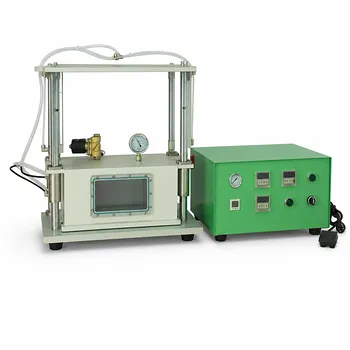
Laboratory Battery Vacuum Standing Box for Electrolyte Soaking
Laboratory battery vacuum standing box supports electrolyte absorption in pouch and cylindrical cells, using stable deep vacuum, programmable cycle operation, adjustable resting time, and a compact split control design for flexible research workflows and pilot-scale battery preparation tasks.
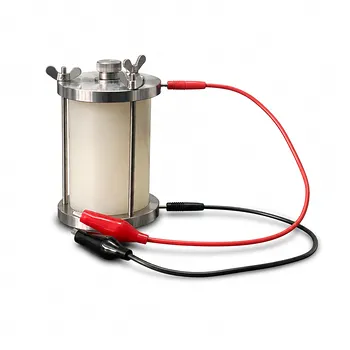
4680 Cylindrical Battery Detachable Split Test Kit
Detachable split test kit for 4680 cylindrical battery research with corrosion resistant sealing, stainless steel end caps, PTFE insulation, and secure spring loaded cell fastening for repeatable laboratory testing and flexible advanced materials workflows
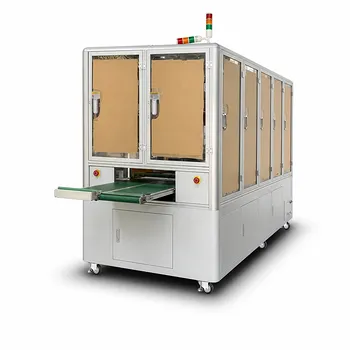
Pouch Prismatic Battery OCV DCIR Testing Machine with Barcode Scanning and Inkjet Coding
Automated pouch prismatic battery OCV and DCIR testing machine with barcode scanning, voltage resistance measurement, data traceability, and OK NG sorting for high throughput cell production across pouch cell manufacturing lines with reliable server integration
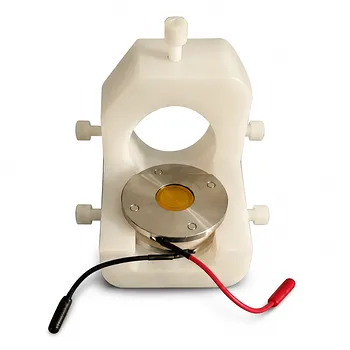
Aqueous Battery Testing Fixture for Laboratory Cell Evaluation
Aqueous battery testing fixture for cells up to 20 mm internal diameter and 4 mm thickness, featuring a 50 mm diameter clamp, PI film window, PEEK insulation, and high-purity titanium metal components for adaptable laboratory evaluation of aqueous battery performance.
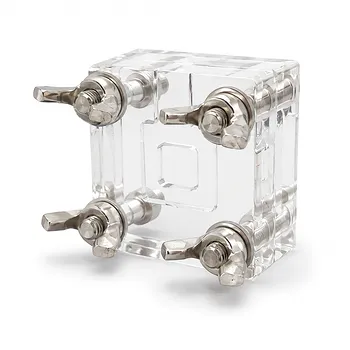
Solid State Zinc Air Battery Test Fixture Flexible Zinc Air Mold
Transparent solid state zinc air battery test fixture with flexible zinc air mold design, compact assembly, 1 to 4 cm² reaction areas, 0.2 cm electrode spacing, customizable construction, and clear observation for zinc air battery research and practical laboratory evaluation.
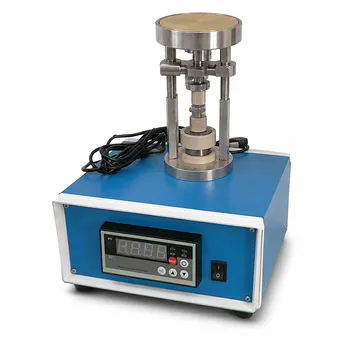
CT Testing Solid State Battery Device
CT testing solid state battery device for compact cell fixture evaluation with 2 mm inner diameter, optional display, external fixture, and 2 ton sensor integration for laboratory research workflows.
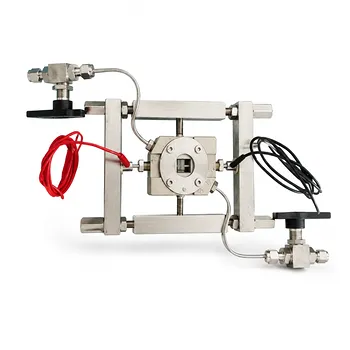
Optical Testing Solid State Battery Device for Microscopy Raman and Infrared Cross Section Analysis
Optical testing solid state battery device with compact fixtures for microscope, Raman, and infrared cross section analysis, including venting configuration for advanced battery research. Supports precise laboratory characterization, flexible sample dimensions, and controlled access for materials science and cell development.
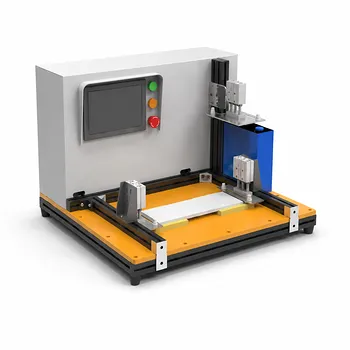
Prismatic Battery Automatic Testing and Sorting Equipment
Prismatic battery automatic testing and sorting equipment measures open circuit voltage and AC internal resistance, automatically pairs up to eight grades, supports traceable database management, and processes approximately 600 cells per hour for consistent pack quality in lithium battery production.
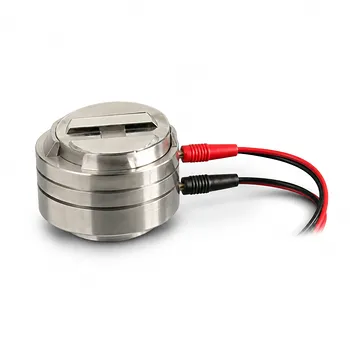
XRD Testing Solid State Battery Device for Electrolyte Pellet Analysis
XRD testing solid-state battery device for 16mm battery samples supports 0-6mm thickness and a 50mm fixture diameter with adaptable mounting for laboratory diffraction workflows. Designed for electrolyte pellet preparation and adaptable laboratory platform integration.
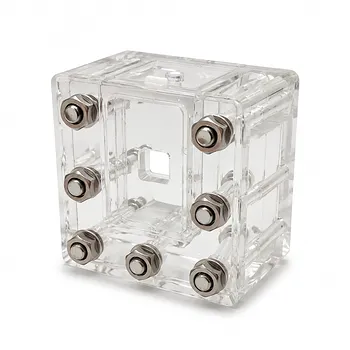
Quick Change Zinc Plate Large Capacity Zinc Air Test Cell
Quick change zinc plate zinc air test cell with transparent PMMA housing rapid anode replacement 30ml electrolyte capacity adjustable reaction areas and precise electrode spacing for reliable laboratory battery research and advanced materials evaluation under controlled experimental conditions
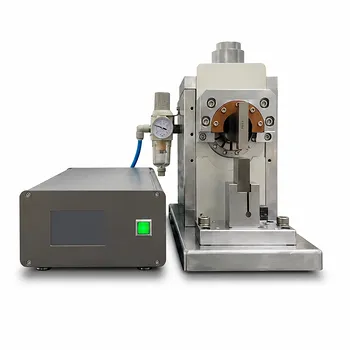
Ultrasonic Metal Welding Machine for Glove Box Use Battery Tab Cap Welding
Ultrasonic metal welding machine for glove box use, featuring 220V operation, 0.4-0.6MPa air supply, metric controls, and customizable welding tooling for battery research and advanced materials laboratories requiring compact, repeatable metal joining performance within controlled laboratory workflows.
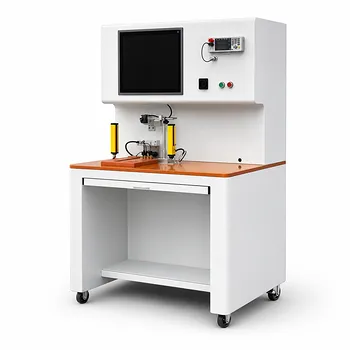
Manual OCV Multifunction Test Sorting Machine
Manual OCV multifunction test sorting machine for pouch lithium ion prismatic cells combines voltage and internal resistance grading data binding database storage and operator guided handling for controlled battery production inspection with computer display and configurable audible grade notification.
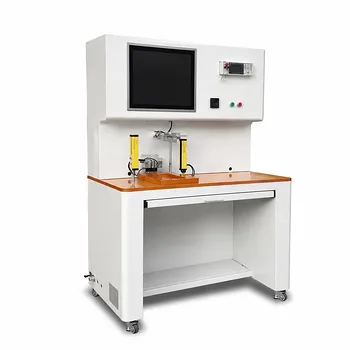
Manual Multifunctional OCV Sorting Machine for Pouch Lithium Ion Cells
Manual multifunctional OCV sorting machine for pouch lithium ion cells, combining voltage and internal resistance testing, data binding, software grading, voice notification, and flexible cell compatibility.
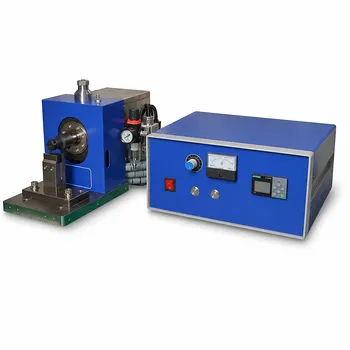
Ultrasonic Metal Welding Machine for Glovebox Use
Ultrasonic metal welding machine for glovebox use supports aluminum foil and nickel copper foil tab welding with 800W 40kHz power precise 4 x 4 mm weld area and controlled utility requirements for battery research laboratory assembly workflows under specified compressed air conditions.
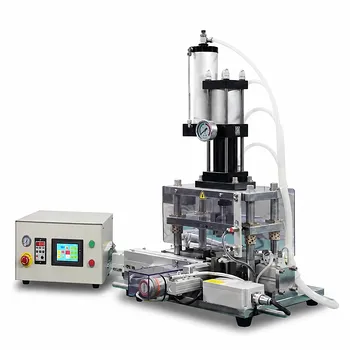
Glove Box Compatible Automatic Cylindrical Battery Sealing Machine
Automatic cylindrical battery sealing machine for glove box operation, three-stage sealing, precise molding, strong airtightness, high consistency, and reliable production of 18650 and 21700 cells with PLC touchscreen control, adjustable parameters, compact construction, and efficient automated loading and unloading
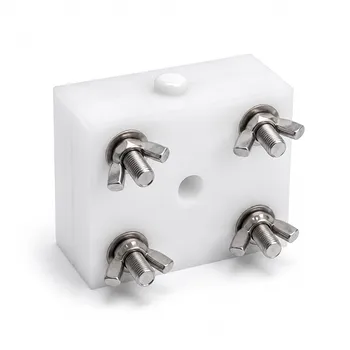
Rechargeable Zinc Air Electrolytic Cell Zinc Air Cycling Test Device Metal Fuel Cell Reactor
Rechargeable zinc air electrolytic cell cycling test device with modular PP reactor, 1 to 4.5 cm² reaction areas, circulating electrolyte, forced oxygen supply, leak resistant sealing, and customizable gas connections for metal fuel cell research and advanced materials laboratories.
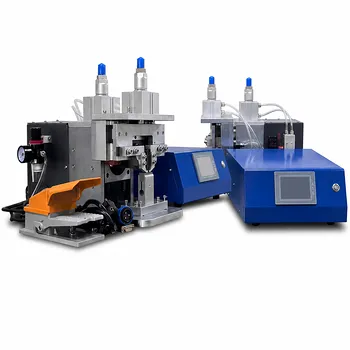
Ultrasonic Metal Welding Machine for Glovebox Use
Ultrasonic metal welding machine for glovebox use supports 0.1 mm aluminum strip to cap welding with a 1.5 x 3 mm weld area 220V power configurable tooling for battery cell cap assembly in controlled laboratory environments with bilingual control software.
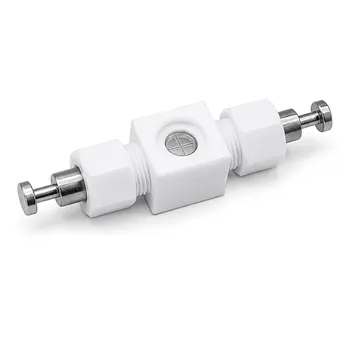
Optical Testing Cross Section Aqueous Battery Device for Microscopy Raman and Infrared Analysis
Optical testing cross section aqueous battery device for microscopy Raman infrared analysis dendrite observation and conductivity measurement in advanced battery research applications
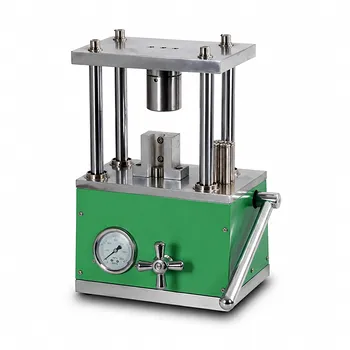
Laboratory Manual Cylindrical Battery Third Seal Crimping Machine
Laboratory manual cylindrical battery crimping sealing machine for 18650 third sealing delivers precise pressure control, smooth edges, strong airtightness, stable forming, compact operation, and glovebox compatible battery research performance with reliable consistency and convenient maintenance for demanding laboratory workflows
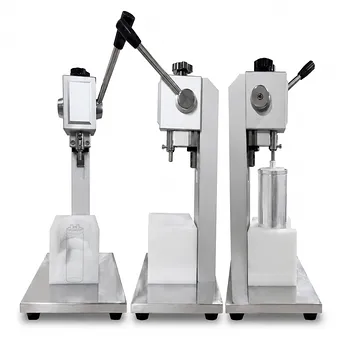
Manual Supercapacitor Plug Pressing Machine
Manual supercapacitor plug pressing machine for post-filling battery assembly, delivering compact, flexible operation with a 20mm working stroke, 60mm product diameter compatibility, and glovebox transfer capability for efficient laboratory production workflows in advanced electrochemical research environments today worldwide.