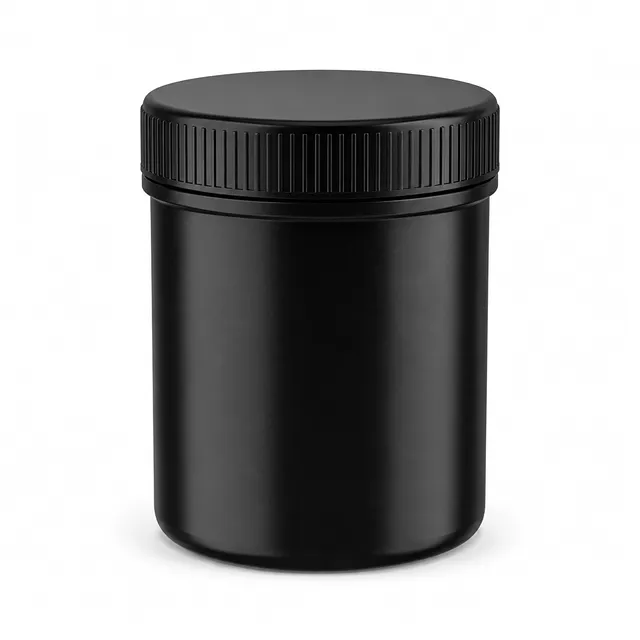
Battery powder materials
Conductive Carbon Black Super P Li Battery Grade Conductive Additive Powder for Lithium Ion Electrodes
Item Number : CL24
Price varies based on specs and customizations
- BET Specific Surface Area
- 62 ± 5 m²/g (Typical: 63 m²/g)
- Absorption Value (DBP)
- 32 ± 2 mL/5g (Typical: 31.5 mL/5g)
- Trace Iron (Fe) Content
- Max 10 ppm (Typical: 2.1 ppm)

Shipping:
Contact us to get shipping details Enjoy On-time Dispatch Guarantee.
Why Choose Us
Easy ordering process, quality products, and dedicated support for your business success.
Product Overview
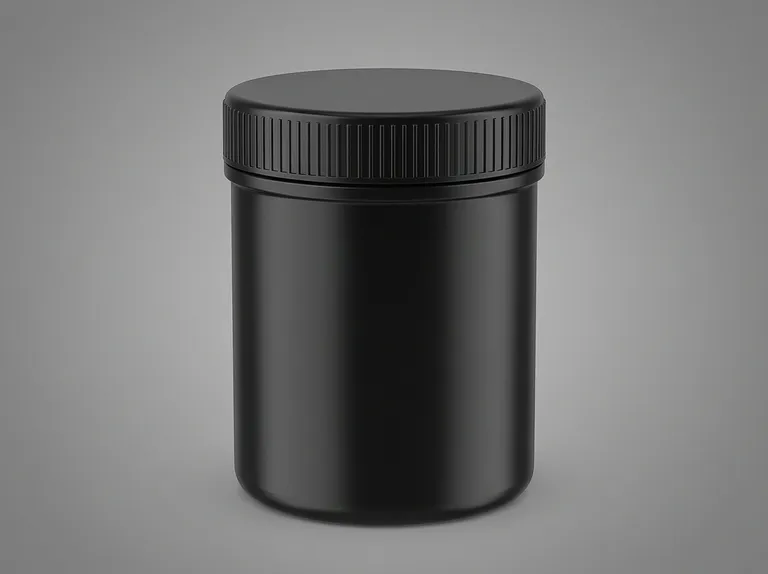
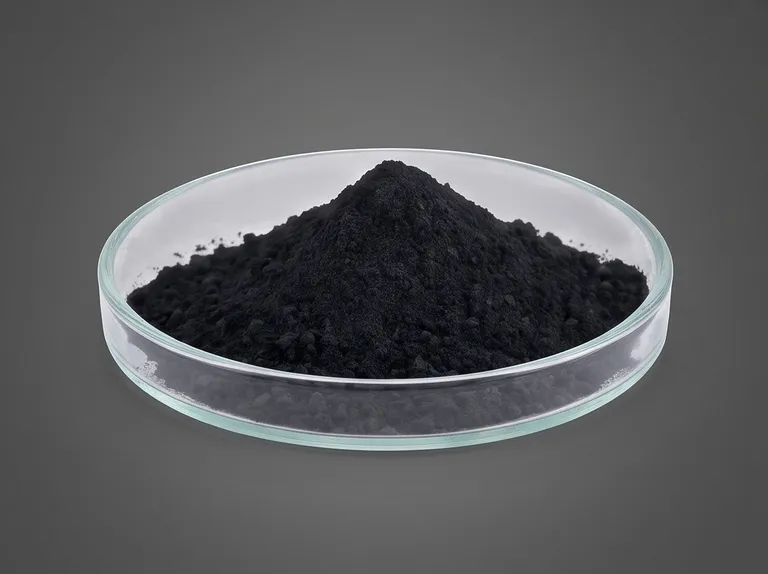
This high-purity conductive carbon black powder serves as an industry-standard conductive additive engineered specifically for energy storage systems and high-rate electrochemical applications. By forming an interconnected, three-dimensional electron-transport network across cathode and anode matrices, the material drastically reduces internal cell impedance, enhances rate capability, and maximizes active material utilization in advanced secondary batteries.
Optimized for both commercial cell manufacturing and laboratory research, this conductive additive is universally compatible with common battery chemistries, including lithium iron phosphate (LFP), nickel manganese cobalt oxides (NMC), lithium cobalt oxide (LCO), lithium titanate (LTO), and silicon-graphite composite anodes. Beyond standard lithium-ion systems, the powder is extensively adopted across supercapacitors, sodium-ion cells, solid-state batteries, and specialty conductive polymer compounds.
Manufactured under tight quality standards, the material features an exceptionally low metallic impurity profile, strictly controlled volatile content, and minimal moisture levels. These characteristics ensure chemical passivity against electrolyte decomposition, eliminate local micro-shorting hazards, and provide consistent rheological behavior during electrode slurry processing, yielding uniform coating morphology and long-term cycling stability.
Key Features
- Optimized Specific Surface Area: Features a balanced BET surface area of 62 ± 5 m²/g (typical value 63 m²/g), providing the ideal compromise between extensive conductive contact area and manageable binder consumption without causing slurry gelation.
- Controlled Aggregate Structure: Exhibiting a specialized branched chain architecture with an absorption value of 32 ± 2 mL/5g, this additive establishes robust long-range electron percolation paths throughout the electrode layer even at minimal loading fractions.
- Ultra-Low Metallic Impurity Profile: Controlled to a rigorous specification of under 10 ppm iron (typical 2.1 ppm) and under 0.1 ppm nickel, minimizing the risk of dendritic micro-shorting, excessive self-discharge, and unwanted catalytic breakdown of liquid electrolytes.
- Minimal Moisture and Volatiles: With moisture content limited to ≤0.1% (standard max 0.3%) and volatile fractions below 0.11% (standard max 0.15%), the powder eliminates unwanted side reactions during high-voltage operation and prevents degassing during high-temperature cell aging.
- Favorable Alkaline pH Chemistry: Operating within an alkaline range of pH 8 to 11 (typical 9.2), this material helps buffer acidic trace components, preventing current collector corrosion and maintaining the chemical integrity of PVDF and water-based binder networks.
- Low Bulk Density for Rapid Dispersion: Engineered with a controlled loose bulk density of 160 ± 20 kg/m³, the powder breaks down rapidly under standard planetary or high-shear mixing, avoiding recalcitrant agglomerates and ensuring homogeneous distribution.
- Broad Rheological Compatibility: Seamlessly incorporates into both non-aqueous (N-methyl-2-pyrrolidone / PVDF) and aqueous (water / SBR-CMC / polyacrylic acid) slurry systems with stable viscosity profiles and resistance to shear thinning breakdown.
- High-Rate Electronic Transport: Delivers low contact resistance across active material grain boundaries, dramatically improving C-rate discharge performance and low-temperature kinetic responsiveness in high-power battery designs.
Applications
| Application | Description | Key Benefit |
|---|---|---|
| Lithium-Ion Battery Cathodes | Blended with active materials such as NMC811, LFP, and LCO in slurry formulations alongside PVDF binder. | Forms a continuous conductive matrix that reduces cathode polarization and optimizes rate capability during rapid discharge. |
| Silicon-Graphite Anodes | Formulated into high-capacity composite anodes subject to significant volumetric expansion during lithiation. | Maintains continuous electrical contact across expanding silicon particles, mitigating capacity fade over prolonged cycling. |
| Next-Generation Solid-State Batteries | Distributed into solid composite cathode matrices alongside solid electrolytes (sulfide, oxide, or polymer types). | Lowers interparticle contact resistance across rigid solid-solid interfaces without degrading electrochemical stability windows. |
| Sodium-Ion and Potassium-Ion Cells | Used as the primary conductive agent for hard carbon anodes and layered oxide / Prussian blue analogue cathodes. | Accommodates larger ionic radii insertion dynamics by ensuring fast electron exchange at the active material interface. |
| Electrochemical Supercapacitors | Compounded with high-surface-area activated carbon or pseudocapacitive metal oxides on aluminum current collectors. | Lowers equivalent series resistance (ESR) and improves high-frequency response in pulse-power energy storage systems. |
| Primary Lithium Battery Chemistries | Incorporated into lithium-manganese dioxide (Li-MnO2) and lithium-thionyl chloride (Li-SOCl2) cell formulations. | Prevents cathode passivation and maximizes pulse current discharge reliability over multi-year operational lifespans. |
| Conductive Polymers and Antistatic Coatings | Compounded into thermoplastic elastomers, epoxy matrices, and ESD-safe packaging films. | Imparts permanent antistatic properties and electrostatic dissipation capability at low percolation thresholds without compromising mechanical strength. |
| Fuel Cell Catalyst Layers | Dispersed alongside platinum-group metal catalysts in proton exchange membrane (PEM) electrode layers. | Enhances catalyst layer electronic conductivity and mass transport porosity for optimized oxygen reduction reaction kinetics. |
Technical Specifications
| Parameter | Unit | Specification Standard | Typical Value (Item Code: CL24) |
|---|---|---|---|
| Apparent Bulk Density | kg/m³ | 160 ± 20 | 160 |
| Specific Absorption (DBP) | mL / 5g | 32 ± 2 | 31.5 |
| BET Specific Surface Area | m²/g | 62 ± 5 | 63 |
| Moisture Content | wt% | Max 0.3 | 0.10 |
| Total Sulfur (S) | wt% | Max 0.03 | 0.009 |
| Volatile Matter | wt% | Max 0.15 | 0.11 |
| Total Ash Content | wt% | Max 0.05 | 0.01 |
| Trace Iron (Fe) | ppm | Max 10 | 2.1 |
| Trace Nickel (Ni) | ppm | — | 0.1 |
| pH Value | — | 8.0 – 11.0 | 9.2 |
Why Choose This Product
- Exceptional Batch-to-Batch Uniformity: Synthesized under tightly regulated thermal cracking conditions to ensure identical surface area, structure, and chemical purity across production lots, eliminating variations in slurry viscosity and coating thickness.
- Critical Metallic Contaminant Control: Rigorous purification protocols limit transition metal impurities like iron and nickel to sub-ppm thresholds, preventing cell micro-shorting and catastrophic self-discharge in critical industrial and automotive battery cells.
- High Structural Efficiency at Low Additive Loadings: The specialized branched carbon aggregate morphology creates resilient conductive pathways at lower weight percentages, preserving higher active material mass ratios for maximum cell energy density.
- Full Slurry Chemistry Versatility: Demonstrated chemical compatibility with both organic NMP-based systems and green, aqueous binder platforms ensures effortless integration into existing commercial electrode casting production lines.
Contact our technical sales team today to request volume pricing, sample lots, or comprehensive application support for your energy storage manufacturing requirements.
Trusted by Industry Leaders

REQUEST A QUOTE
Our professional team will reply to you within one business day. Please feel free to contact us!
Related Products
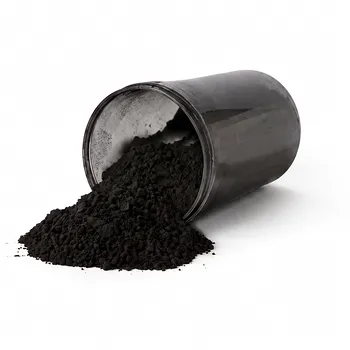
Conductive Carbon Black Additive Powder for High Performance Battery Electrode Manufacturing
Engineered for high-performance energy storage, this premium conductive carbon black additive delivers a 45 m²/g surface area, ultra-low metal impurities, and superior percolation networks to maximize battery rate capability, cyclic stability, and long-term electrode conductivity across demanding electrochemical cell systems.
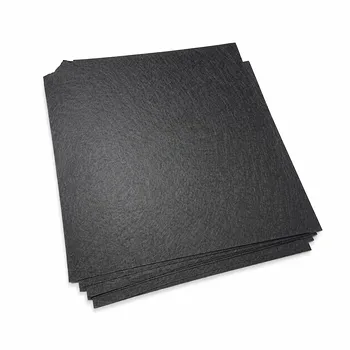
Conductive Carbon Paper Current Collector for Fuel Cell and Supercapacitor Electrodes
Engineered for advanced electrochemical systems, this premium conductive carbon paper functions as an exceptional gas diffusion layer and current collector for fuel cell and supercapacitor electrodes, delivering uniform 75% porosity, ultra-low electrical resistivity, and robust mechanical stability in research.
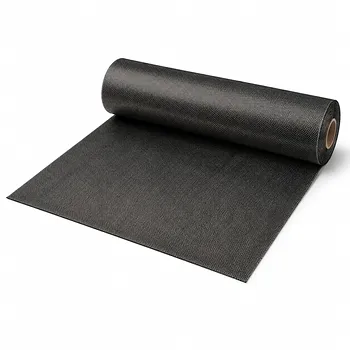
High Conductivity Carbon Cloth for Fuel Cells and Battery Electrodes
Engineered for high performance electrochemical systems, this high conductivity carbon cloth delivers exceptional through plane conductivity, superior gas permeability, and reliable tensile strength, making it the ideal gas diffusion layer substrate for advanced fuel cells, supercapacitors, and flow batteries.
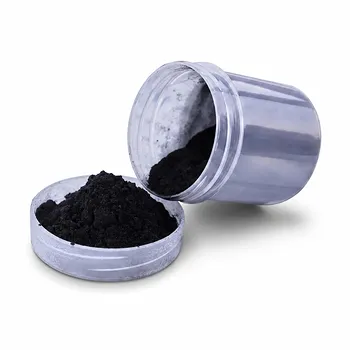
Highly Spherical and Irregular Hard Carbon Powder Lithium-Ion and Sodium-Ion Battery Anode Material
High-purity spherical and irregular hard carbon anode powders engineered for sodium-ion and lithium-ion battery research. Featuring high initial coulombic efficiency, controlled particle size distribution, exceptional purity, and outstanding rate performance for energy storage and advanced cell prototyping.
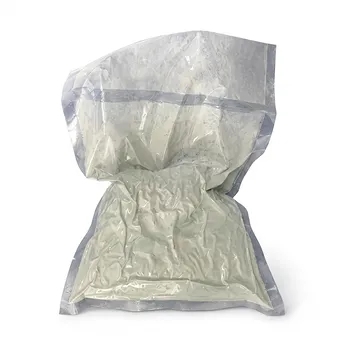
Carbon Coated and Uncoated LTO Lithium Titanate Powder Li4Ti5O12 LiTiO Battery Anode Material
High purity carbon coated and uncoated LTO lithium titanate powder Li4Ti5O12 LiTiO anode material delivers exceptional thermal safety ultra long cycle life and high rate capability for advanced energy storage systems electric vehicles specialty power supplies and hybrid supercapacitors.
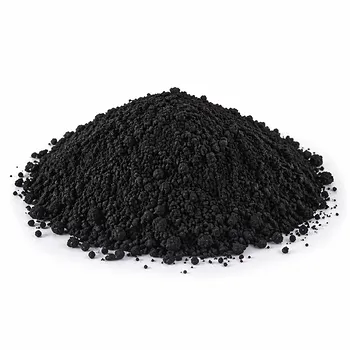
Carbon Coated Silicon Anode Material Silicon Carbon Composite Powder for Lithium Ion Batteries
High performance carbon coated silicon anode material engineered for next generation lithium ion battery development delivering exceptional discharge capacity low surface area optimized tap density superior initial coulombic efficiency and reliable cycle life stability across demanding electrochemical testing protocols.
Carbon Coated Sodium Vanadium Phosphate Na3V2PO43 Powder Sodium Ion Battery Cathode Material
High purity carbon coated sodium vanadium phosphate Na3V2PO43 cathode powder engineered for advanced sodium ion battery research offering 3N purity uniform 1 to 2 micron particle distribution low impurity levels superior rate capability and exceptional structural stability during cycling
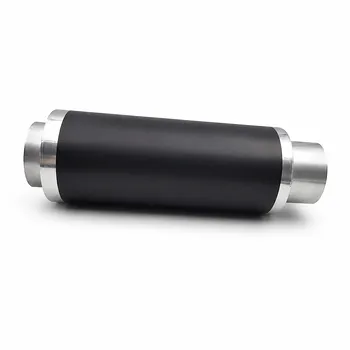
16 Micron Carbon Coated Aluminum Foil for Lithium Ion Battery Current Collector
Optimize battery electrode performance with premium 16 micron carbon coated aluminum foil engineered to lower dynamic internal resistance increase active material adhesion and improve pack voltage consistency across demanding commercial lithium ion cell production and high rate energy storage systems
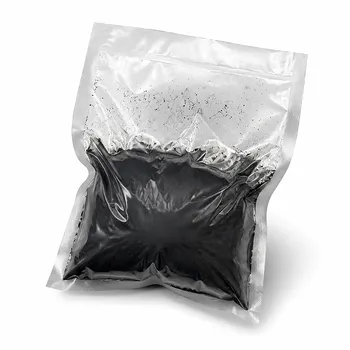
LiNiCoMnO2 Ni Co Mn 8 1 1 NCM 811 Cathode Material Lithium Ion Battery High Nickel Ternary NMC
High nickel NCM 811 LiNiCoMnO2 cathode material delivering exceptional energy density high specific capacity and superior cycle stability for next generation lithium ion battery cell research and development across commercial pouch cylindrical and prismatic formats.
Lithium Ion Secondary Battery Cathode Material NCM532 NMC Ternary Powder
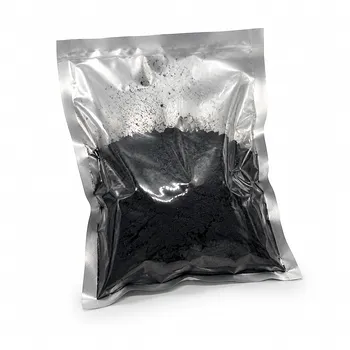
High performance lithium ion secondary battery cathode material NCM532 NMC ternary powder delivers superior energy density structural stability and exceptional cycling efficiency for advanced cell fabrication energy storage systems and electric vehicle research applications.
Lithium Cobalt Oxide LCO Cathode Material for Lithium Ion Secondary Batteries
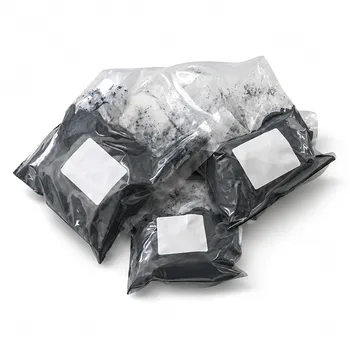
High performance lithium cobalt oxide LCO cathode powder engineered for lithium ion secondary batteries featuring exceptional tap density high first cycle efficiency superior rate capability and tight chemical purity for advanced commercial and research energy storage cell manufacturing
Lithium Battery Powder Resistivity and Compacted Density Measurement System
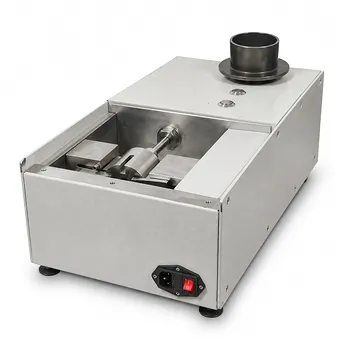
Optimize cathode and anode slurry formulations with this automated lithium battery powder resistivity and compacted density measurement system featuring closed-loop servo pressure execution high-resolution displacement monitoring synchronous environmental logging and automated analytical software for precision electrode quality control workflows
Lithium Nickel Cobalt Aluminum Oxide NCA Cathode Powder Material for Advanced Lithium-ion Battery Fabrication and Energy Storage Research
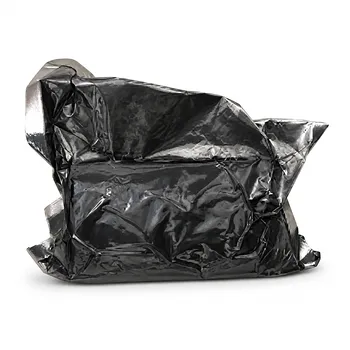
High performance lithium nickel cobalt aluminum oxide NCA powder material engineered for high energy density lithium ion battery research and development delivering superior electrochemical discharge capacity exceptional tap density precise particle distribution and low residual surface alkali content.
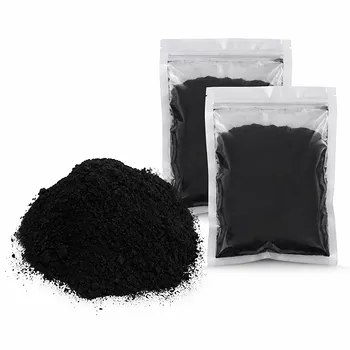
Lithium Ion Secondary Battery Cathode Material Lithium Nickel Cobalt Manganese Oxide
High performance lithium nickel cobalt manganese oxide cathode material for advanced lithium ion secondary batteries engineered with tight stoichiometric balance ultra low moisture and optimized particle distribution to maximize electrochemical capacity tap density and cyclability across demanding energy storage applications

Sodium Ion Battery Prussian Blue Cathode Material High Capacity Active Powder
High performance sodium ion battery prussian blue cathode material offering Na2FeFe(CN)6 chemistry, rapid Na ion diffusion, low lattice strain, and discharge capacity above 100 mAh per gram for advanced battery research and full cell testing workflows.
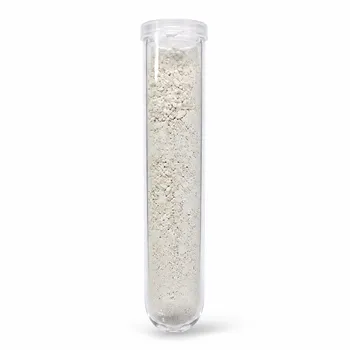
Prussian White Sodium Ion Battery Cathode Material Na2MnFe CN 6 Powder for Advanced Sodium Ion Energy Storage Research
High purity Prussian white sodium ion battery cathode material featuring a robust 3D open framework structure delivering high specific capacity of 130 mAh/g and excellent rate performance engineered for precision cell fabrication slurry processing and advanced energy storage battery research
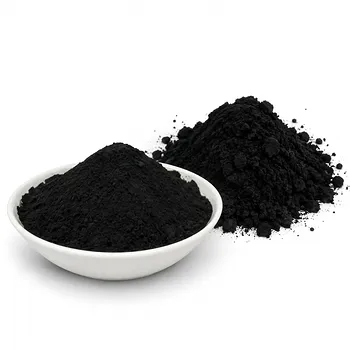
Battery Cathode Material Lithium Manganese Iron Phosphate LMFP Powder
High performance lithium manganese iron phosphate LMFP battery cathode material powder engineered for next generation energy storage delivering 154.4 mAh per gram discharge capacity exceptional thermal safety superior voltage plateau stability and high first cycle efficiency for demanding electrochemical applications
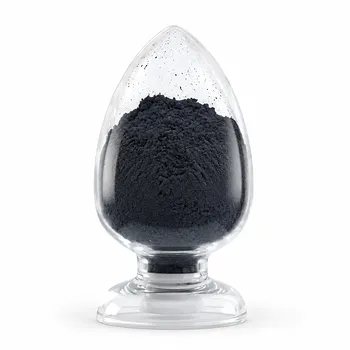
Lithium Ion Battery Cathode Material Lithium Manganese Oxide LMO LiMn2O4 Powder
High-purity spinel lithium manganese oxide LMO LiMn2O4 cathode powder delivers superior thermal stability, low internal impedance, and exceptional rate capability for advanced lithium ion battery cell prototyping, coin cell fabrication, electrochemical research, and high-power energy storage systems.
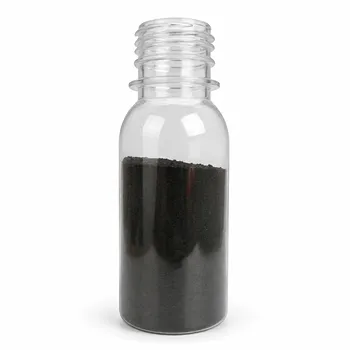
Supercapacitor Activated Carbon for Organic Electrolyte and Aqueous Electrolyte Energy Storage Systems
Engineered for high capacitance and low internal resistance, this supercapacitor activated carbon delivers optimal electrochemical performance across organic electrolyte and aqueous electrolyte energy storage systems. Request a technical quote today.
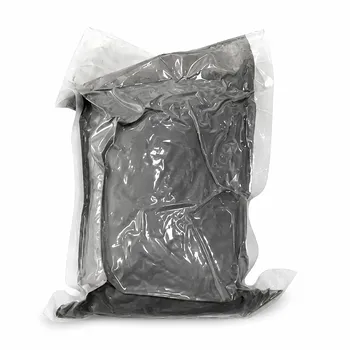
Lithium Battery Cathode Material Lithium Iron Phosphate LiFePO4 Powder LFP
Premium lithium battery cathode material lithium iron phosphate LiFePO4 powder LFP delivers superior thermal safety high discharge capacity low moisture and consistent electrochemical stability for advanced energy storage pouch cell fabrication and coin cell battery research testing workflows