Toggle Categories
Get Instant Support
Choose your preferred way to connect with our team
Response Time
Within 8 hours on working days, 24 hours on holidays
Laboratory Hydraulic Press
Our laboratory presses, for diverse sample preparation and material processing, include Manual or Automatic Laboratory Press, Laboratory Heated Press, Cold Isostatic Press, and Warm Isostatic Press.
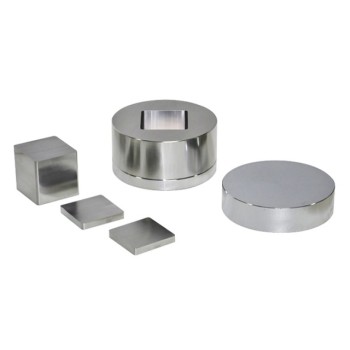
Laboratory Hydraulic Press
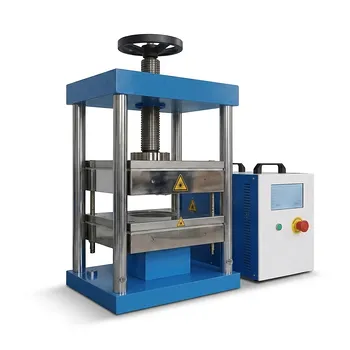
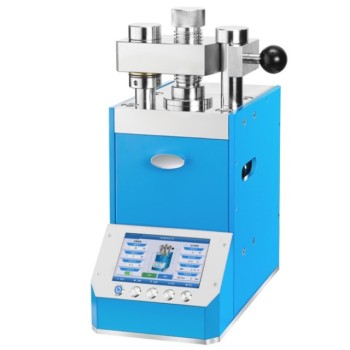
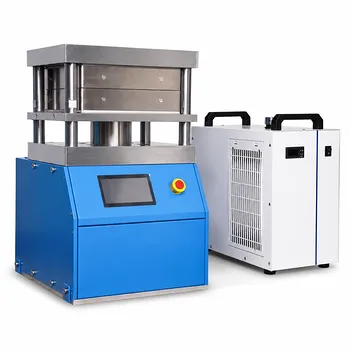
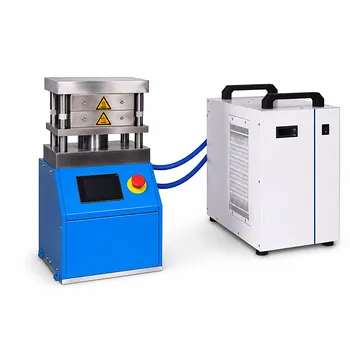
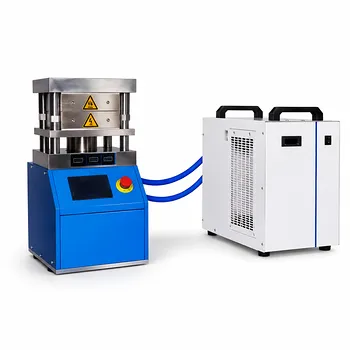
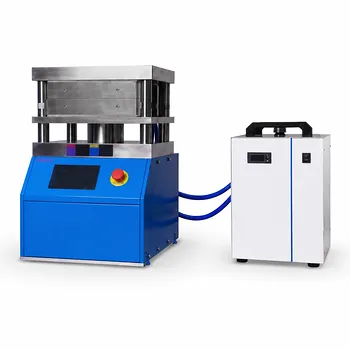
Automatic Integrated Hot Press 300x400mm 20 Ton Fast Heating
Item Number: XP44
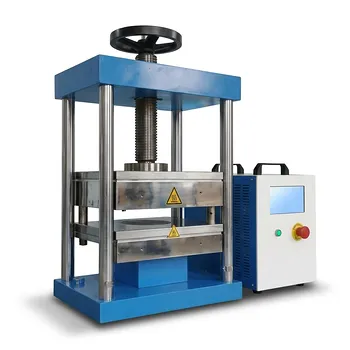
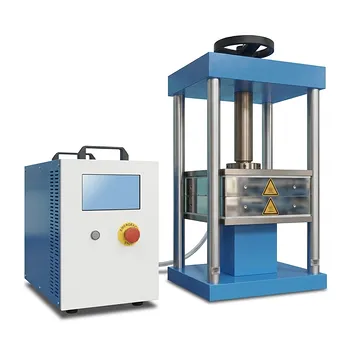
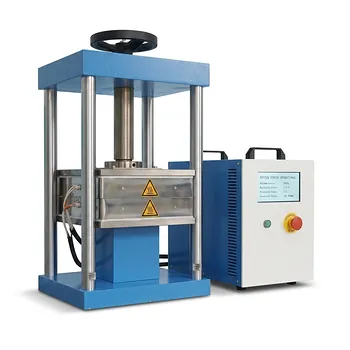
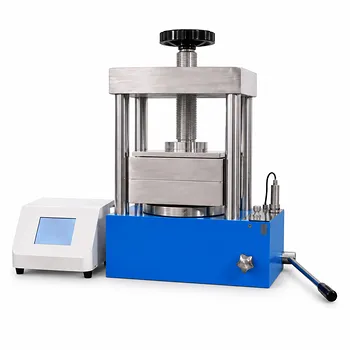
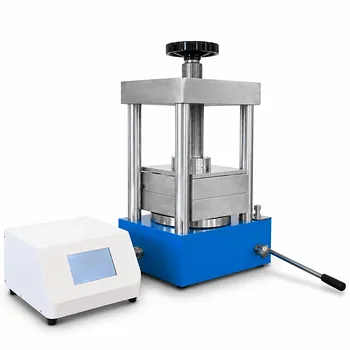
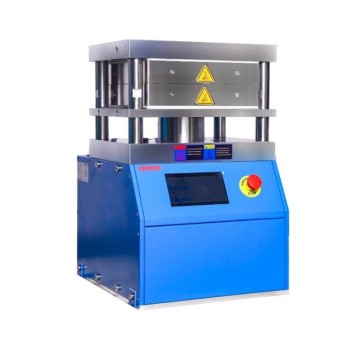
Manual Laboratory Hot Press 10 Ton 300x300mm Water Cooling
Item Number: XP58
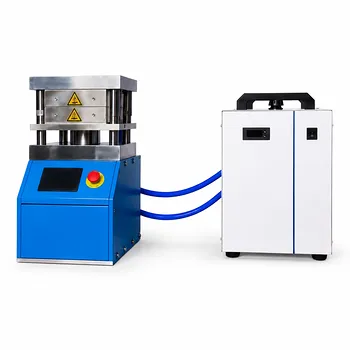
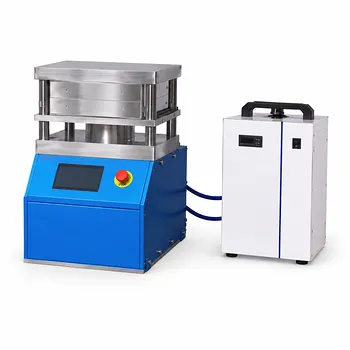
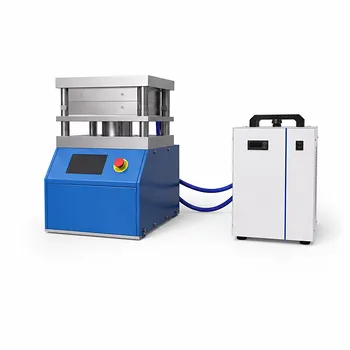
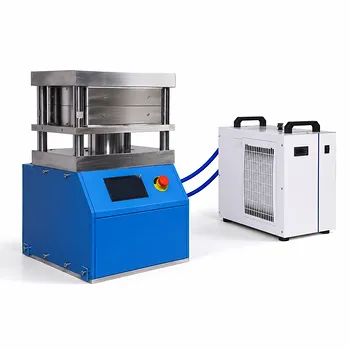

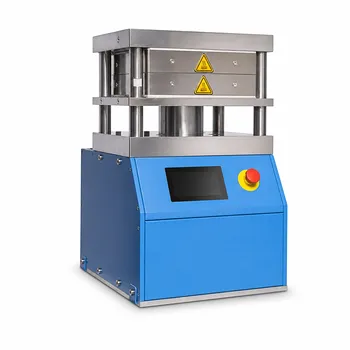
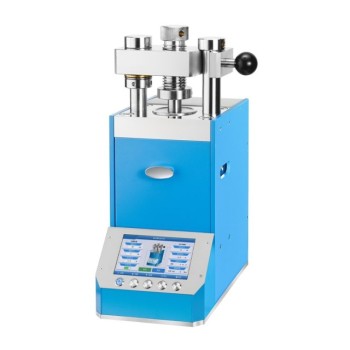
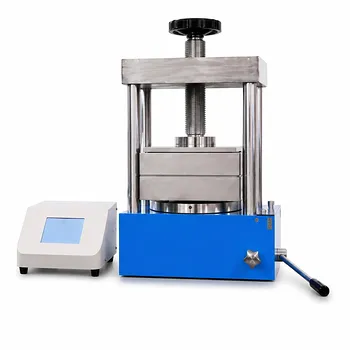
Automatic Hot Press 2 Ton 150x150mm Oil Free
Item Number: XP75
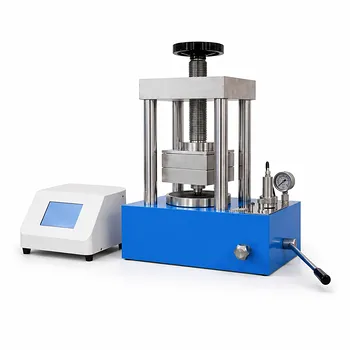
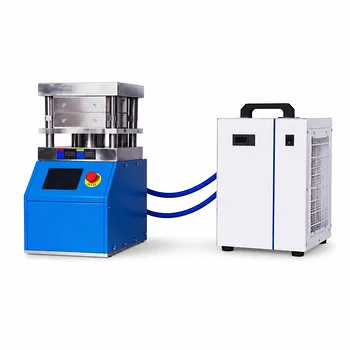
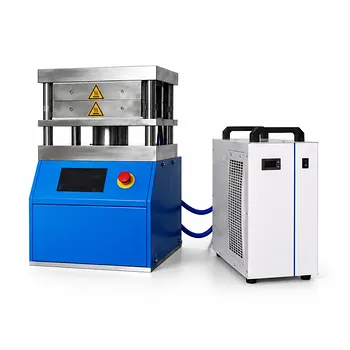
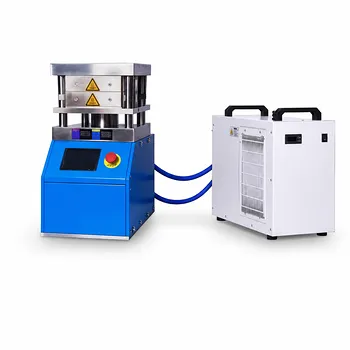
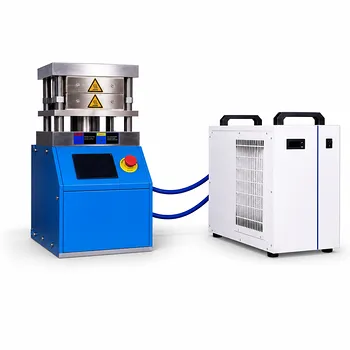
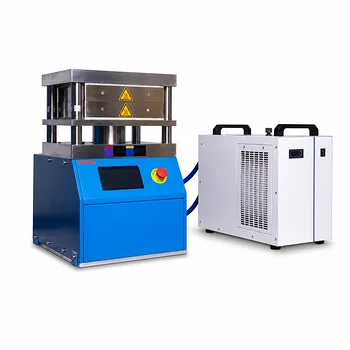
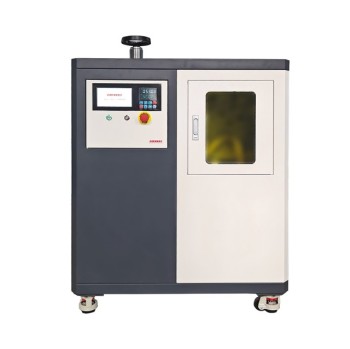
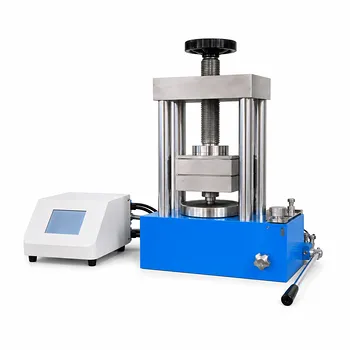
Automatic Hot Press 3 Ton 300x300mm Oil Free OSHA Light Curtain Optional
Item Number: XP72
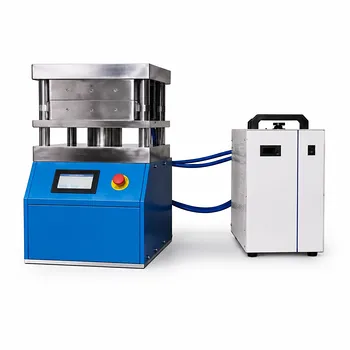
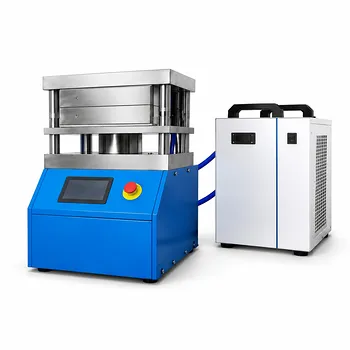

Manual Cold Isostatic Pressing CIP Machine Pellet Press
Item Number: PCIM

Electric Lab Cold Isostatic Press CIP Machine
Item Number: PCIE

Automatic Lab Cold Isostatic Pressing CIP Machine
Item Number: PCIA

Electric Split Lab Cold Isostatic Pressing CIP Machine
Item Number: PCESI
REQUEST A QUOTE
Our professional team will reply to you within one business day. Please feel free to contact us!
Related Articles

The Silent Geometry of Density: Why Isotropic Pressure is the Soul of Advanced Ceramics
Explore how Cold Isostatic Pressing (CIP) solves the hidden internal stresses of alumina ceramics to ensure defect-free sintering and superior material density.
The Architecture of Uniformity: Why Omnidirectional Pressure Defines Ceramic Destiny
Explore how Cold Isostatic Pressing (CIP) eliminates internal density gradients in 10NiO-NiFe2O4 composite ceramics to ensure survival in high-corrosion environments.
The Mechanical Handshake: The Invisible Architecture of Room-Temperature Pressing
Discover how room-temperature pressing acts as the critical mechanical foundation for lignin-fiber integration, ensuring structural integrity before thermal consolidation.
The Isotropic Imperative: Why Uniform Pressure Defines the Life of a Superconductor
Explore how Cold Isostatic Pressing (CIP) eliminates internal density gradients in Bi2212 substrates to ensure structural integrity and maximum current density.
The Thin Line of Efficiency: Why Precision Pressing Dictates Thermal Performance
Discover how laboratory pressing optimizes thermal interface thickness and filler orientation to maximize the COP of TEC and PCM composite systems.
The Architecture of Contact: Why 400 MPa is the Bridge to Solid-State Batteries
Explore the critical role of ultra-high pressure in solid-state fluoride-ion battery assembly and how mechanical interlocking overcomes interfacial resistance.
The Geometry of Silence: Why Flexibility is the Ultimate Precision in Ti-6Al-4V Pressing
Explore the critical role of flexible rubber molds in isostatic pressing. Learn how they eliminate density gradients and protect Ti-6Al-4V alloy integrity.
The Geometry of Contact: Why the 400 MPa Barrier Defines the Future of Solid-State Batteries
An exploration of why extreme pressure is the critical catalyst for solid-state battery performance, bridging the gap between discrete powders and unified energy systems.
The Architecture of the Interface: Why Ionic Conductivity Lives and Dies in the Press
Discover how laboratory hydraulic and isostatic presses eliminate grain boundary resistance to unlock the true electrochemical potential of fast ion conductors.
The Architecture of the Quench: Managing PLA’s Molecular Memory
Discover why immediate cold pressing is the critical "thermal lock" for PLA sheets, ensuring dimensional precision and molecular stability in laboratory pressing.
The Architecture of Pressure: How Molds and Barriers Define Composite Success
An exploration of the structural and interfacial mechanics of hot pressing, focusing on the synergy between stainless steel molds and Teflon release paper.
The Geometry of Pressure: Navigating the Collapse of LTCC Open Cavities
Explore the technical limitations of isostatic pressing for LTCC structures and how to balance material density with structural integrity in microfluidic design.
The Geometry of Decay: Why Precision Pressure is the Only Truth in Geopolymer Research
Explore how servo-controlled laboratory presses isolate chemical degradation from manufacturing flaws to provide definitive durability metrics for geopolymers.
The Architecture of Density: Why Precision Molding Defines High-Entropy Alloy Success
Discover how automatic hydraulic presses eliminate experimental noise in HEA synthesis by standardizing green body density and structural integrity.
The Geometry of Resilience: The Engineering Logic of High-Pressure Vulcanization
Discover how the synchronization of heat and pressure in a vulcanizing press transforms raw fluoroelastomer compounds into high-performance 3D molecular networks.
The Geometry of Energy: Why Precision Pressing Dictates Radiation Outcomes
Discover how electric heated laboratory presses eliminate physical variables in rubber specimens to ensure uniform radiation cross-linking and repeatable results.
The Architecture of Resilience: Why the Laboratory Press Defines Rubber Vulcanization
Explore the critical role of electric heating plate presses in rubber vulcanization, from molecular cross-linking to ensuring structural integrity in material science.
The Invisible Architecture: Why the Hot Press is the Final Arbiter of Solid-State Reliability
Explore the critical role of laboratory hot pressing in transforming solid polymer electrolyte films into dense, dendrite-resistant membranes for advanced battery research.
The Architecture of Compression: Re-engineering Hardwood through High-Tonnage Force
Explore the thermo-mechanical science of hardwood densification. Learn how controlled heat and high-tonnage pressure reorganize cellular structures into high-performance materials.
The Molecular Alchemy of Wood: Why Compression Beats Subtraction
Discover how thermal densification via hot pressing eliminates waste, reduces varnish consumption by 50%, and fundamentally redefines wood surface integrity.