Toggle Categories
Get Instant Support
Choose your preferred way to connect with our team
Response Time
Within 8 hours on working days, 24 hours on holidays
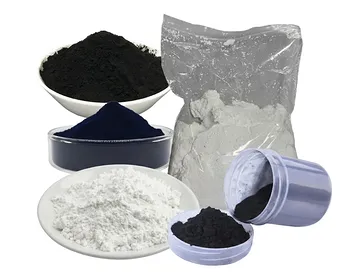
Battery Lab Consumables & Materials
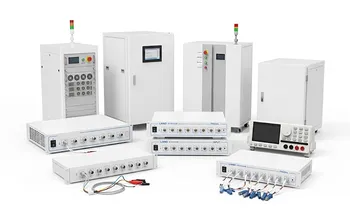
Battery Testing & Electrochemical Equipment

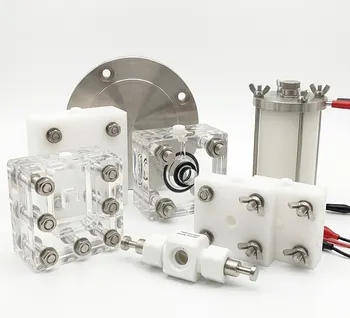
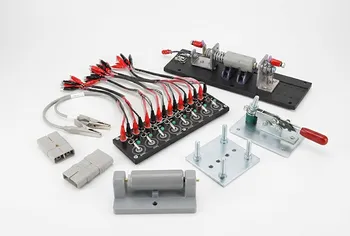
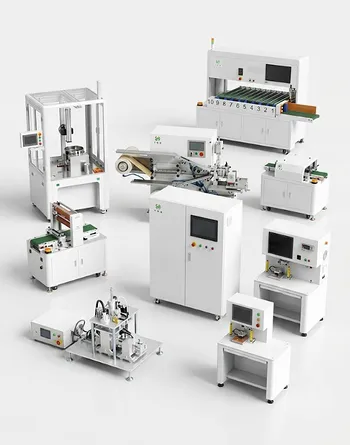
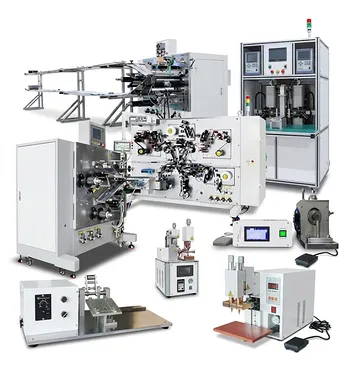
Cell Assembly & Filling Equipment
Products

Manual Cold Isostatic Pressing CIP Machine Pellet Press
Item Number: PCIM

Electric Lab Cold Isostatic Press CIP Machine
Item Number: PCIE

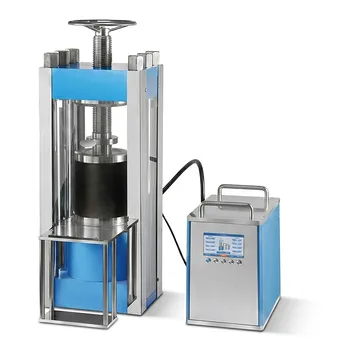
Automatic Lab Cold Isostatic Pressing CIP Machine
Item Number: PCIA

Electric Split Lab Cold Isostatic Pressing CIP Machine
Item Number: PCESI

Special Shape Lab Press Mold for Laboratory Applications
Item Number: PMT

XRF KBR Steel Ring Lab Powder Pellet Pressing Mold for FTIR
Item Number: PMXS

Lab XRF Boric Acid Powder Pellet Pressing Mold for Laboratory Use
Item Number: PMXB

Carbide Lab Press Mold for Laboratory Sample Preparation
Item Number: PMW

Assemble Square Lab Press Mold for Laboratory Use
Item Number: PMAS

Assemble Lab Cylindrical Press Mold for Laboratory Use
Item Number: PMAC

Lab Cylindrical Press Mold for Laboratory Use
Item Number: PMC

Square Lab Press Mold for Laboratory Use
Item Number: PMS

Lab Isostatic Pressing Molds for Isostatic Molding
Item Number: PIPM
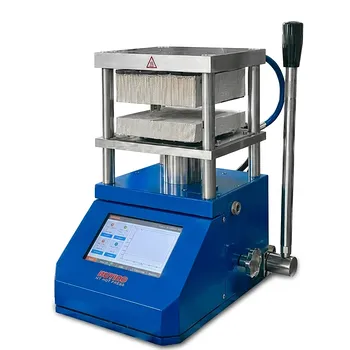
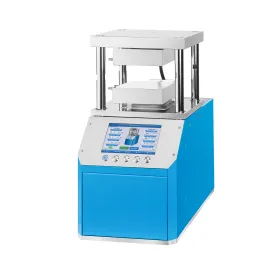
Manual Hot Press Digital Dual-Zone Heating Precision Laboratory Press
Item Number: XP05
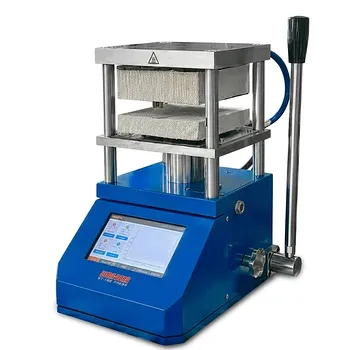
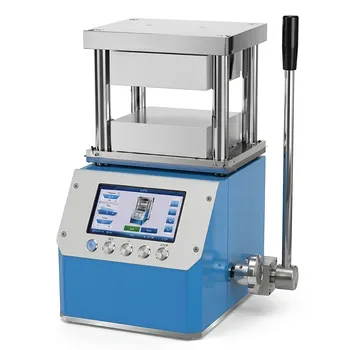
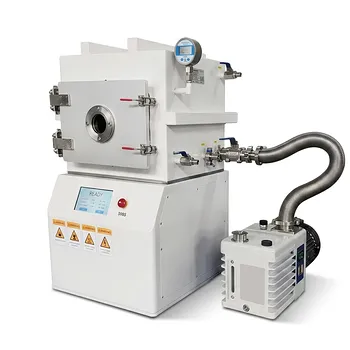
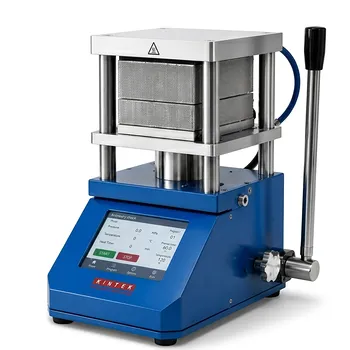
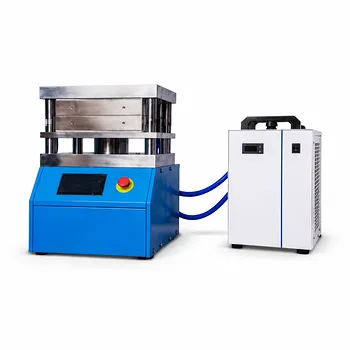
Automatic 10 Ton 300°C Large Opening Water Cooled Laboratory Hot Press
Item Number: XP90
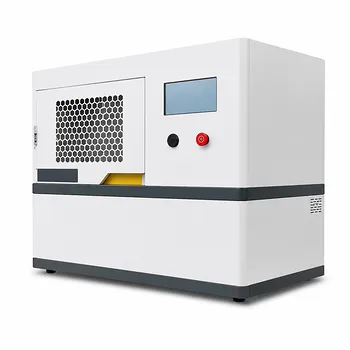
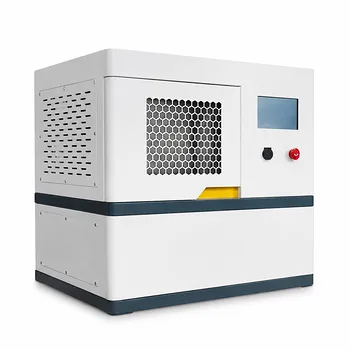
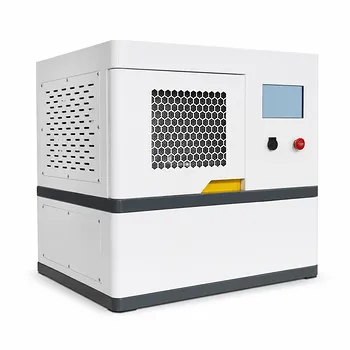
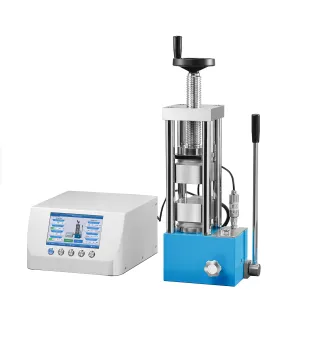
Solid State Battery Research Laboratory Hydraulic Hot Press Machine
Item Number: MY11

Solid State Battery Laboratory Hydraulic Hot Press
Item Number: MY13
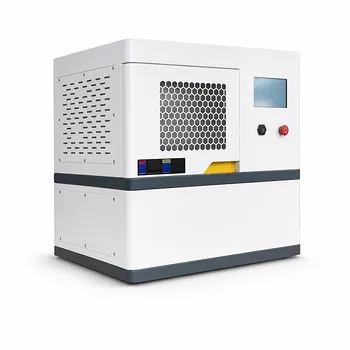
Solid State Battery Research Laboratory Hydraulic Hot Press Machine
Item Number: MY14
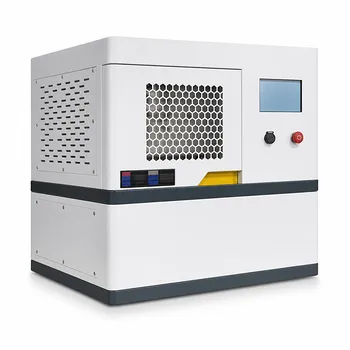
Solid-State Battery Research Laboratory Hydraulic Hot Press Machine
Item Number: MY19
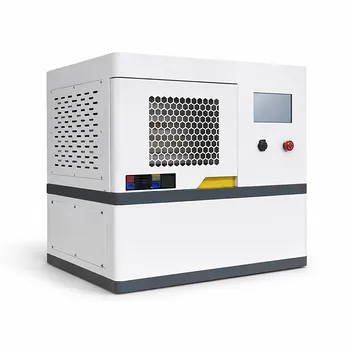
Solid-State Battery Research Laboratory Hydraulic Hot Press
Item Number: MY20
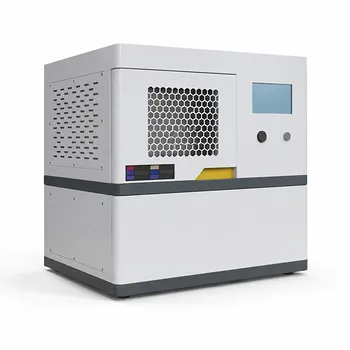
Solid State Battery Research Laboratory Hydraulic Hot Press Machine
Item Number: MY22
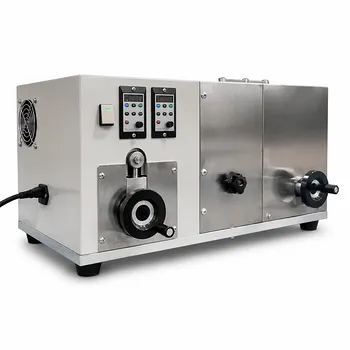
18650 21700 Series Laboratory Cylindrical Battery Case Opening Machine
Item Number: YZ20
REQUEST A QUOTE
Our professional team will reply to you within one business day. Please feel free to contact us!
Related Articles
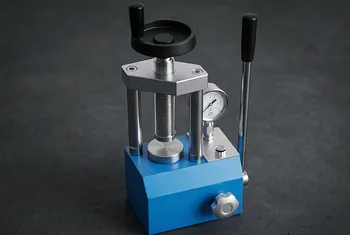
The Geometry of Pressure: Why Precision Hot-Pressing is a Science of Limits
Explore the critical role of high-temperature pressure sensing and precision pressing in composite manufacturing, from matrix impregnation to avoiding structural failure.
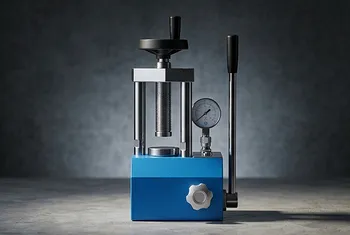
The Silent Geometry of Density: Why Isotropic Pressure is the Soul of Advanced Ceramics
Explore how Cold Isostatic Pressing (CIP) solves the hidden internal stresses of alumina ceramics to ensure defect-free sintering and superior material density.
The Physics of Purity: Why Floating Dies and Wall Lubrication Define Titanium Powder Performance
Explore how floating dies and die wall lubrication work synergistically to eliminate density gradients and chemical contamination in Ti-3Al-2.5V powder metallurgy.
The Paradox of Pressure: Why 10 MPa Outperforms Force in Alumina Sintering
Discover why moderate pressure (10 MPa) is superior to high force in hot-pressing platelet alumina, preventing pore expansion and ensuring optical clarity.

The Architecture of Contact: Why 360 MPa is the Threshold of Truth in Battery Research
Discover why high-pressure molding is essential for cathode conductivity testing. Learn how eliminating interstitial voids reveals the intrinsic potential of battery materials.
The Architecture of Uniformity: Why Omnidirectional Pressure Defines Ceramic Destiny
Explore how Cold Isostatic Pressing (CIP) eliminates internal density gradients in 10NiO-NiFe2O4 composite ceramics to ensure survival in high-corrosion environments.

The Calculus of Cross-linking: Why Precision Is the Only Variable That Matters in Rubber Composites
An exploration of the systemic necessity of precision in rubber molding, from eliminating microscopic voids to governing the chemical kinetics of vulcanization.
The Mechanical Handshake: The Invisible Architecture of Room-Temperature Pressing
Discover how room-temperature pressing acts as the critical mechanical foundation for lignin-fiber integration, ensuring structural integrity before thermal consolidation.
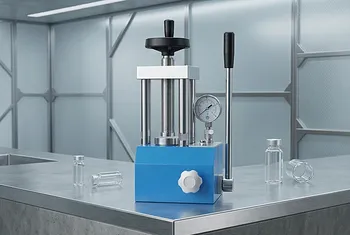
The Isotropic Imperative: Why Uniform Pressure Defines the Life of a Superconductor
Explore how Cold Isostatic Pressing (CIP) eliminates internal density gradients in Bi2212 substrates to ensure structural integrity and maximum current density.
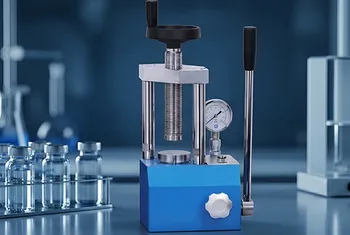
The Thin Line of Efficiency: Why Precision Pressing Dictates Thermal Performance
Discover how laboratory pressing optimizes thermal interface thickness and filler orientation to maximize the COP of TEC and PCM composite systems.
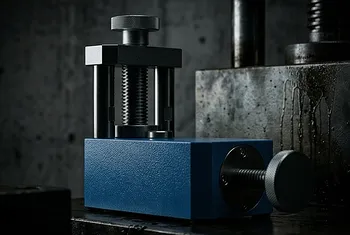
The Architecture of Contact: Why 400 MPa is the Bridge to Solid-State Batteries
Explore the critical role of ultra-high pressure in solid-state fluoride-ion battery assembly and how mechanical interlocking overcomes interfacial resistance.

The Geometry of Silence: Why Flexibility is the Ultimate Precision in Ti-6Al-4V Pressing
Explore the critical role of flexible rubber molds in isostatic pressing. Learn how they eliminate density gradients and protect Ti-6Al-4V alloy integrity.

The Architecture of Elasticity: How Thermal Compression Defines the Truth of EPDM
Discover how precise thermal and hydraulic control transforms raw EPDM into standardized test specimens, ensuring data integrity in material science.
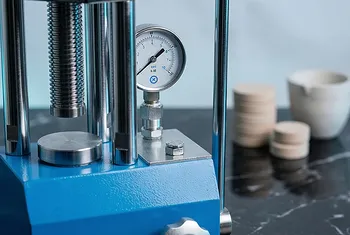
The Architecture of Contact: Why Density is the Destiny of Advanced Ceramics
Explore how laboratory presses transform LSTH powder into 98% dense ceramics by mastering the physics of particle arrangement and pressure control.

The Geometry of the Invisible: Forging Molecular Order in Cellulose Tribenzoate
Discover how high-performance hydraulic molding bridge the gap between liquid casting and crystalline precision in CTBe oriented films for chiral recognition.
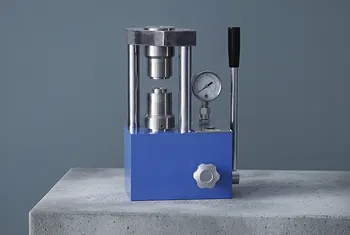
The Discipline of the Form Factor: Why Precision Assembly Dictates the Fate of Cellulose Membranes
An exploration of how standardized CR2032 assembly isolates the electrochemical performance of cellulose composite membranes (CCM) from mechanical noise.
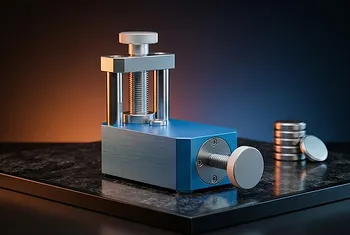
The Geometry of Contact: Why the 400 MPa Barrier Defines the Future of Solid-State Batteries
An exploration of why extreme pressure is the critical catalyst for solid-state battery performance, bridging the gap between discrete powders and unified energy systems.
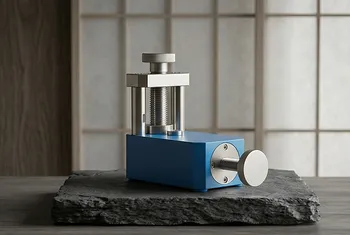
The Architecture of the Interface: Why Ionic Conductivity Lives and Dies in the Press
Discover how laboratory hydraulic and isostatic presses eliminate grain boundary resistance to unlock the true electrochemical potential of fast ion conductors.
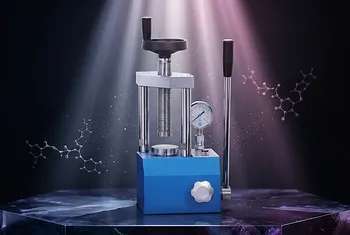
The Architecture of the Quench: Managing PLA’s Molecular Memory
Discover why immediate cold pressing is the critical "thermal lock" for PLA sheets, ensuring dimensional precision and molecular stability in laboratory pressing.
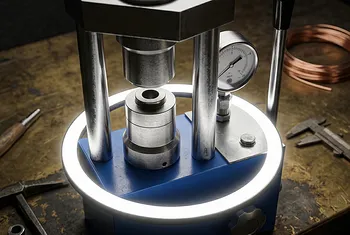
The Architecture of Pressure: How Molds and Barriers Define Composite Success
An exploration of the structural and interfacial mechanics of hot pressing, focusing on the synergy between stainless steel molds and Teflon release paper.