Choose your preferred way to connect with our team
Response Time
Within 8 hours on working days, 24 hours on holidays
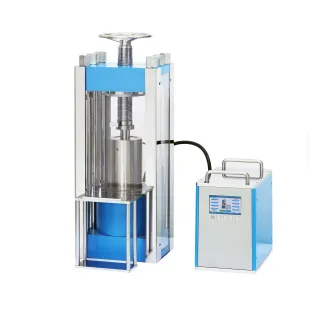
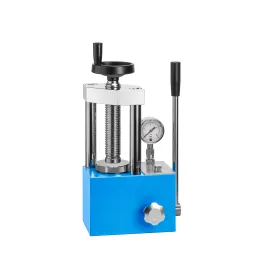
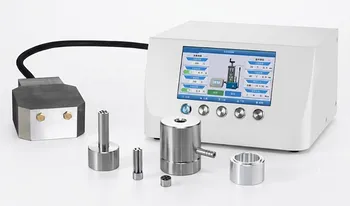
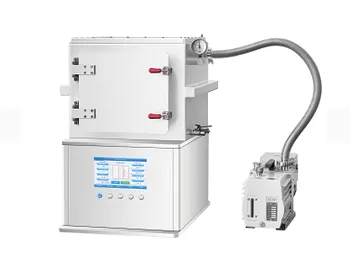
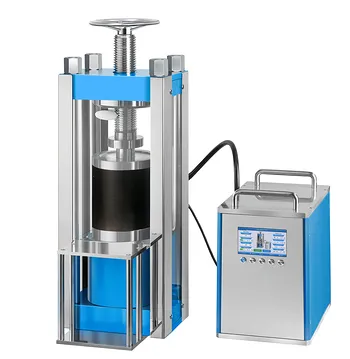
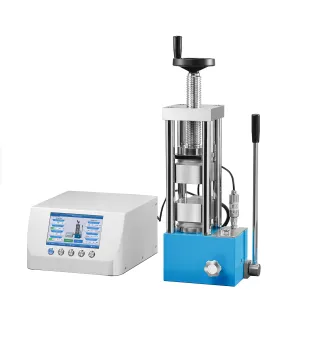
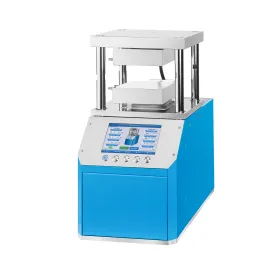
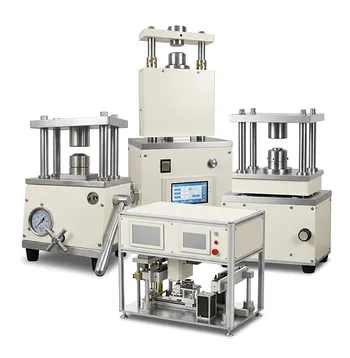
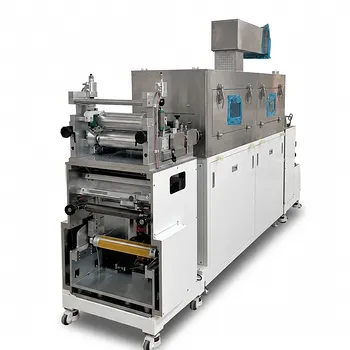
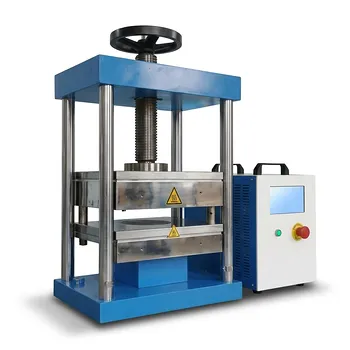
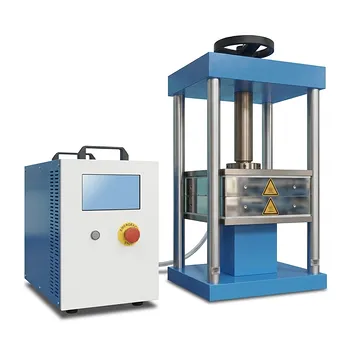
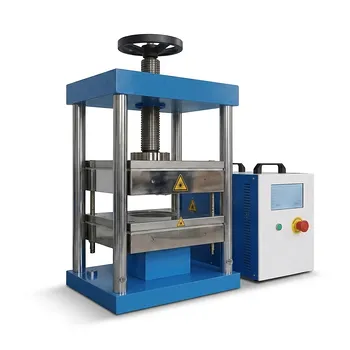
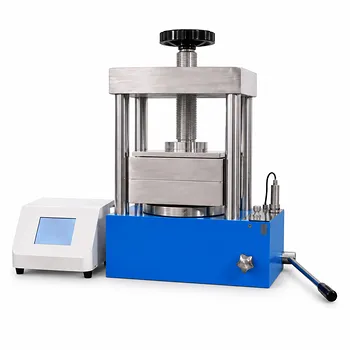
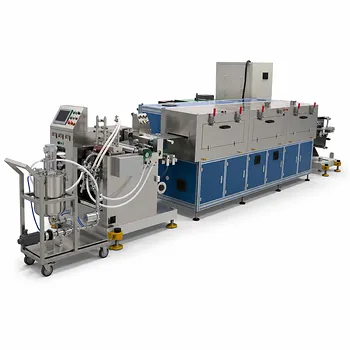
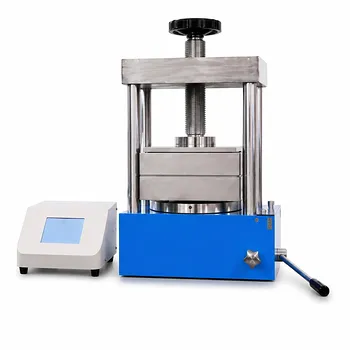
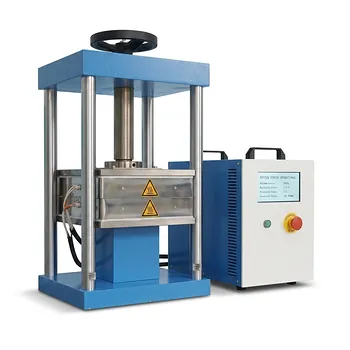
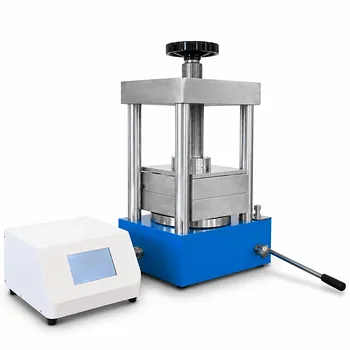
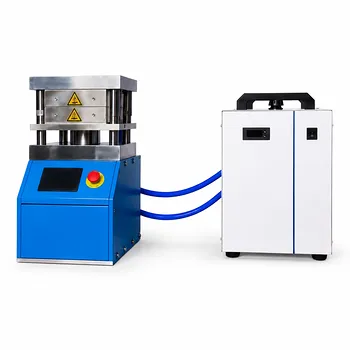
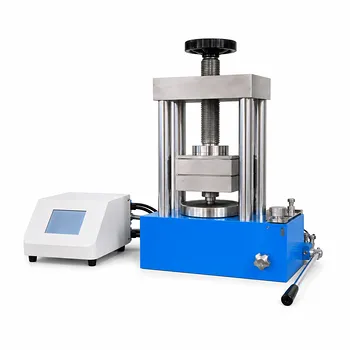
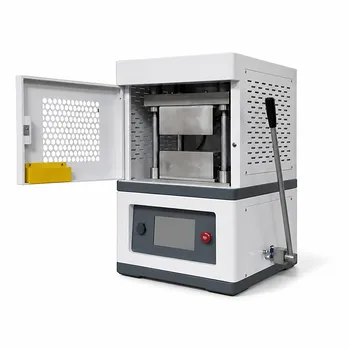
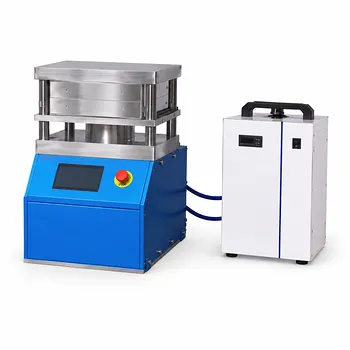
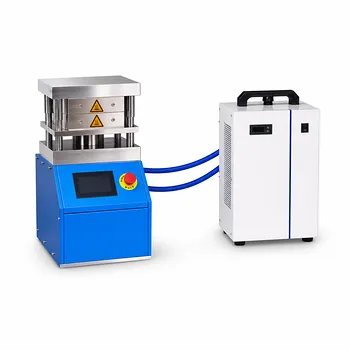
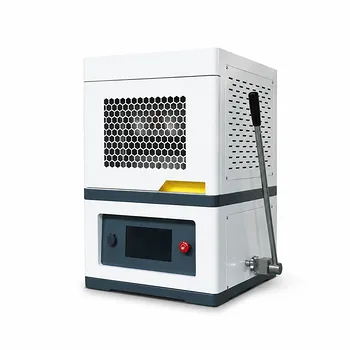
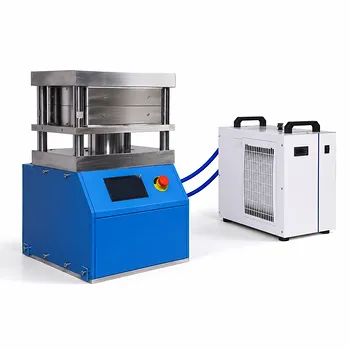
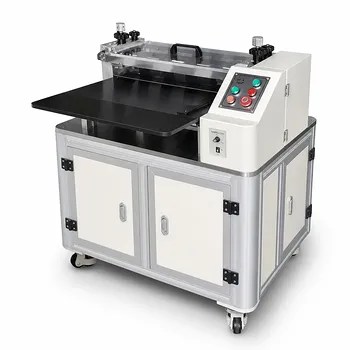
Our laboratory presses, for diverse sample preparation and material processing, include Manual or Automatic Laboratory Press, Laboratory Heated Press, Cold Isostatic Press, and Warm Isostatic Press.
Item Number: KT-KBP
Item Number: PCF
Item Number: PMT
Item Number: PMXP
Item Number: XP01
Item Number: XP05
Item Number: XP06
Item Number: XP12
Item Number: XP13
Item Number: XP20
Item Number: XP26
Our professional team will reply to you within one business day. Please feel free to contact us!
Discover why high-precision hydraulic pressing is essential for NiO-doped polymer composites to eliminate micro-voids and ensure accurate material testing.
Discover how high-performance hydraulic molding bridge the gap between liquid casting and crystalline precision in CTBe oriented films for chiral recognition.
An exploration of how standardized CR2032 assembly isolates the electrochemical performance of cellulose composite membranes (CCM) from mechanical noise.
An exploration of why extreme pressure is the critical catalyst for solid-state battery performance, bridging the gap between discrete powders and unified energy systems.
Discover how laboratory hydraulic and isostatic presses eliminate grain boundary resistance to unlock the true electrochemical potential of fast ion conductors.
Discover how electric heating plate presses transform raw SBR into high-performance composites by managing the delicate balance of heat, pressure, and time.
Discover why immediate cold pressing is the critical "thermal lock" for PLA sheets, ensuring dimensional precision and molecular stability in laboratory pressing.
An exploration of the structural and interfacial mechanics of hot pressing, focusing on the synergy between stainless steel molds and Teflon release paper.
Explore the systemic importance of heated hydraulic presses in rubber vulcanization, balancing thermal energy and mechanical force to ensure material integrity.
Explore the physics of biocoke densification through high-pressure laboratory hydraulic presses, focusing on particle rearrangement, plastic deformation, and thermal bonding.
Explore how Boron Nitride-coated steel plates prevent material fusion, ensure chemical purity, and protect system integrity during high-temperature pressing cycles.
Geopolymer foam production demands a delicate balance of chemical resistance and physical rigidity. Discover how high-strength stainless steel molds eliminate hidden research costs.
Explore the technical limitations of isostatic pressing for LTCC structures and how to balance material density with structural integrity in microfluidic design.
Explore the physics of wood surface densification via THM treatment, focusing on the critical role of heated platens in achieving glass transition and cell collapse.
Explore how servo-controlled laboratory presses isolate chemical degradation from manufacturing flaws to provide definitive durability metrics for geopolymers.
Discover how automatic hydraulic presses eliminate experimental noise in HEA synthesis by standardizing green body density and structural integrity.
Discover how the synchronization of heat and pressure in a vulcanizing press transforms raw fluoroelastomer compounds into high-performance 3D molecular networks.
Explore how optimizing graphite mold cross-sections uses Joule heating to solve thermal gradients in large-aspect-ratio ceramic sintering.
Discover how electric heated laboratory presses eliminate physical variables in rubber specimens to ensure uniform radiation cross-linking and repeatable results.
Explore the critical role of electric heating plate presses in rubber vulcanization, from molecular cross-linking to ensuring structural integrity in material science.