Optimizing the geometric cross-section of graphite molds allows for precise control over heat distribution by manipulating electrical resistance. In the preparation of hollow cylindrical ceramics with a large aspect ratio, thinning the middle sections of the mold and core increases Joule heating in those specific areas. This localized heat boost compensates for natural heat loss at the mold edges, ensuring a uniform temperature gradient and consistent material properties throughout the sintered body.
Core Takeaway: By strategically thinning the graphite mold's cross-section, manufacturers can utilize electrical resistance to "tune" heat generation, effectively eliminating the thermal imbalances that typically plague large-aspect-ratio ceramic components.
The Relationship Between Geometry and Heat Generation
Increasing Localized Electrical Resistance
The fundamental principle behind this optimization is the relationship between cross-sectional area and electrical resistance. When the geometric cross-section of the graphite outer mold and inner core is thinned, the path for the electrical current is restricted.
This restriction naturally increases the electrical resistance in the middle section of the mold assembly. According to the laws of Joule heating, higher resistance in a specific area results in greater heat generation when a current is applied.
Compensating for Edge Heat Loss
In large aspect ratio cylinders, the top and bottom edges of the mold are often subject to significant heat dissipation through contact with electrodes or radiation to the environment. This typically leaves the center of the mold cooler than the ends, or creates a sharp thermal decline toward the edges.
Thinning the center of the mold acts as a thermal "booster." The extra Joule heating generated in the thinned middle section offsets the energy lost at the edges, creating a more balanced thermal environment.
Impact on Sintered Material Quality
Reducing the Temperature Gradient
The primary benefit of this design is the dramatic reduction of the temperature gradient across both the height and the radius of the ceramic. Without optimization, the center of a long cylindrical body might under-sinter while the edges reach the target temperature.
A uniform temperature field ensures that the entire ceramic body experiences the same thermal history. This is critical for achieving a homogeneous microstructure in materials like zinc oxide.
Achieving Uniform Material Properties
When the temperature gradient is minimized, the resulting ceramic exhibits consistent density and mechanical strength across its entire volume. For hollow cylinders with large aspect ratios, this prevents warping, internal stresses, and localized defects.
Uniform heating ensures that grain growth and densification occur at the same rate. This leads to predictable performance in the final component, which is vital for industrial and technical applications.
Understanding the Trade-offs
Mechanical Integrity of the Mold
While thinning the cross-section improves thermal performance, it inherently reduces the structural strength of the graphite mold. Because sintering often involves high pressures, an overly thinned mold may crack or deform under load.
Engineers must find the "sweet spot" where the mold is thin enough to provide the necessary resistance but thick enough to withstand compressive forces.
Complexity in Mold Design
Implementing varying cross-sections increases the complexity of mold fabrication. It requires precise machining and careful calculation of the resistance profile to ensure the heat boost perfectly matches the expected heat loss.
Inaccurate thinning can lead to "hot spots," where the middle of the ceramic becomes over-sintered or even melts, reversing the problem of thermal gradients.
How to Apply This to Your Project
Recommendations for Implementation
- If your primary focus is Maximum Density Uniformity: Focus on thinning the inner core as well as the outer mold to ensure heat penetrates the inner walls of the hollow cylinder.
- If your primary focus is Mold Longevity: Use a more conservative thinning approach and compensate for the remaining gradient by slightly increasing the overall sintering hold time.
- If your primary focus is High Aspect Ratio Stability: Prioritize a tapered cross-section design that gradually increases in thickness toward the pressure-bearing ends of the mold.
By mastering the geometry of the graphite assembly, you can transform the mold from a simple container into an active thermal management tool.
Summary Table:
| Feature | Optimization Mechanism | Benefit to Ceramic Quality |
|---|---|---|
| Middle Section Thinning | Increases electrical resistance and Joule heating | Compels uniform temperature distribution |
| Resistance Tuning | Offsets natural heat loss at mold edges | Prevents under-sintering in the center |
| Cross-section Design | Minimizes thermal gradients | Ensures homogeneous microstructure and density |
| Geometry Control | Balances heat generation vs. dissipation | Reduces internal stresses and material defects |
Unlock Precision in Your Material Research with KINTEK
Achieving perfect thermal uniformity requires the right tools. KINTEK specializes in comprehensive laboratory pressing solutions tailored for advanced material science and battery research. Whether you need manual, automatic, heated, or multifunctional models, or specialized cold and warm isostatic presses, our equipment is designed to meet the rigorous demands of high-aspect-ratio ceramic preparation.
Ready to enhance your lab's capabilities and ensure consistent sintered results? Contact our experts today to find the ideal pressing solution for your project!
References
- А. К. Ахмедов, V. М. Kanevsky. Fabrication of Segments for ZnO-Based Tube Ceramic Targets by the Spark Plasma Sintering Method. DOI: 10.3390/ceramics6030080
This article is also based on technical information from Kintek Solution Knowledge Base .
Related Products
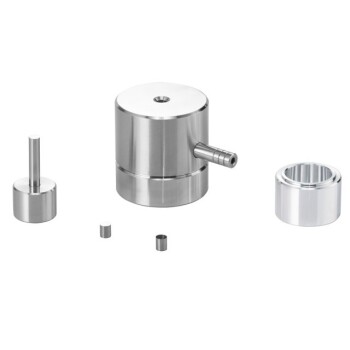
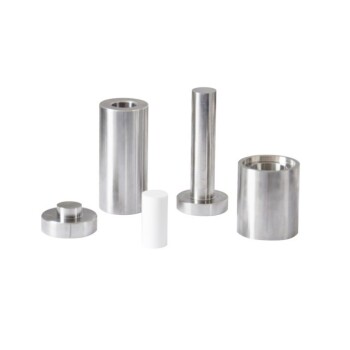
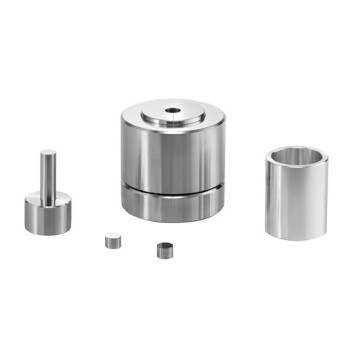
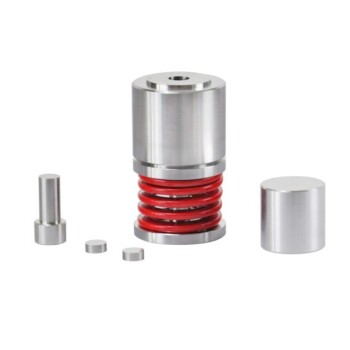
- Lab Cylindrical Press Mold for Laboratory Use
- Lab Cylindrical Press Mold with Scale
- Assemble Lab Cylindrical Press Mold for Laboratory Use
- Cylindrical Lab Electric Heating Press Mold for Laboratory Use
- Lab Round Bidirectional Press Mold
People Also Ask
- What is the purpose of incorporating cartridge heaters into a lab press mold for MLCC block compression? Optimize Results
- What is the function of a pressing tool in thermoplastic panels? Master Precision Shaping & Fusion Bonding
- Why is precise cooling management of the lab press mold necessary? Protect Core Integrity in Thermoforming
- Why is a high-performance laboratory molding press critical for in-situ electrolyte formation? Unlock Battery Success
- How does the geometry of laboratory molds influence mycelium-based composites? Optimize Density and Strength