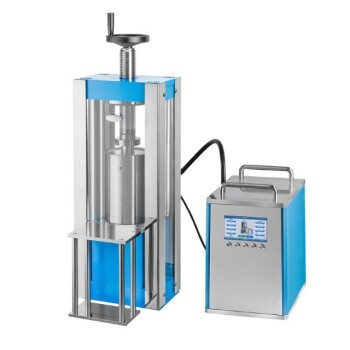
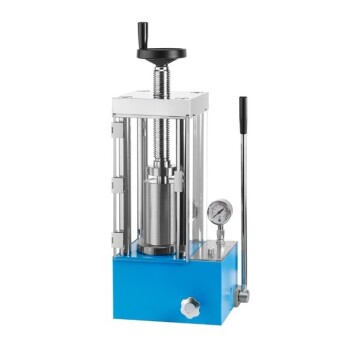
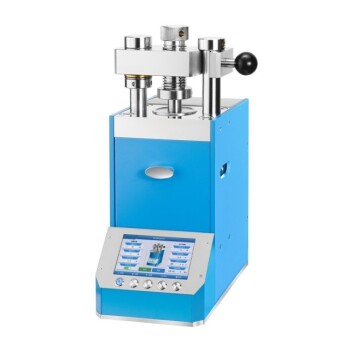
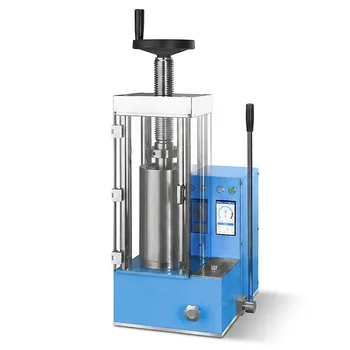
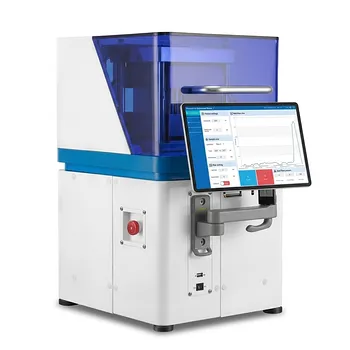
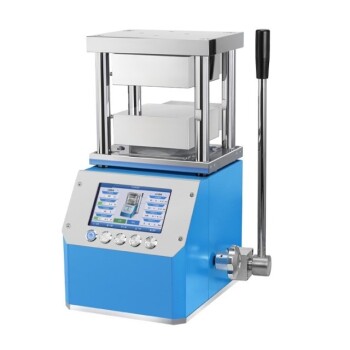
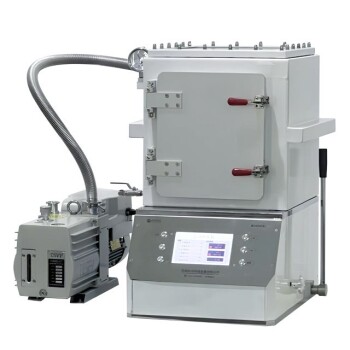
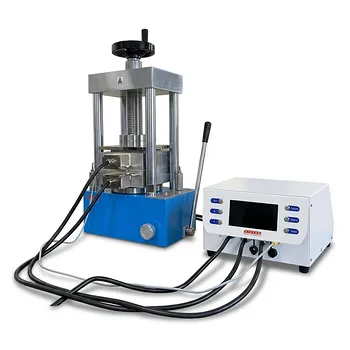
Isostatic pressing technology serves as a cornerstone in battery research and manufacturing by applying uniform pressure to materials to achieve exceptional density and structural integrity. In the energy storage sector, cold and warm isostatic presses are used to consolidate powders into high-performance components that are free from the internal stresses typical of traditional mechanical pressing.
Isostatic pressing ensures that energy storage materials reach their maximum theoretical density through omnidirectional pressure. This uniformity is essential for eliminating structural defects and optimizing the electrochemical performance of next-generation battery components.
Achieving Material Uniformity through Isostatic Pressing
The Role of Cold Isostatic Pressing (CIP)
Cold Isostatic Pressing (CIP) involves compacting powders at room temperature using a liquid medium to apply pressure equally from all sides. In battery research, this method is used to create "green" compacts—raw material structures that possess uniform density before they undergo further thermal processing.
Because the pressure is omnidirectional, CIP prevents the uneven density distributions often found in traditional die pressing. This results in more predictable material behavior during the sintering process and a more robust final product.
Enhancing Performance with Warm Isostatic Pressing (WIP)
Warm Isostatic Pressing (WIP) builds upon the principles of CIP by adding heat to the pressing process. By consolidating materials at elevated temperatures, WIP allows for the better flow of binders and particles, leading to superior material properties.
The use of a warm medium is particularly effective at removing trapped gases and impurities from the powdered material. This decontamination process is vital for high-quality energy storage components, as it reduces the risk of internal voids that could lead to battery failure.
Application in Solid-State Battery Development
Both CIP and WIP are instrumental in the development of solid-state electrolytes. These materials require perfect contact between the electrolyte and the electrodes to facilitate efficient ion transport.
Isostatic pressing provides the high-pressure environment needed to fuse these layers together without damaging the delicate microstructure. This ensures the structural integrity required for the battery to withstand hundreds of charge-discharge cycles.
Understanding the Trade-offs
Process Complexity and Cost
While isostatic pressing delivers superior uniformity, it is generally slower than mechanical die pressing. The need for specialized flexible tooling and pressure vessels increases the capital investment and the time required for each production cycle.
Temperature and Medium Management
WIP introduces additional complexity because the temperature of the fluid medium must be precisely controlled. Managing the thermal expansion of the material and the medium requires sophisticated equipment, making WIP more expensive and technically demanding than CIP.
Choosing the Right Pressing Method for Battery Research
Selecting the appropriate pressing technology depends on the specific requirements of the material and the desired stage of development.
- If your primary focus is achieving high green density at low cost: Use Cold Isostatic Pressing to create uniform powder compacts for initial testing and sintering.
- If your primary focus is eliminating impurities and trapped gases: Utilize Warm Isostatic Pressing to leverage heat and pressure for a cleaner, more consolidated material structure.
- If your primary focus is optimizing solid-state interfaces: Apply WIP to ensure maximum surface contact between layers through the combined effect of thermal softening and uniform pressure.
By mastering these pressing techniques, researchers can unlock the full potential of advanced energy storage materials and move closer to high-capacity, long-lasting battery solutions.
Summary Table:
| Feature | Cold Isostatic Pressing (CIP) | Warm Isostatic Pressing (WIP) |
|---|---|---|
| Temperature | Room Temperature | Elevated Temperatures |
| Primary Goal | Uniform "green" density | Binder flow & impurity removal |
| Main Advantage | Low cost, simple process | Superior interface contact |
| Best Application | Initial powder compaction | Solid-state battery development |
Elevate Your Battery Research with KINTEK Precision
Maximize the performance of your energy storage materials with KINTEK’s comprehensive laboratory pressing solutions. Whether you are developing next-generation solid-state electrolytes or optimizing powder compacts, our range of equipment—including manual, automatic, heated, multifunctional, and glovebox-compatible models—is engineered to meet the strictest research standards.
Our specialized cold and warm isostatic presses are widely applied in battery research to help you achieve maximum theoretical density and structural integrity.
Ready to optimize your lab’s efficiency? Contact our experts today to find the perfect pressing solution for your application!
References
- Rafael Brisolla OBARA, Luis Chaves. Motores a Hidrogênio de Alta Durabilidade: Um Estudo Comparativo entre Ferros Fundidos e Aços. DOI: 10.5151/simea2025-pap56
This article is also based on technical information from Kintek Solution Knowledge Base .
Related Products
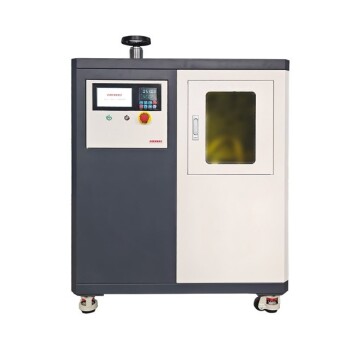
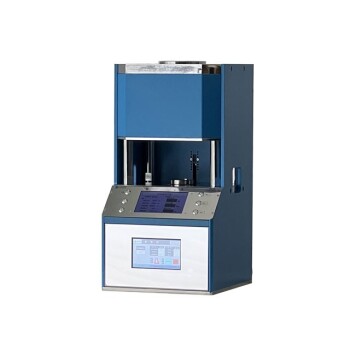
- Warm Isostatic Press for Solid State Battery Research Warm Isostatic Press
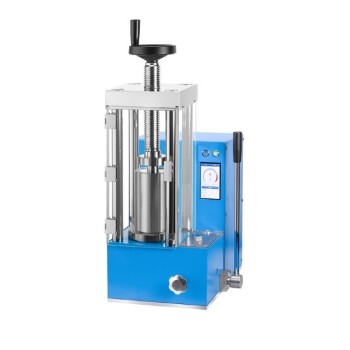
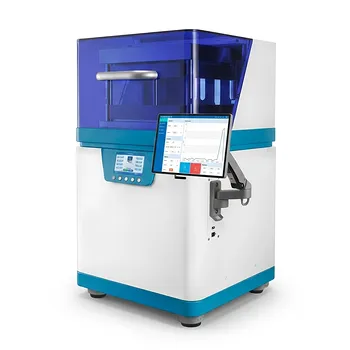
- Split Warm Isostatic Lab Press 200 Ton Powder Compaction Chamber for Battery Research and Material Science
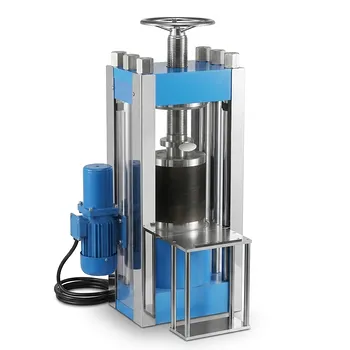
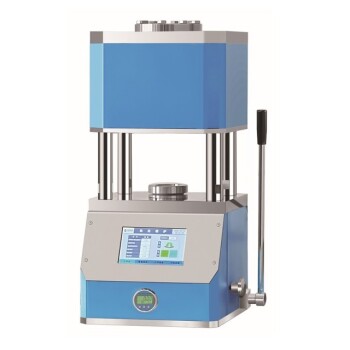
- Electric Lab Cold Isostatic Press CIP Machine
- Split Hot Isostatic Pressing Machine 150 Ton Laboratory Heated Isostatic Press
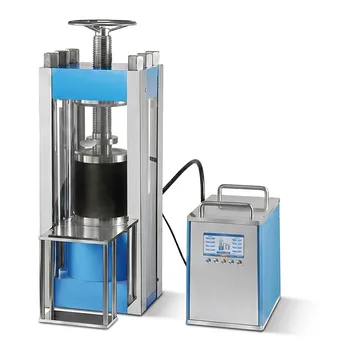
- Electric Split Lab Cold Isostatic Pressing CIP Machine
People Also Ask
- Why must composite cathodes be sealed in vacuum lamination bags for WIP? Ensure Battery Stability and Density
- How do sacrificial volume materials (SVM) maintain microchannels in isostatic pressing? Ensure Structural Integrity
- What is the function of elastic molds in warm isostatic pressing? Achieve Uniform Density in Composite Particles
- How does Warm Isostatic Pressing differ from traditional pressing methods? Unlock Uniform Density for Complex Parts
- What is the function of hydraulic pressure in warm isostatic pressing? Achieve Uniform Material Density