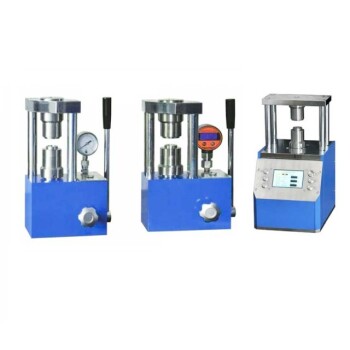
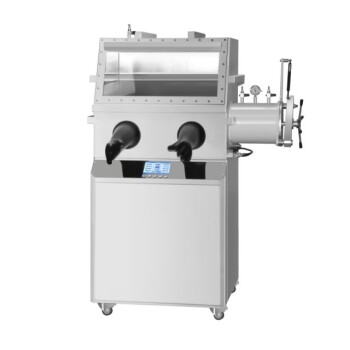
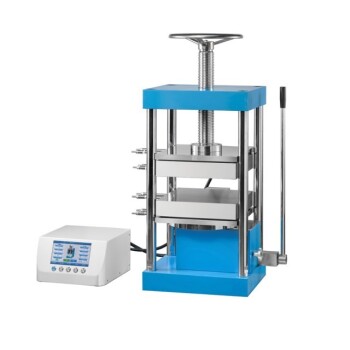
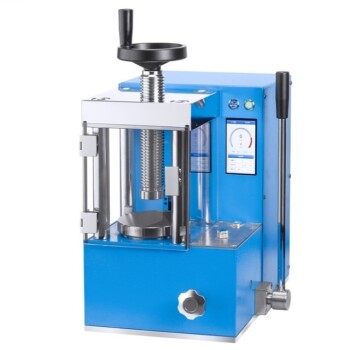
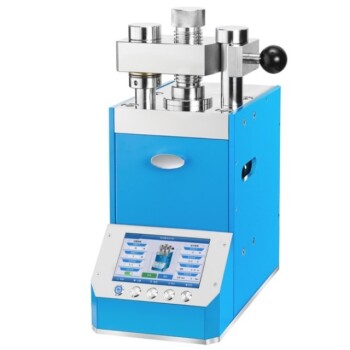
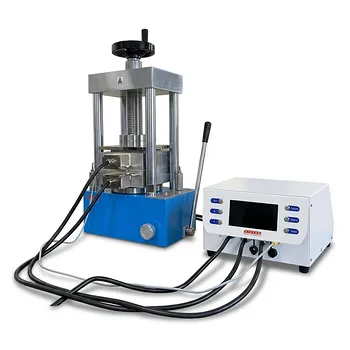
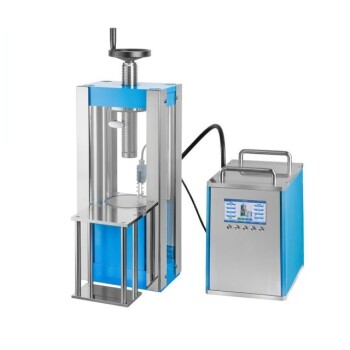
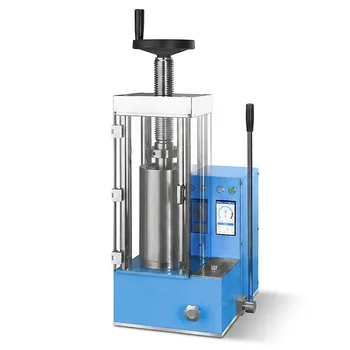
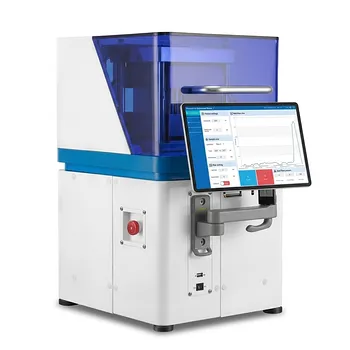
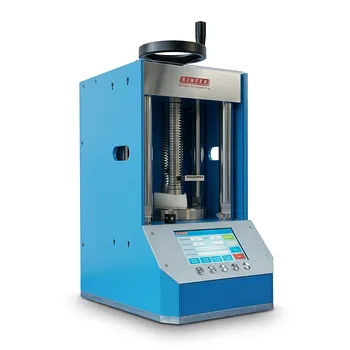
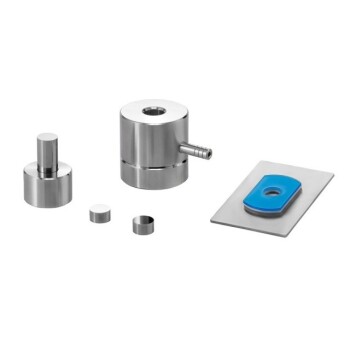
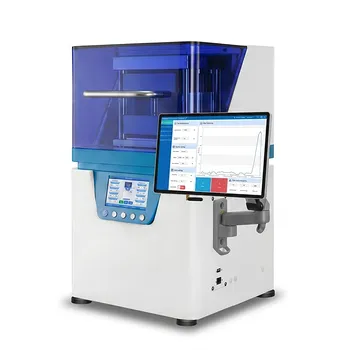
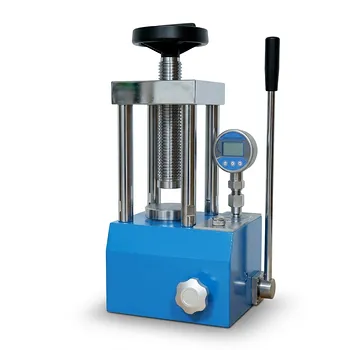
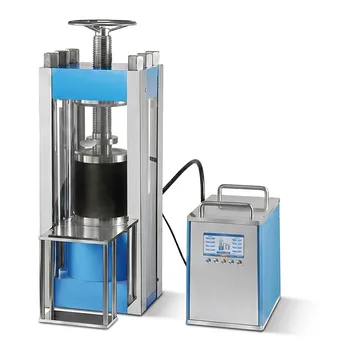
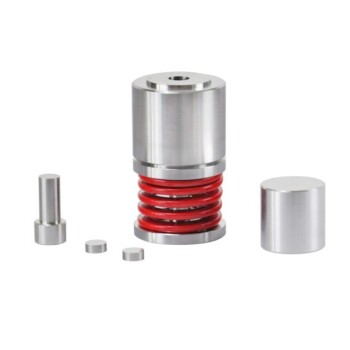
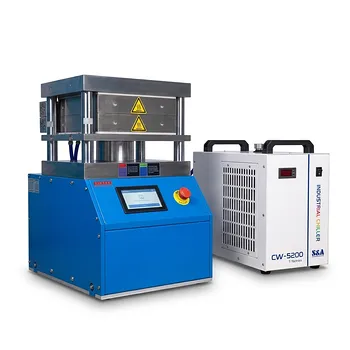
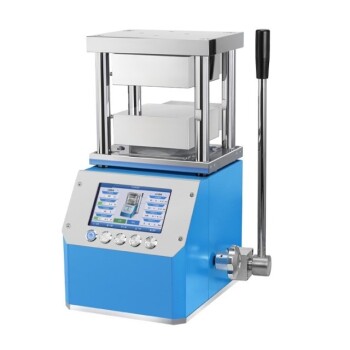
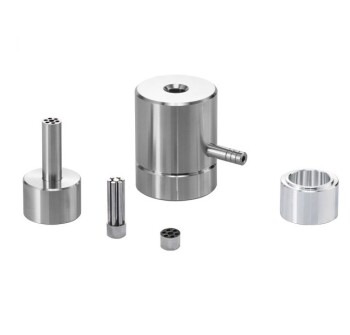
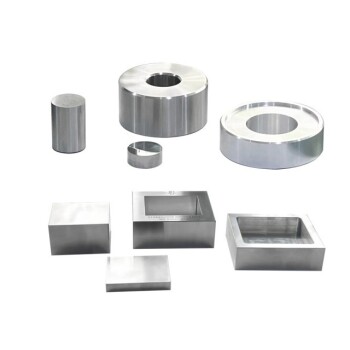
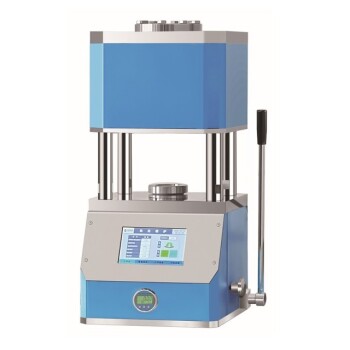
Laboratory pressing and rolling equipment are the primary tools for physical "cold-welding" diverse electrode components into a single, unified structure. In three-in-one integrated electrodes, these machines use high-precision linear pressure to fuse the catalyst layer, current collector, and diffusion layer into a cohesive unit. This process significantly increases interfacial bonding strength and reduces contact resistance, ensuring the electrode remains mechanically stable during long-term electrochemical cycling.
Core Takeaway: The role of pressing equipment extends beyond simple assembly; it is a precision regulator of the electrode’s internal micro-structure. By controlling compaction, the equipment optimizes the balance between electronic conductivity and ionic diffusion to maximize overall electrochemical performance.
Engineering Interfacial Bonding and Stability
Fusing Heterogeneous Materials
High-precision rolling equipment applies controlled pressure to physically integrate layers with different properties, such as carbon paper (catalyst layer), nickel mesh (current collector), and PTFE (gas-permeable layer). This mechanical fusion creates a robust "three-in-one" structure that simplifies the manufacturing process and prevents layer separation.
Enhancing Interfacial Contact
By compressing these layers together, the equipment eliminates microscopic gaps between the active materials and the current collector. This creates a "molecular-level interpenetration" that ensures a seamless path for electron flow throughout the electrode assembly.
Ensuring Mechanical Integrity
Strong interfacial bonding is critical for maintaining structural stability during the stresses of electrochemical cycling. The pressure applied during the rolling process prevents delamination, ensuring the electrode retains its shape and functionality over hundreds of cycles.
Optimization of Transport Kinetics and Density
Reducing Contact and Ohmic Resistance
The compaction provided by laboratory presses reduces the voids between particles and enhances electronic contact between active materials. This significantly lowers the equivalent series resistance (ESR) and ohmic internal resistance, which directly improves discharge capacity and charge collection efficiency.
Regulating Porosity and Tortuosity
Precise pressure control allows researchers to adjust the electrode's porosity to a target density (e.g., 3.0 g/cm³). This optimization decreases "ionic tortuosity," making it easier for ions to migrate through the electrode while still maintaining high volumetric energy density.
Balancing Energy and Power Density
Laboratory rolling equipment allows for the fine-tuning of the electrode architecture to meet specific goals. High compaction increases energy density by packing more material into a smaller volume, while controlled porosity ensures the power density remains high by facilitating rapid electrolyte infiltration.
Understanding the Trade-offs
The Risk of Over-Compaction
Excessive pressure can lead to "secondary particle breakage," where the active material granules are crushed, potentially leading to electrode degradation. Finding the "sweet spot" of pressure is essential to avoid destroying the very conductive networks the process is meant to enhance.
Balancing Permeability and Conductivity
While higher pressure improves electronic conductivity, it can also collapse the pores necessary for gas or liquid transport. In three-in-one electrodes, over-pressing the diffusion layer (GDL) can impede gas flow, effectively "suffocating" the catalyst layer and reducing the electrode's efficiency.
How to Apply This to Your Project
Recommendations Based on Research Goals
- If your primary focus is maximizing volumetric energy density: Use high linear pressure to achieve maximum compaction and reduce electrode thickness, ensuring the active material is packed to its theoretical limit.
- If your primary focus is high-rate power performance: Prioritize moderate pressure settings that reduce contact resistance without significantly increasing ionic tortuosity or closing off pore networks.
- If your primary focus is long-term mechanical cycling stability: Focus on the "lamination" aspect of the press to ensure deep interpenetration between the catalyst layer and the current collector to prevent delamination.
Effective use of laboratory pressing equipment transforms a loose collection of materials into a high-performance, integrated electrochemical engine.
Summary Table:
| Key Role | Technical Impact | Electrochemical Benefit |
|---|---|---|
| Heterogeneous Fusion | "Cold-welds" catalyst and current collector layers | Prevents delamination and structural failure |
| Interfacial Contact | Eliminates microscopic gaps and voids | Significantly lowers contact and ohmic resistance |
| Density Regulation | Controls porosity and compaction levels | Balances volumetric energy and power density |
| Mechanical Integrity | Ensures molecular-level interpenetration | Enhances long-term cycling stability |
Elevate Your Battery Research with KINTEK Precision Pressing
Unlock the full potential of your three-in-one electrode structures with KINTEK’s industry-leading laboratory pressing solutions. Whether you are focused on maximizing energy density or enhancing high-rate performance, our comprehensive range—including manual, automatic, heated, multifunctional, and glovebox-compatible models, alongside advanced cold and warm isostatic presses—provides the precision control needed for perfect interfacial bonding and optimized transport kinetics.
Don't let poor compaction limit your electrochemical performance. Contact KINTEK today to find the ideal pressing solution tailored for your advanced battery research!
References
- Feng Bian, Sujuan Hu. Self‐Activating Integrated Carbon‐Based Air Cathodes With <i>In Situ</i> Oxygen Functionalization for Durable and High‐Performance Metal–Air Batteries. DOI: 10.1002/cey2.70110
This article is also based on technical information from Kintek Solution Knowledge Base .
Related Products
- Laboratory Hydraulic Press Lab Pellet Press Button Battery Press
- Laboratory Hydraulic Press Lab Pellet Press Machine for Glove Box
- Laboratory Split Manual Heated Hydraulic Press Machine with Hot Plates
- Laboratory Hydraulic Pellet Press for XRF KBR FTIR Lab Press
- Automatic Laboratory Hydraulic Press for XRF and KBR Pellet Pressing
People Also Ask
- How is a laboratory hydraulic press used for HAP composite gels? Master Mineral Substrate Standardization
- What role does a laboratory hydraulic press play in reaction pellets? Optimizing Lunar Soil and Metal Fuel Density
- What role does a laboratory hydraulic press play in the preparation of piezoelectric ceramic discs for DC-PG? | KINTEK
- What role does a laboratory hydraulic press play in the assembly of all-solid-state battery test cells? Expert Guide
- Why is a laboratory hydraulic press required for PBAT and PLA sample preparation? Achieve Flawless Characterization