Laboratory pressing solutions for R&D range from basic manual units to advanced automated systems and specialized isostatic presses. These instruments apply precisely controlled static pressure and temperature to transform powdered raw materials into dense, uniform "green bodies" or test specimens. They are essential for material synthesis and quality evaluation in industries ranging from semiconductors and battery technology to polymers and pharmaceuticals.
The selection of a laboratory press is defined by the requirement for repeatable sample density, which is the foundational prerequisite for accurate downstream testing. By matching the pressing method to the specific material properties—such as air sensitivity or thermal requirements—researchers ensure the integrity of their experimental data.
Primary Categories of Laboratory Presses
Manual and Automatic Hydraulic Presses
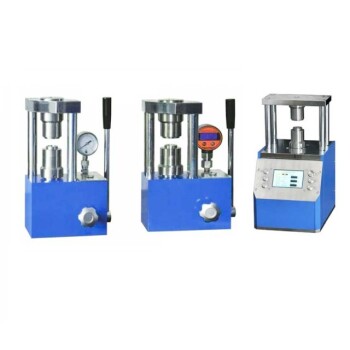
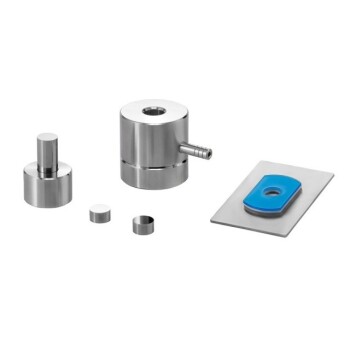
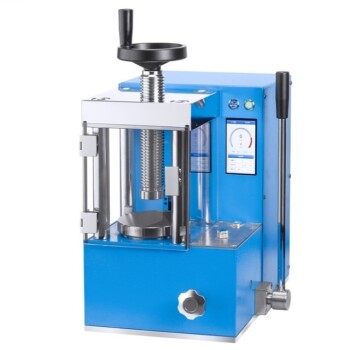
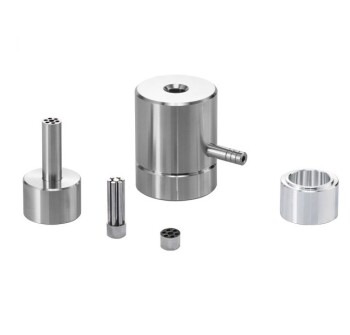
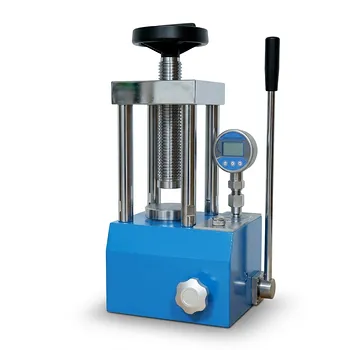
Manual presses are the entry-level solution for routine sample preparation, such as KBr pelletizing for FTIR spectroscopy. They rely on user-operated levers to generate pressure, making them suitable for educational settings or lower-frequency tasks.
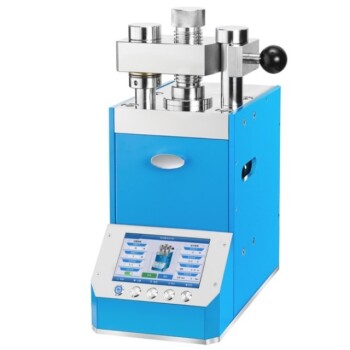
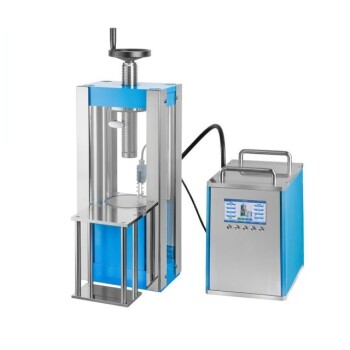
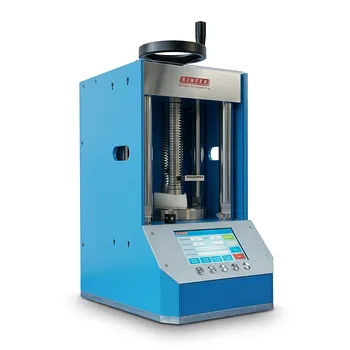
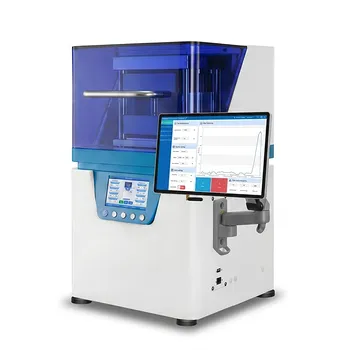
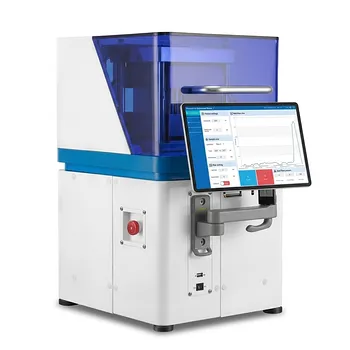
Automatic hydraulic presses provide programmable control over pressure and dwell time, eliminating human error. These systems are preferred for high-precision R&D where consistency across multiple samples is critical for statistical validity.
Heated and Multifunctional Presses
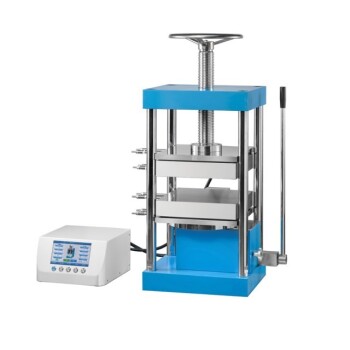
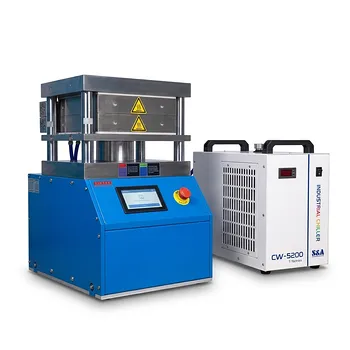
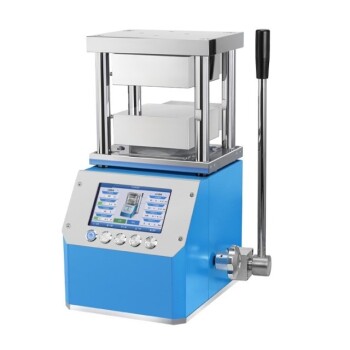
Heated presses incorporate integrated heating elements within the platens to facilitate the processing of thermoplastic resins and composites. This combination of heat and pressure allows materials to melt and flow into specific shapes or laminate layers.
Multifunctional models allow for the adjustment of both temperature and pressure profiles simultaneously. This versatility is vital for researchers working across various materials, including rubbers, textiles, and wood products.
Specialized Pressing Technologies for Advanced R&D
Isostatic Pressing Solutions
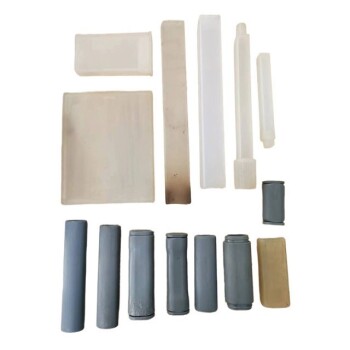
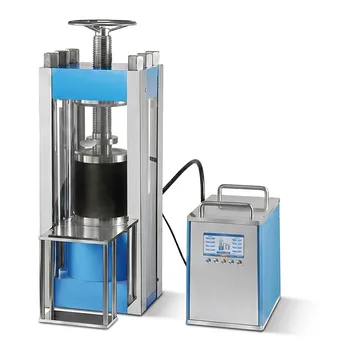
Cold Isostatic Presses (CIP) and Warm Isostatic Presses (WIP) apply pressure uniformly from all directions using a fluid medium. This process is essential for creating complex shapes with highly uniform density, which is difficult to achieve with uniaxial pressing.
These solutions are frequently used in advanced ceramics and metallurgy to prevent internal stresses and structural defects. They ensure that the "green body" has a consistent internal structure before it undergoes the sintering process.
Glovebox-Compatible and Compact Models
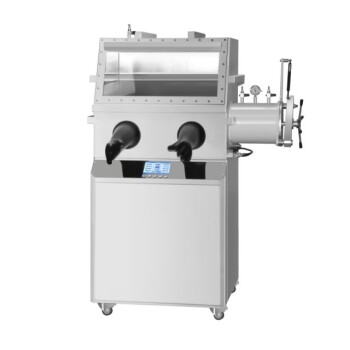
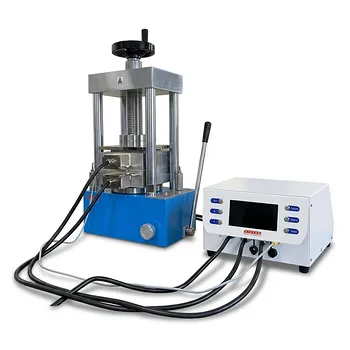
Sensitive materials, such as those used in Gallium Nitride (GaN), Silicon Carbide (SiC), or battery electrode research, often require an inert atmosphere. Specialized compact presses are designed to fit within the confined space of a glovebox to prevent oxidation or contamination.
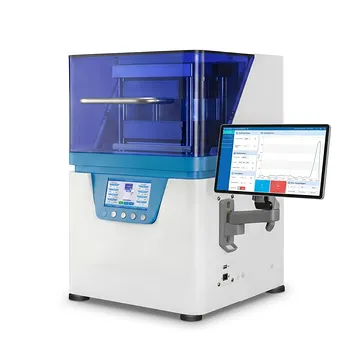
Benchtop units offer a space-saving alternative for laboratories with limited real estate. Despite their smaller footprint, these units can still provide the high-precision force necessary for technical ceramics and pharmaceutical research.
Understanding the Trade-offs
Repeatability vs. Capital Investment
While manual presses offer a lower initial cost, they introduce variables related to the operator's physical input. Automatic systems require a higher investment but guarantee that every sample is subjected to the exact same pressure profile, which is crucial for peer-reviewed research.
Benchtop vs. Floor-Standing Units
Benchtop models provide convenience and are suitable for small-scale pelletizing or thin-film lamination. However, floor-standing units are typically required when high tonnage (force) is necessary or when processing larger, industrial-scale specimens.
Throughput and User Intervention
For short production runs or lean manufacturing, automated presses reduce the labor burden and increase throughput. In contrast, manual systems are better suited for "one-off" experimental trials where the researcher needs tactile feedback during the compression cycle.
How to Apply This to Your Project
Matching the pressing solution to your specific material and environment ensures the quality of your research specimens and the reliability of your subsequent analysis.
- If your primary focus is air-sensitive materials: Select a compact, glovebox-compatible press to maintain a controlled atmosphere throughout the forming process.
- If your primary focus is structural uniformity in ceramics: Utilize Cold Isostatic Pressing (CIP) to achieve consistent density and minimize defects during sintering.
- If your primary focus is polymer or composite development: Choose a heated press with programmable temperature controls to manage the material's flow and curing characteristics.
- If your primary focus is high-precision semiconductor research: Invest in an automatic hydraulic press to ensure the exact repeatability of static pressure for materials like SiC or GaN.
Selecting the right pressing solution transforms raw powder into a high-quality specimen, providing the stable foundation necessary for breakthrough material discovery.
Summary Table:
| Press Type | Key Features | Best Used For |
|---|---|---|
| Manual Hydraulic | User-operated, cost-effective | Routine pelletizing, FTIR spectroscopy |
| Automatic Hydraulic | Programmable, high repeatability | High-precision R&D, statistical validity |
| Heated / Multi | Integrated heat & pressure | Thermoplastics, composites, lamination |
| Isostatic (CIP/WIP) | Uniform multi-directional pressure | Advanced ceramics, metallurgy, complex shapes |
| Glovebox-Compatible | Compact, inert atmosphere design | Battery research, air-sensitive materials (GaN/SiC) |
Elevate Your Material Research with KINTEK Pressing Solutions
Precision in sample preparation is the foundation of scientific breakthroughs. KINTEK specializes in comprehensive laboratory pressing solutions designed for the most demanding R&D environments. Whether you are stabilizing air-sensitive battery materials or synthesizing high-density ceramics, our diverse range ensures data integrity and repeatable results.
Our Advanced Solutions Include:
- Manual & Automatic Presses: Precision pelletizing for routine or rigorous testing.
- Heated & Multifunctional Models: Tailored for complex polymer flow and curing analysis.
- Glovebox-Compatible Units: Compact designs for processing sensitive materials in inert atmospheres.
- Cold & Warm Isostatic Presses: Essential for achieving uniform density in advanced battery and metallurgical research.
Don’t let inconsistent sample density compromise your data. Contact KINTEK today to find the ideal pressing solution for your lab and accelerate your material discovery!
References
- Rafael Brisolla OBARA, Luis Chaves. Motores a Hidrogênio de Alta Durabilidade: Um Estudo Comparativo entre Ferros Fundidos e Aços. DOI: 10.5151/simea2025-pap56
This article is also based on technical information from Kintek Solution Knowledge Base .
Related Products
- Laboratory Hydraulic Press Lab Pellet Press Machine for Glove Box
- Laboratory Hydraulic Press Lab Pellet Press Button Battery Press
- Automatic Laboratory Hydraulic Press for XRF and KBR Pellet Pressing
- Laboratory Split Manual Heated Hydraulic Press Machine with Hot Plates
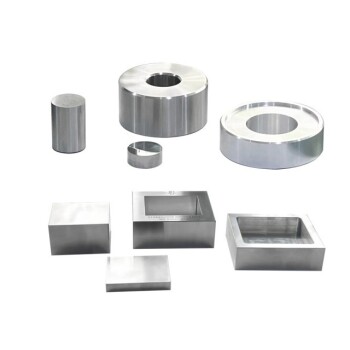
- Lab Infrared Press Mold for Laboratory Applications
People Also Ask
- How does a laboratory hydraulic press contribute to the preparation of Li3-3xScxSb samples? Optimize Ionic Conductivity
- What is the function of a laboratory hydraulic press in FT-IR of curcumin-coated MWCNTs? Achieve Optical Clarity.
- Why is a laboratory hydraulic press required for compression molding boron-siloxane? Solve High-Loading Density Challenges
- What role does a laboratory hydraulic press play in reaction pellets? Optimizing Lunar Soil and Metal Fuel Density
- What role does a laboratory hydraulic press play in the preparation of piezoelectric ceramic discs for DC-PG? | KINTEK