Specialty seal materials like Viton and Santoprene are the linchpins of hydraulic stability because they maintain their structural integrity under conditions that destroy standard elastomers. By offering superior resistance to extreme temperatures, high pressures, and corrosive fluids, these materials prevent the fluid leaks that lead to pressure loss and catastrophic component failure. Utilizing these high-performance materials is a critical strategy for extending the service life of pumps, valves, and cylinders.
Selecting advanced seal materials is a proactive investment in system reliability. By preventing chemical degradation and compression set, these materials ensure that hydraulic systems remain pressurized and leak-free, even in the most demanding industrial environments.
Resistance to Extreme Environments
High-Temperature Thermal Integrity
Standard seal materials often harden and become brittle when exposed to the intense heat generated within modern hydraulic systems.
Viton and Santoprene are specifically engineered to remain flexible at high temperatures, ensuring the seal maintains constant contact with mating surfaces.
This thermal resilience prevents the seal from cracking, which is a primary cause of internal and external fluid bypass.
Chemical Compatibility and Corrosion Resistance
Hydraulic fluids can be chemically aggressive, especially when using synthetic oils or specialized fire-resistant fluids.
Specialty materials provide an inert barrier that resists swelling, softening, or dissolving when in contact with corrosive agents.
This chemical stability ensures the seal's cross-section remains consistent, preserving the tight tolerances required for high-pressure operations.
Maintaining Physical Resilience
Resisting Compression Set
Compression set refers to the permanent deformation of a seal after being compressed over time.
High-performance materials like Viton exhibit excellent "memory," allowing them to spring back to their original shape even after prolonged loading.
When a seal loses its ability to rebound, it creates a microscopic gap that serves as a pathway for high-pressure oil to escape.
Preventing High-Pressure Leakage
Under extreme pressure, low-grade seals can be extruded into the gaps between mechanical components, leading to rapid tearing.
Specialty materials possess the tensile strength and hardness required to resist this extrusion, maintaining a reliable barrier against leakage.
By preventing oil loss, these seals ensure that the hydraulic system maintains the consistent pressure levels necessary for precise control and power delivery.
Understanding the Trade-offs
Initial Cost vs. Lifecycle Value
The primary drawback of specialty materials like Viton or Santoprene is their higher initial unit cost compared to standard Nitrile (NBR) seals.
However, focusing only on the purchase price ignores the "total cost of ownership," which includes labor for repairs and the massive costs of unplanned downtime.
Using cheaper materials in high-stress environments often leads to frequent "nuisance leaks" that require constant topping off of expensive hydraulic fluids.
Material Selection Complexity
Not every specialty material is a "universal" solution; for example, certain fluoropolymers may struggle in extremely cold environments despite their heat resistance.
Incorrectly specifying a high-performance material for an incompatible fluid can lead to premature swelling just as easily as a low-grade material.
Engineering must verify that the specific polymer grade matches the system's operating temperature range and the specific chemical profile of the hydraulic oil.
The Strategic Impact on Operations
Reducing System Failure Rates
Seals are often the smallest components in a system, yet their failure is a leading cause of massive equipment breakdowns.
By using Viton or Santoprene, you move from reactive maintenance to a state of predictable performance, as these materials are far less likely to fail suddenly.
This reliability protects expensive downstream components, such as high-precision servo valves and pumps, from being damaged by fluid contamination or cavitation.
Extending Maintenance Intervals
High-performance seals significantly lengthen the time between required service "strip-downs."
This allows maintenance teams to schedule repairs based on operational convenience rather than equipment failure.
Fewer intervention cycles mean less risk of introducing contaminants into the system during the reassembly process.
How to Apply High-Performance Seals to Your Project
When upgrading your hydraulic system’s sealing strategy, consider your primary operational environment to make the most cost-effective choice.
- If your primary focus is High-Temperature Resilience: Utilize Viton seals to ensure the material does not harden or crack during continuous high-heat cycles.
- If your primary focus is Chemical Compatibility: Select specialty materials that are specifically rated for your type of hydraulic fluid to prevent material swelling.
- If your primary focus is Long-Term Durability: Invest in seals with low compression set ratings to maintain a leak-free environment over years of service.
Choosing the right specialty seal material is the most effective way to guarantee the long-term stability and efficiency of your hydraulic infrastructure.
Summary Table:
| Feature | Standard Seals (NBR) | Specialty (Viton/Santoprene) |
|---|---|---|
| Thermal Stability | Becomes brittle and cracks | Maintains flexibility at high temperatures |
| Chemical Resistance | Swells or dissolves in synthetic oils | Inert barrier against corrosive fluids |
| Physical Resilience | High compression set (deforms) | Excellent "memory" and spring-back |
| Durability | Prone to extrusion and leaks | Resists high-pressure tearing |
| Lifecycle Value | Low initial cost; high maintenance | High initial cost; low total ownership cost |
Maximize Your Research Precision with KINTEK
Don't let seal degradation compromise your results. KINTEK specializes in comprehensive laboratory pressing solutions, offering manual, automatic, heated, multifunctional, and glovebox-compatible models, alongside cold and warm isostatic presses widely applied in battery research. Our equipment is engineered with high-performance materials to ensure long-term stability and leak-free operation in the most demanding environments.
Enhance your lab's efficiency—contact our experts today!
References
- Anatolii Rud. Design and analysis of hydraulic systems for automated agricultural machinery. DOI: 10.31548/forest/4.2024.56
This article is also based on technical information from Kintek Solution Knowledge Base .
Related Products
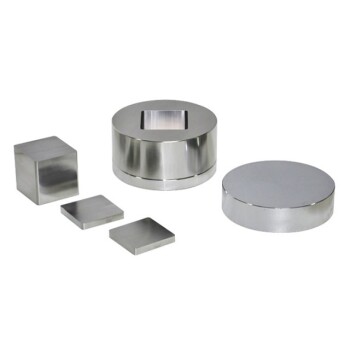
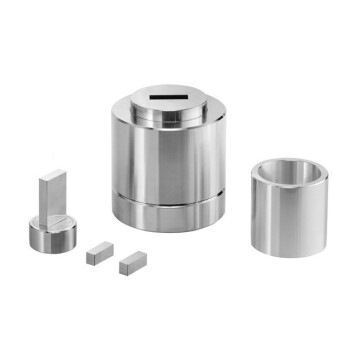
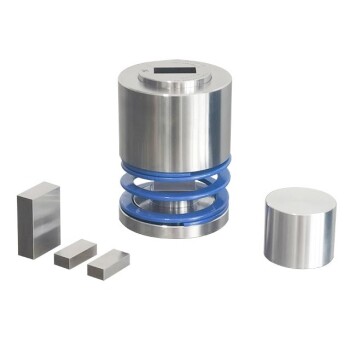
- Special Shape Lab Press Mold for Laboratory Applications
- Lab Heat Press Special Mold
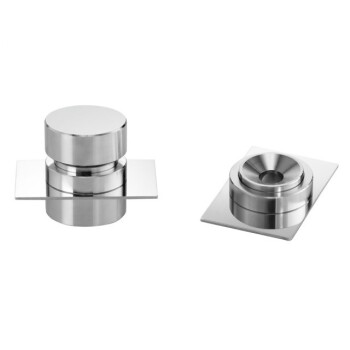
- Lab Button Battery Tablet Press Sealing Mold
- Lab Button Battery Disassembly and Sealing Mold
- Lab Polygon Press Mold
People Also Ask
- What is the purpose of incorporating cartridge heaters into a lab press mold for MLCC block compression? Optimize Results
- Why is a high-performance laboratory molding press critical for in-situ electrolyte formation? Unlock Battery Success
- Why are high-precision laboratory molds and specific compaction processes required? Ensure Data Integrity in Soil Research
- Why are precision laboratory molds essential for forming basalt-reinforced lightweight concrete specimens?
- How does the geometry of laboratory molds influence mycelium-based composites? Optimize Density and Strength