Toggle Categories
Get Instant Support
Choose your preferred way to connect with our team
Response Time
Within 8 hours on working days, 24 hours on holidays
Laboratory Hydraulic Press
Our laboratory presses, for diverse sample preparation and material processing, include Manual or Automatic Laboratory Press, Laboratory Heated Press, Cold Isostatic Press, and Warm Isostatic Press.
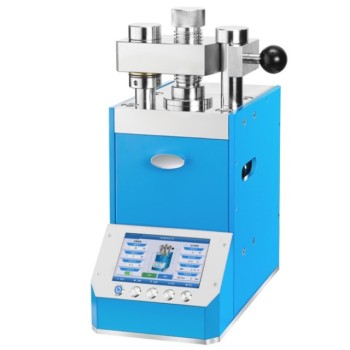
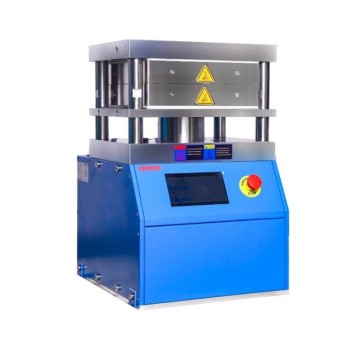
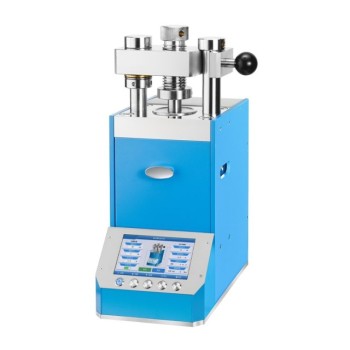
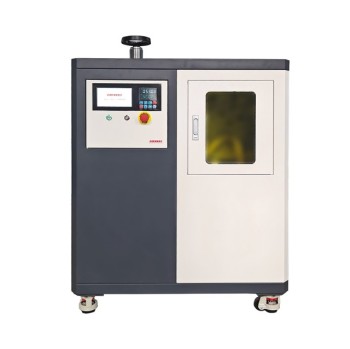
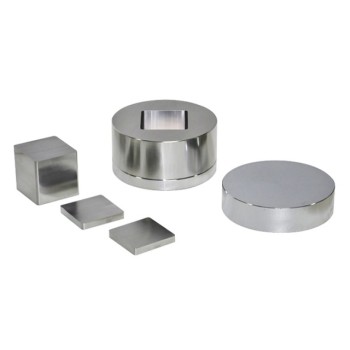
Laboratory Hydraulic Press
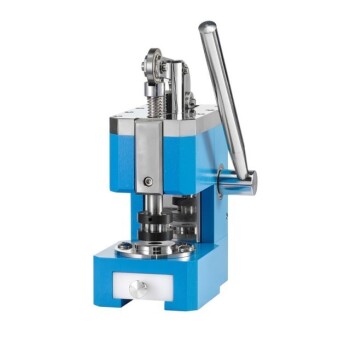
Lab Manual Microtome Slicer for Tissue Sectioning
Item Number: PT10

Laboratory Hydraulic Split Electric Lab Pellet Press
Item Number: PCES


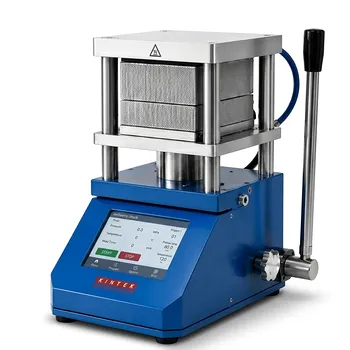
15 Ton Manual Hot Press for Battery Research and Advanced Materials
Item Number: XP15
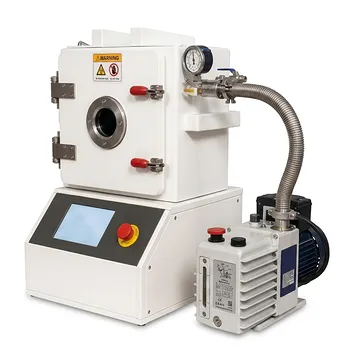

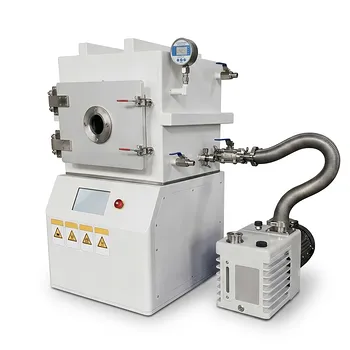
30T Electric Vacuum Hot Press
Item Number: XP23
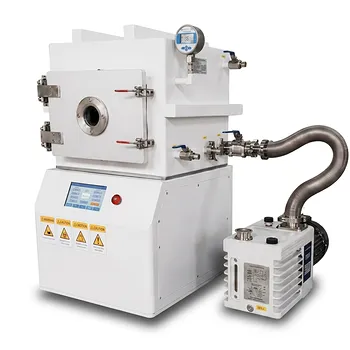
10T Vacuum Automatic Hot Press for Precision Lab Pressing
Item Number: XP32

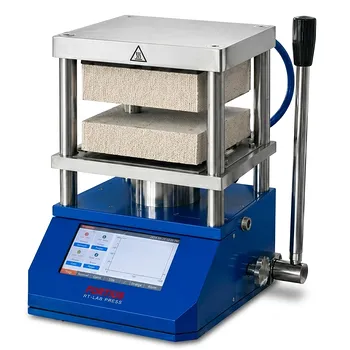
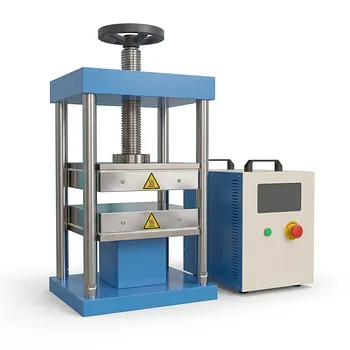

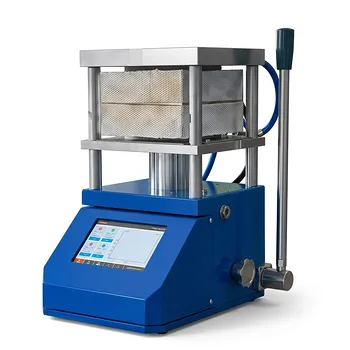
25 Ton Manual Hot Press 600°C for Laboratory Material Processing
Item Number: XP13
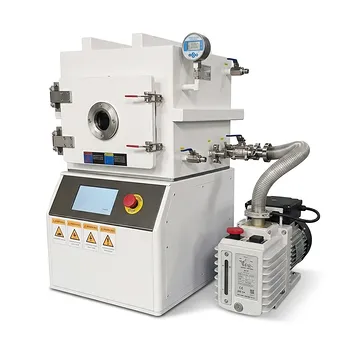
Benchtop Automatic Vacuum Hot Press for Advanced Material Processing
Item Number: XP28
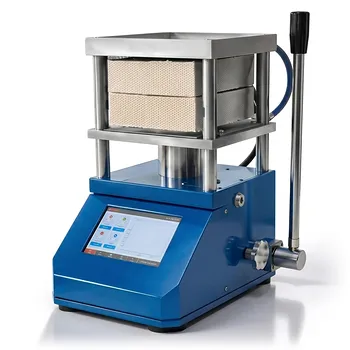
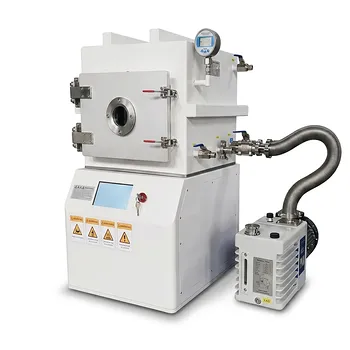
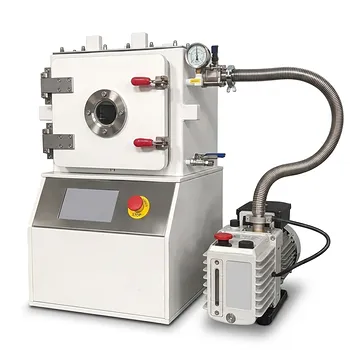
15T High Vacuum Hot Press System for Diffusion Bonding and Sintering
Item Number: XP31
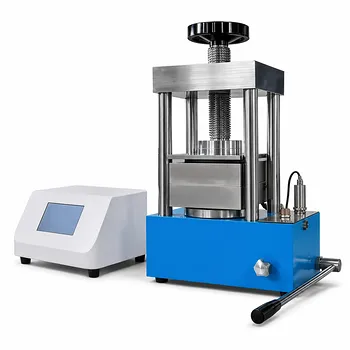
30 Ton Manual Hot Press with Water Cooling for Laboratory Applications
Item Number: XP52
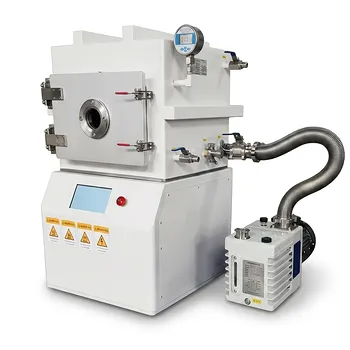
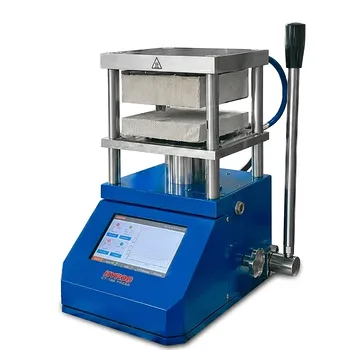
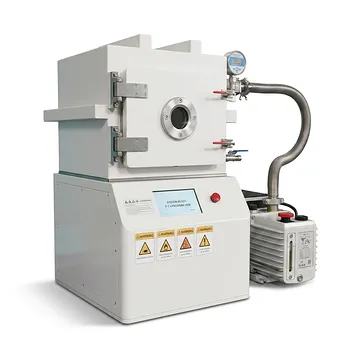
25 Ton 200x200mm Vacuum Hot Press with Programmable P-T-t Control
Item Number: XP26
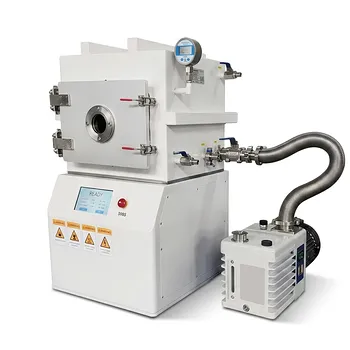
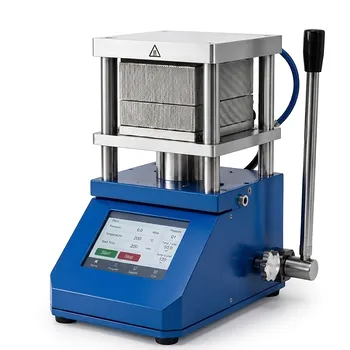
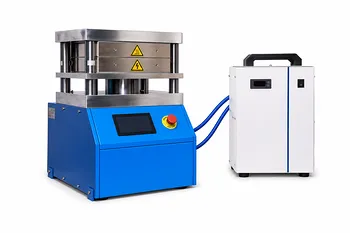
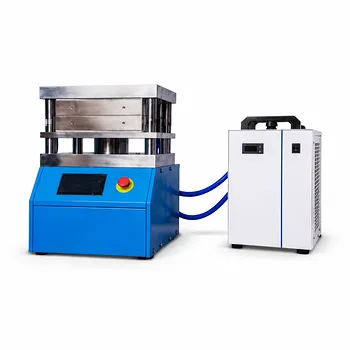
Automatic 10 Ton 300°C Large Opening Water Cooled Laboratory Hot Press
Item Number: XP90
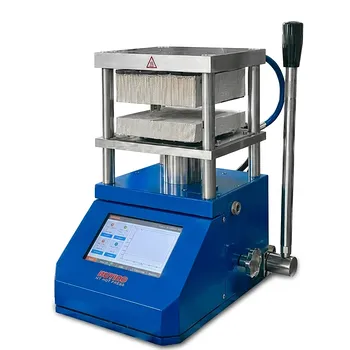
Manual Hot Press Digital Dual-Zone Heating Precision Laboratory Press
Item Number: XP05
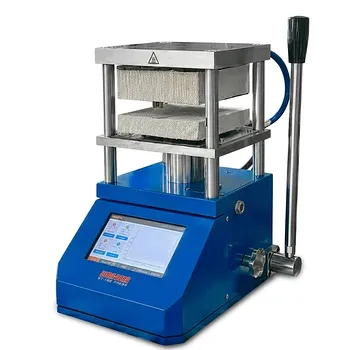
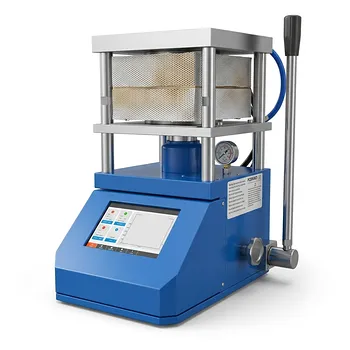
25T Manual Hot Press 300 Degree 300x300mm Dual Heated Platens Lab Press
Item Number: XP12
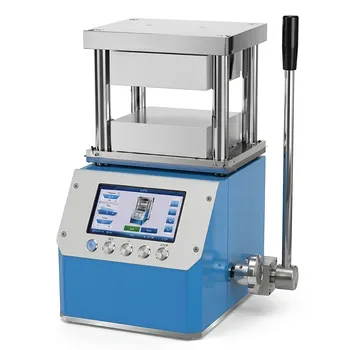
REQUEST A QUOTE
Our professional team will reply to you within one business day. Please feel free to contact us!
Related Articles

The Architecture of Slow: Why Physical Precision Dictates Chemical Destiny
In fertilizer research, the chemical formula is only half the story. Discover why heated hydraulic presses are the essential tools for standardizing nutrient release kinetics.
The Architecture of Density: Why Pressure is the Silent Architect of Solid-State Batteries
Explore how laboratory hydraulic presses transform sulfide powders into high-performance solid electrolytes by overcoming grain boundary resistance and porosity.
The Architecture of Stress: Bridging the Gap in Hybrid Hot Forming
Explore how high-precision laboratory hydraulic systems validate numerical models, control microstructure, and optimize parameters to prevent defects in industrial manufacturing.
The Physics of Transparency: Why Pressure is the Silent Architect of Spectroscopic Clarity
Explore the critical role of laboratory hydraulic presses in FT-IR spectroscopy for Copper(II) complexes and how high-pressure molding eliminates light scattering for high-resolution data.
The Geometry of Pressure: Why Precision Hot-Pressing is a Science of Limits
Explore the critical role of high-temperature pressure sensing and precision pressing in composite manufacturing, from matrix impregnation to avoiding structural failure.
The Geometry of Electrons: Why Surface Precision is the Silent Partner in SECM Research
Discover how laboratory hydraulic presses transform powder catalysts into precision electrodes, eliminating topography errors and ohmic resistance in SECM analysis.
The Internal Spark: Why Resistance Heating Redefines Composite Integrity
Explore the systemic differences between resistance and radiation heating in vacuum hot pressing and how localized energy transforms aluminum matrix composites.
The Silent Geometry of Density: Why Isotropic Pressure is the Soul of Advanced Ceramics
Explore how Cold Isostatic Pressing (CIP) solves the hidden internal stresses of alumina ceramics to ensure defect-free sintering and superior material density.
The Paradox of Pressure: Why 10 MPa Outperforms Force in Alumina Sintering
Discover why moderate pressure (10 MPa) is superior to high force in hot-pressing platelet alumina, preventing pore expansion and ensuring optical clarity.
The Architecture of Certainty: Why the Laboratory Press is the Anchor of Material Science
Explore how precision heated hydraulic presses eliminate variables in rubber and pigment testing, transforming raw mixtures into standardized, data-ready specimens.
The Architecture of Uniformity: Why Omnidirectional Pressure Defines Ceramic Destiny
Explore how Cold Isostatic Pressing (CIP) eliminates internal density gradients in 10NiO-NiFe2O4 composite ceramics to ensure survival in high-corrosion environments.
The Mechanics of Transformation: Why Pressure Redefines Wood Modification
Explore how thermo-mechanical coupling in hydraulic presses outperforms traditional ovens by enabling deep chemical penetration and structural stabilization.
The Mechanical Handshake: The Invisible Architecture of Room-Temperature Pressing
Discover how room-temperature pressing acts as the critical mechanical foundation for lignin-fiber integration, ensuring structural integrity before thermal consolidation.
The Architecture of Heat: Why Sample Density Dictates the Truth in Metal Hydride Research
Explore how laboratory hydraulic presses bridge the gap between loose powders and accurate thermal conductivity data through precise density control and geometric standardization.
The Geometry of Precision: Mastering the Thermal-Pressure Field in APPC Fabrication
Discover how high-precision heated presses achieve full impregnation and structural uniformity in All-Polypropylene Composites through controlled thermal-pressure fields.
The Isotropic Imperative: Why Uniform Pressure Defines the Life of a Superconductor
Explore how Cold Isostatic Pressing (CIP) eliminates internal density gradients in Bi2212 substrates to ensure structural integrity and maximum current density.
The Thin Line of Efficiency: Why Precision Pressing Dictates Thermal Performance
Discover how laboratory pressing optimizes thermal interface thickness and filler orientation to maximize the COP of TEC and PCM composite systems.
The Invisible Forge: Why the Laboratory Press is the Soul of Nano-Composites
Discover how laboratory heated hydraulic presses drive chemical cross-linking and physical densification in nano-composites through precise thermal and mechanical control.
The Architecture of Contact: Why 400 MPa is the Bridge to Solid-State Batteries
Explore the critical role of ultra-high pressure in solid-state fluoride-ion battery assembly and how mechanical interlocking overcomes interfacial resistance.
The Geometry of Silence: Why Flexibility is the Ultimate Precision in Ti-6Al-4V Pressing
Explore the critical role of flexible rubber molds in isostatic pressing. Learn how they eliminate density gradients and protect Ti-6Al-4V alloy integrity.