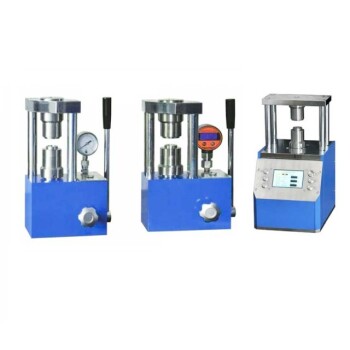
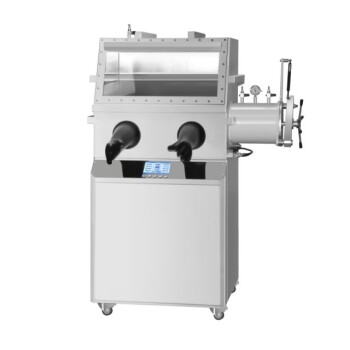
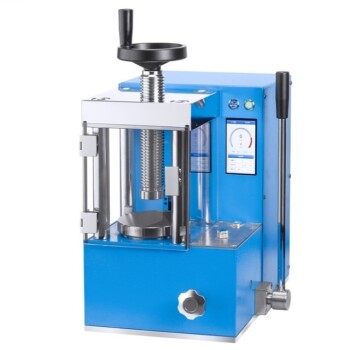
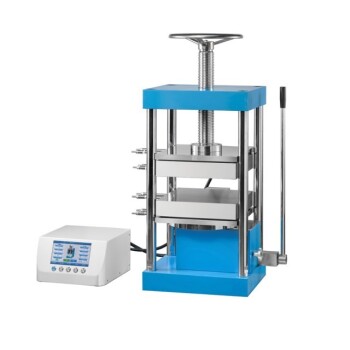
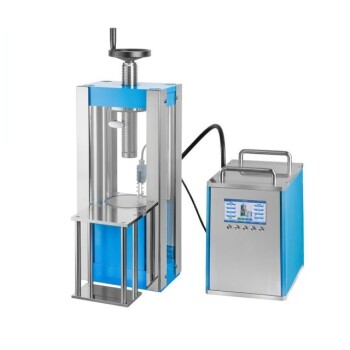
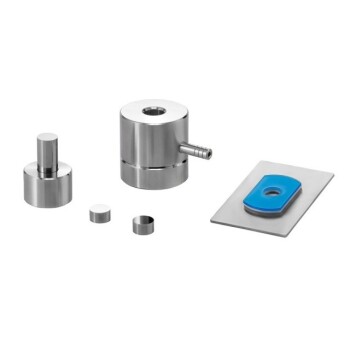
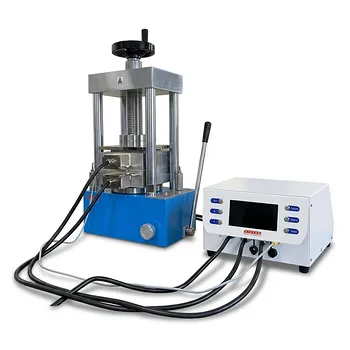
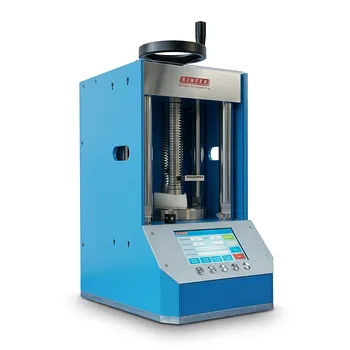
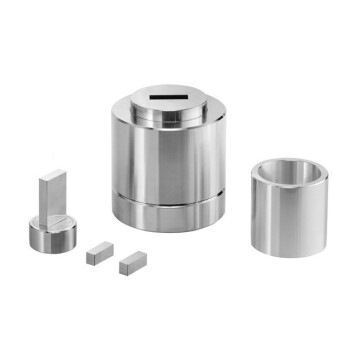
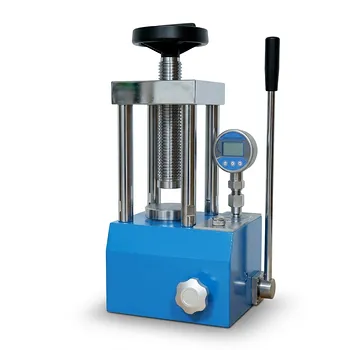
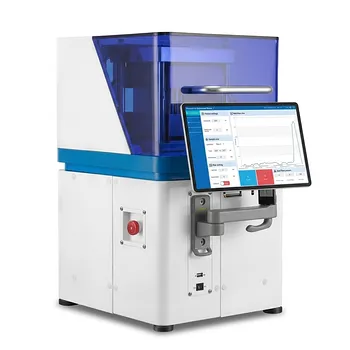
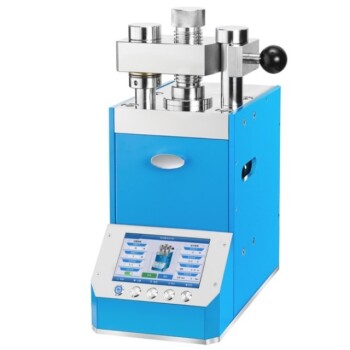
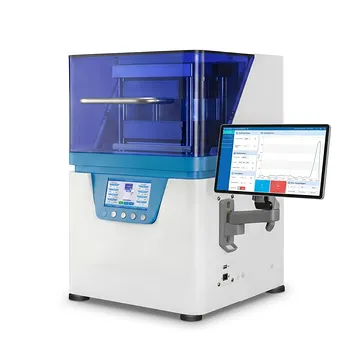
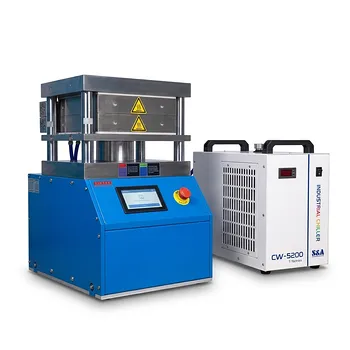
The laboratory press is the critical bridge between raw hydrochar and viable commercial products. By providing precise control over temperature and pressure, these machines allow researchers to transform loose, high-oxygen functionalized carbon particles into standardized pellets, composite laminates, and high-density "green bodies" for rigorous performance testing.
Laboratory presses are indispensable in HTC research because they convert variable hydrothermal products into consistent, measurable samples. This standardization is required for validating mechanical strength, dewatering efficiency, and pharmaceutical viability in advanced carbon materials.
Standardizing Raw Hydrochar for Analysis
Achieving Morphological Uniformity
Hydrochar particles often possess a spherical morphology and a complex surface chemistry that makes them difficult to study in their loose form. Laboratory presses compact these powders into pellets with uniform density, ensuring that subsequent tests for fuel quality or environmental remediation are scientifically valid.
Eliminating Experimental Noise
Voids between powder particles can interfere with critical measurements like electrical conductivity and spectroscopic analysis. By applying repeatable pressure, researchers can eliminate these air gaps, resulting in a dense sample that reflects the true physical properties of the carbon material rather than the air trapped within it.
Synthesis of Advanced Composite Materials
Engineering Polymer-Hydrochar Composites
A primary application for HTC-derived materials is the creation of high-value composites for the construction and filtration industries. Laboratory presses mold hydrochar mixed with polymer matrices under heat, ensuring the structural integrity and mechanical bonding required for commercial-grade materials.
Pharmaceutical Grade Tablet Production
In the development of activated carbon for medical use, such as treating digestive issues, hydraulic presses are used to form tablets. The equipment must achieve a specific mechanical hardness and low friability while carefully preserving the material’s hydrophilic properties to meet strict pharmaceutical standards.
Process Validation and Industrial Simulation
Evaluating Dewatering Performance
Before moving to industrial-scale production, researchers must understand how easily water can be removed from HTC products. A laboratory press can simulate industrial dewatering environments by applying pressures of approximately 65 bar, allowing for an accurate evaluation of the material’s filter cake dry matter content.
Assessing Mechanical and Acoustic Potential
Heated presses allow for the testing of curing characteristics in composite laminates under various layup sequences. This is essential for evaluating the acoustic potential of new alternative materials and ensuring they can withstand the mechanical stresses of their intended applications.
Understanding the Trade-offs and Constraints
Pressure Limitations and Material Degradation
While high pressure is necessary for density, excessive force can crush the delicate spherical morphology of certain hydrochars, potentially altering their surface area and reactivity. Researchers must balance the need for compaction with the preservation of the material's unique microscopic features.
Temperature Gradient Challenges
In heated laboratory presses, maintaining a perfectly uniform temperature across a large sample can be difficult. If the heat is not distributed evenly, the resulting composite or pellet may have internal stresses or inconsistent curing, leading to inaccurate mechanical test results.
Applying Laboratory Press Technology to Your Project
Selecting the Right Equipment for Your Research Goal
The choice of a laboratory press depends entirely on the intended end-use of your HTC-derived material.
- If your primary focus is fuel substitution or environmental remediation: A standard hydraulic press is sufficient to create uniform pellets for combustion or adsorption testing.
- If your primary focus is high-tech composites or construction materials: A heated laboratory press is essential to facilitate the thermal bonding between hydrochar and polymer matrices.
- If your primary focus is pharmaceutical or filtration media: Prioritize a press with highly precise, repeatable pressure control to ensure tablet hardness without sacrificing chemical porosity.
Ultimately, the laboratory press transforms HTC research from the study of a raw byproduct into the engineering of a high-performance material.
Summary Table:
| Application Area | Key Function of Press | Main Research Benefit |
|---|---|---|
| Standardization | Morphological Compaction | Eliminates experimental noise and air gaps for valid analysis. |
| Composite Synthesis | Thermal Bonding & Molding | Ensures structural integrity between hydrochar and polymer matrices. |
| Process Validation | Dewatering Simulation | Evaluates filter cake dry matter content at industrial pressures (65 bar). |
| Pharmaceuticals | Tablet Production | Achieves precise mechanical hardness while preserving chemical porosity. |
Optimize Your Material Development with KINTEK Precision
Transition from raw hydrochar to high-performance commercial products with KINTEK’s industry-leading technology. KINTEK specializes in comprehensive laboratory pressing solutions designed to meet the rigorous demands of modern material science. Our extensive lineup includes manual, automatic, heated, multifunctional, and glovebox-compatible models, alongside cold and warm isostatic presses widely applied in battery research and advanced carbon synthesis.
Whether you need to standardize samples for spectroscopic analysis or engineer complex polymer composites, our equipment delivers the repeatable pressure and temperature control essential for scientific excellence. Contact us today to find your perfect laboratory press solution and take the next step in your R&D journey!
References
- Gianluigi Farru, Daniele Basso. Business and Market Analysis of Hydrothermal Carbonization Process: Roadmap toward Implementation. DOI: 10.3390/agronomy14030541
This article is also based on technical information from Kintek Solution Knowledge Base .
Related Products
- Laboratory Hydraulic Press Lab Pellet Press Button Battery Press
- Laboratory Hydraulic Press Lab Pellet Press Machine for Glove Box
- Laboratory Hydraulic Pellet Press for XRF KBR FTIR Lab Press
- Laboratory Split Manual Heated Hydraulic Press Machine with Hot Plates
- Laboratory Hydraulic Split Electric Lab Pellet Press
People Also Ask
- How is a laboratory hydraulic press used for HAP composite gels? Master Mineral Substrate Standardization
- What role does a laboratory hydraulic press play in reaction pellets? Optimizing Lunar Soil and Metal Fuel Density
- What role does a laboratory hydraulic press play in the preparation of piezoelectric ceramic discs for DC-PG? | KINTEK
- What role does a laboratory hydraulic press play in the assembly of all-solid-state battery test cells? Expert Guide
- Why is a laboratory hydraulic press required for PBAT and PLA sample preparation? Achieve Flawless Characterization