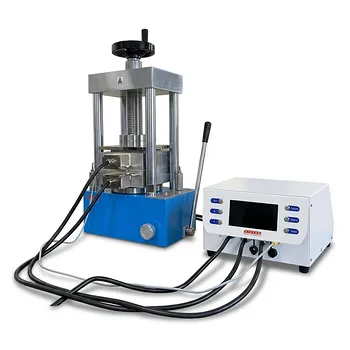
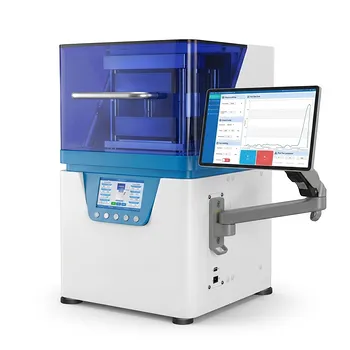
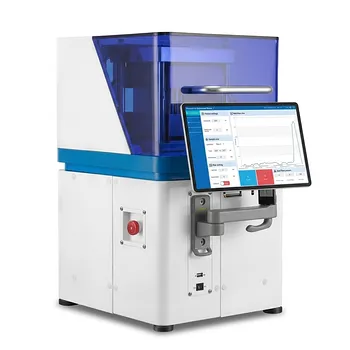
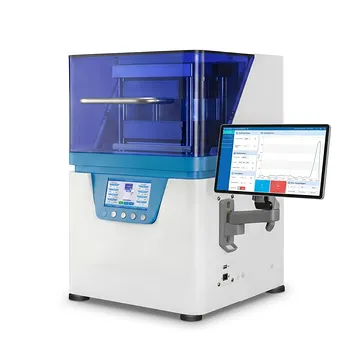
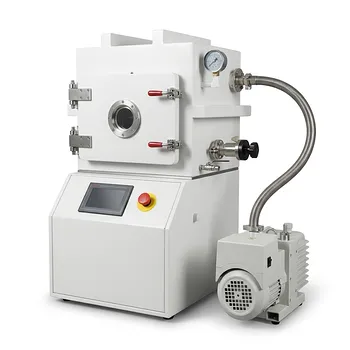
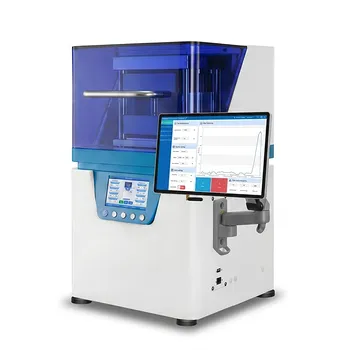
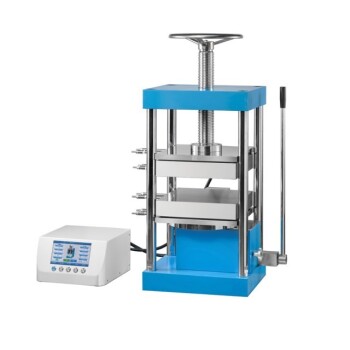
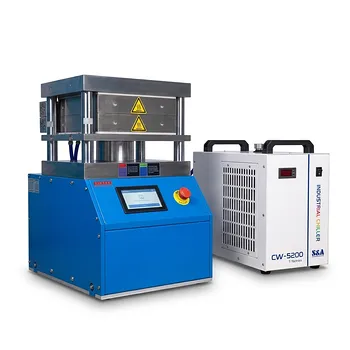
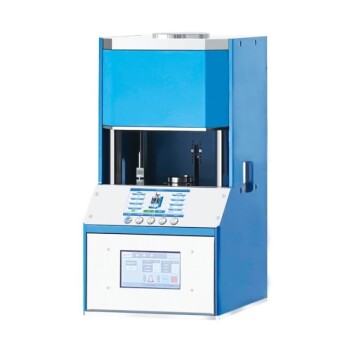
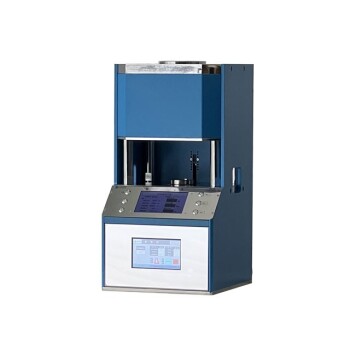
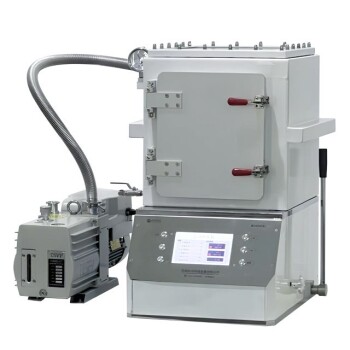
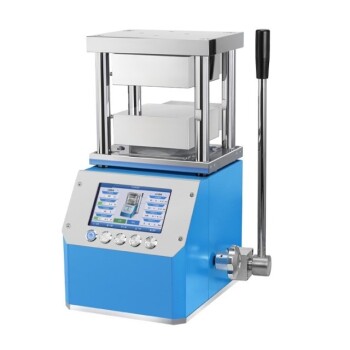
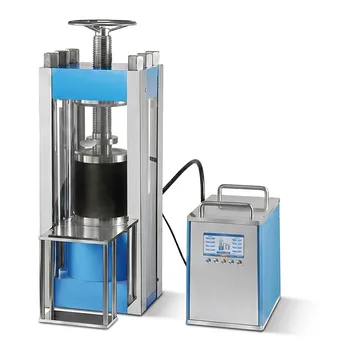
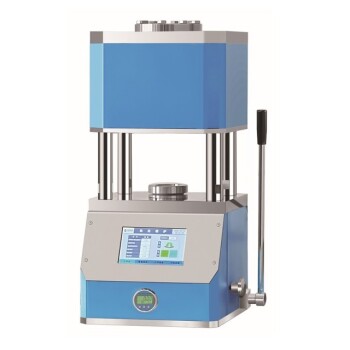
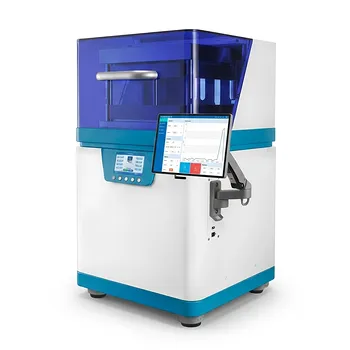
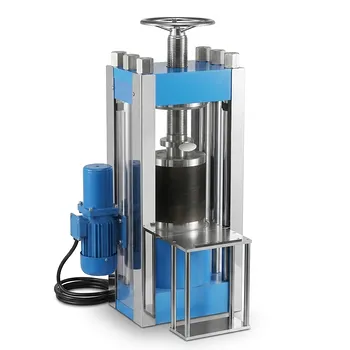
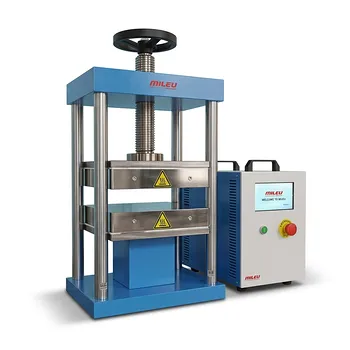
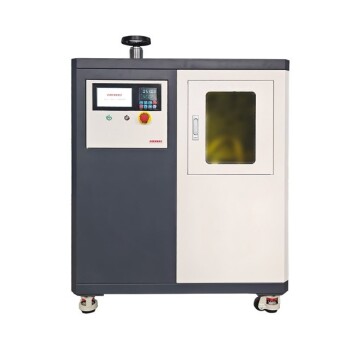
A heated laboratory pressing machine serves as a specialized thermo-mechanical reactor that simultaneously applies high pressure and precision thermal energy to transform raw biomass into high-performance solid fuel. Its primary functions are to drive out moisture, initiate early-stage carbonization, and consolidate loose organic matter into a dense, chemically stable structure known as biocoke.
By coupling controlled heat (typically around 190°C) with mechanical compaction, the laboratory press alters the chemical and physical blueprint of biomass. This process maximizes energy density and ensures the resulting biocoke meets the rigorous standards required for efficient combustion.
Thermal Transformation and Devolatilization
Driving Moisture Evaporation
The precision heating system provides a stable thermal environment that facilitates the rapid evaporation of internal moisture. Reducing water content is a critical first step, as it directly increases the net calorific value of the fuel and prevents energy loss during subsequent combustion.
Initiating Initial Carbonization Reactions
At temperatures such as 190°C, the machine triggers the first stages of carbonization within the biomass fibers. These chemical changes increase the fixed carbon levels—reaching up to 17.53% in materials like Empty Fruit Bunch (EFB)—which significantly optimizes the material's combustion characteristics.
Facilitating Chemical Crosslinking
The application of heat does more than just dry the sample; it can trigger chemical reactions between the internal components of the biomass, such as proteins or lignin. This thermal energy allows the plasticized matrix to flow, creating new chemical bonds that transform loose powder into a structured, solid material.
Physical Densification and Structural Uniformity
Elimination of Internal Voids
High-pressure compaction is essential for eliminating air bubbles and pockets within the biomass mixture. By removing these voids, the machine ensures a high-density end product that burns more predictably and resists crumbling during transport or storage.
Achieving Geometric Consistency
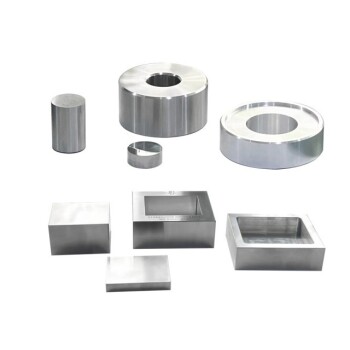
The press utilizes molds to produce biocoke with uniform thickness and smooth surfaces. This physical standardization is vital for scientific testing, as it ensures that specimens used in calorimetry or oxygen index tests have consistent dimensions, thereby reducing data scatter in experimental results.
Promoting Material Flow
The combination of heat and pressure causes the biomass components to reach a plasticized state, allowing them to fill the mold cavity completely. This results in a dense, structured material that possesses specific mechanical flexibility and structural integrity that raw biomass lacks.
Understanding the Trade-offs
The Energy Consumption Balance
While heating is essential for carbonization, it adds an energy cost to the preparation process. Researchers must balance the temperature and dwell time to ensure the energy gained from the improved biocoke exceeds the energy spent during its laboratory fabrication.
Sample Size and Throughput Constraints
Laboratory pressing machines are designed for precision and high-control experiments rather than mass production. This limitation means that while they produce highly consistent samples for analysis, the results must be carefully scaled when considering industrial-relevance or large-scale bioenergy applications.
Potential for Thermal Degradation
Excessive heat or prolonged exposure in the press can lead to over-carbonization, where valuable volatile matter is lost prematurely. If the temperature is not precisely controlled, the biocoke may become too brittle or lose a portion of its total energy potential before it ever reaches the furnace.
How to Apply These Functions to Your Research
If you are utilizing a heated laboratory press for biocoke development, your operational parameters should align with your specific energy goals.
- If your primary focus is maximizing energy density: Prioritize the precision heating system to reach temperatures that trigger initial carbonization and maximize fixed carbon percentages.
- If your primary focus is experimental reliability: Focus on the pressure control and mold precision to eliminate air bubbles and ensure uniform sample dimensions for standardized testing.
- If your primary focus is structural durability: Optimize the dwell time under heat to allow the lignin or protein matrix to flow and create a stronger, more crosslinked physical structure.
The strategic integration of heat and pressure within the laboratory press is what ultimately turns raw, inefficient biomass into a sophisticated and high-energy-density fuel source.
Summary Table:
| Key Function | Mechanism | Research Benefit |
|---|---|---|
| Moisture Removal | Precision heating system | Increases net calorific value of the fuel |
| Initial Carbonization | Thermal energy at ~190°C | Optimizes fixed carbon levels (e.g., 17.53% in EFB) |
| Densification | High-pressure compaction | Eliminates voids and ensures geometric consistency |
| Material Flow | Lignin/Protein plasticization | Creates stable chemical crosslinking and durability |
Revolutionize Your Material Research with KINTEK
Maximize the efficiency of your biocoke and energy research with KINTEK’s comprehensive laboratory pressing solutions. We specialize in providing high-precision equipment tailored to your specific research needs, including:
- Manual & Automatic Heated Presses for controlled carbonization.
- Multifunctional & Glovebox-Compatible Models for sensitive environments.
- Cold and Warm Isostatic Presses for advanced battery and material research.
Whether you are focusing on energy density, structural durability, or experimental reliability, KINTEK has the solution to elevate your lab's output.
Ready to enhance your lab's performance? Contact us today to find your perfect press!
References
- Erdiwansyah Erdiwansyah, Yeggi Darnas. The Effect of Pressure and Heating on Biocoke Fuel from Empty Fruit Bunches. DOI: 10.37934/arfmts.114.1.159165
This article is also based on technical information from Kintek Solution Knowledge Base .
Related Products
- 24T 30T 60T Heated Hydraulic Lab Press Machine with Hot Plates for Laboratory
- Automatic Large Format Laboratory Heated Hydraulic Press 400x400mm Plate Capacity
- Automatic Heated Hydraulic Lab Press Machine 200x200 Plate Size for Battery Research and Materials Science
- Automatic Heated Hydraulic Lab Press with Programmable Touch Screen Controls and Precision Temperature Regulation
- Heated Hydraulic Press Machine with Heated Plates for Vacuum Box Laboratory Hot Press
People Also Ask
- Function of a Laboratory Hydraulic Press with Heated Platens in SSE? Enhance Battery Density & Conductivity
- Why is a laboratory hydraulic press with heating plates required for PLA/TEC films? Achieve Precise Sample Integrity
- What role does a laboratory heated hydraulic press play in LTCC? Essential for High-Density Ceramic Lamination
- Why reduce load when applying composite strengthening tabs? Protect Specimen Integrity and Data Accuracy
- What role does a laboratory heated hydraulic press play in PI/PA based SPE membranes? Optimize Solid Battery Performance