Laboratory-scale precision heating systems provide the technical foundation for simulating real-world hot stamping conditions by enabling independent temperature control of tool steel specimens. By actively heating tools up to 500°C, these systems allow researchers to isolate the thermal effects on frictional behavior, leading to more predictable material flow and enhanced tool longevity.
Core Takeaway: Precision heating systems allow for the decoupling of tool and workpiece temperatures, proving that active tool heating stabilizes friction and provides the data necessary to extend industrial maintenance cycles.
The Mechanics of Independent Thermal Control
Decoupling Tool and Workpiece Variables
In standard testing, the tool temperature often fluctuates based on the heat of the workpiece. Precision systems allow the tool steel to be maintained at a constant, independent temperature, isolating it as a controlled variable.
High-Temperature Testing Thresholds
These systems are capable of reaching temperatures up to 500°C, which mirrors the extreme conditions found in industrial hot stamping. This capability is essential for observing how tool steels behave under high thermal loads before they are deployed in production.
Enhancing Frictional Performance and Predictability
Stabilization of Friction Curves
Research shows that actively heated tools result in significantly stabilized friction curves. By reducing the erratic fluctuations in friction, engineers can more accurately predict how the workpiece will interact with the tool surface.
Optimizing Material Flow Control
When friction is stabilized through precision heating, the material flow during the stamping process becomes more uniform. This reduces the likelihood of thinning or cracking in the final part, ensuring higher quality standards.
Understanding the Trade-offs
Laboratory Scale vs. Industrial Reality
While lab-scale systems offer high precision, they cannot fully replicate the mechanical stresses of a full-scale industrial press. The data is vital for baseline settings but must be scaled with consideration for volume-related wear.
The Complexity of Thermal Cycling
Precision heating often focuses on a "steady state," whereas industrial stamping involves rapid thermal cycling. Relying solely on static lab temperatures may overlook the impact of rapid cooling and reheating cycles on the tool's microstructure.
How to Apply This to Your Project
Integrating Lab Findings into Production
When moving from research to the factory floor, use the data gathered from precision heating to set your initial operating parameters.
- If your primary focus is improving part quality: Use the stabilized friction data to refine your blank holder pressure and material flow simulations.
- If your primary focus is reducing operational costs: Focus on the temperature set-points that showed the least friction fluctuation to extend your tool maintenance intervals.
- If your primary focus is material innovation: Utilize the 500°C testing capability to benchmark new tool steel alloys against traditional grades under high thermal stress.
By leveraging precision heating data, you can transform unpredictable friction variables into a controlled, optimized industrial process.
Summary Table:
| Key Feature | Research Benefit | Industrial Application |
|---|---|---|
| Independent Heating | Decouples tool/workpiece variables | Predictable material flow |
| High Temp (Up to 500°C) | Simulates extreme stamping conditions | Reliable thermal load benchmarking |
| Friction Stabilization | Reduces fluctuations in data curves | Extended tool maintenance cycles |
| Flow Optimization | Uniform material distribution | Higher part quality & less cracking |
Elevate Your Material Research with KINTEK Precision Solutions
Are you looking to transform unpredictable testing variables into optimized industrial processes? KINTEK specializes in comprehensive laboratory pressing solutions designed for the most demanding research environments. Whether you are conducting tool steel performance tests or pioneering battery research, our technology provides the precision you need.
Our specialized range includes:
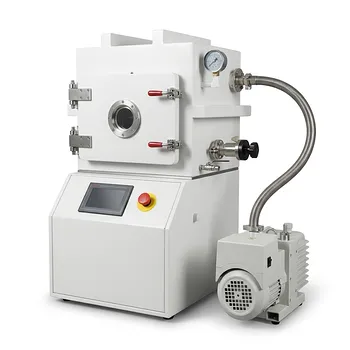
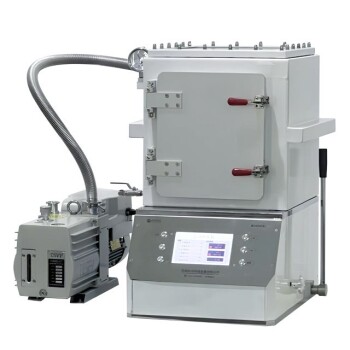
- Versatile Pressing Models: Manual, automatic, heated, multifunctional, and glovebox-compatible presses.
- Advanced Isostatic Pressing: Cold and warm isostatic presses for superior material density.
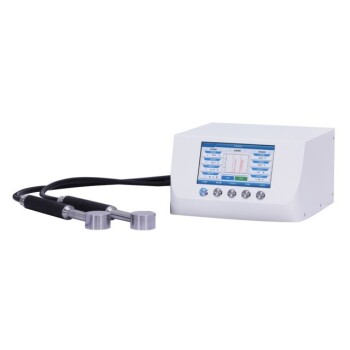
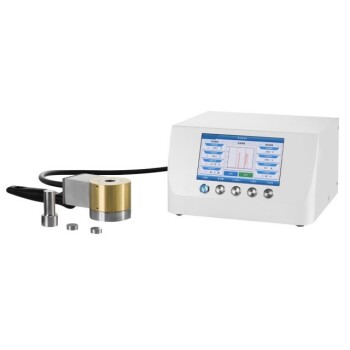
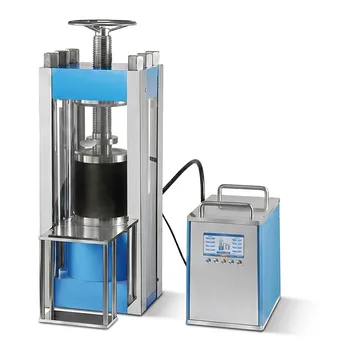
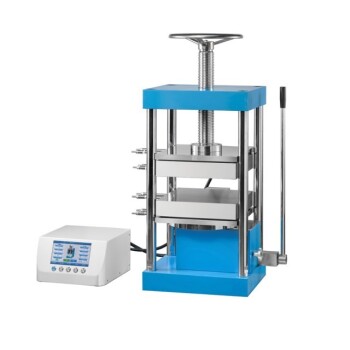
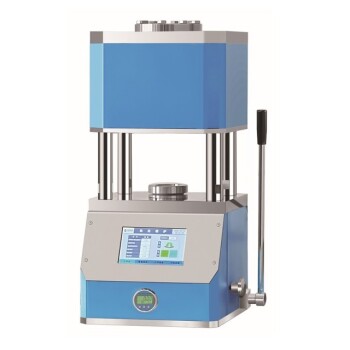
- Precision Thermal Control: Systems capable of simulating high-temperature conditions up to 500°C.
Ready to enhance your lab's efficiency and achieve superior material performance? Contact KINTEK today to discuss your specific application and find the perfect pressing solution for your project!
References
- Leonardo Pelcastre. Friction and Wear in Hot Stamping: The Role of Tool and Workpiece Temperature and Tool Steel Composition. DOI: 10.3390/lubricants12090297
This article is also based on technical information from Kintek Solution Knowledge Base .
Related Products
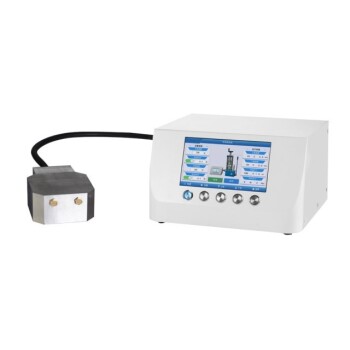
- Infrared Heating Quantitative Flat Plate Mold for Precise Temperature Control
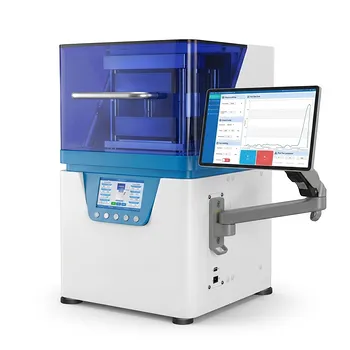
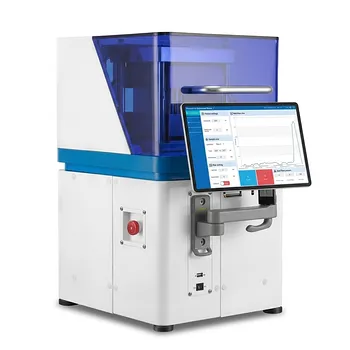
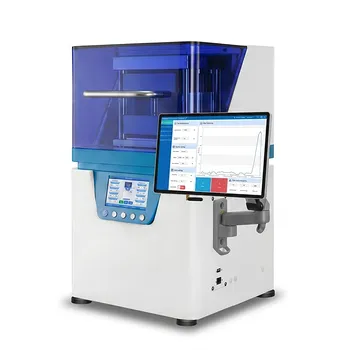
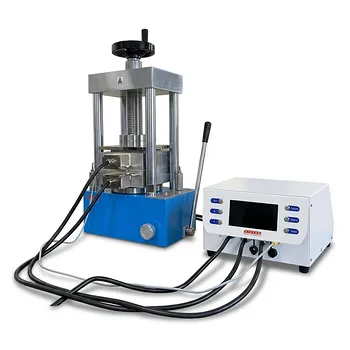
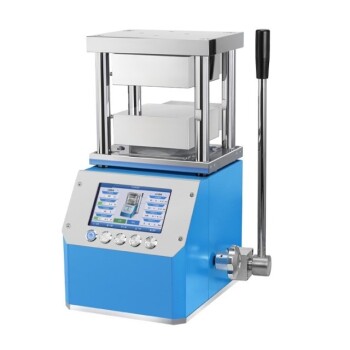
- Automatic Heated Hydraulic Lab Press with Programmable Touch Screen Controls and Precision Temperature Regulation
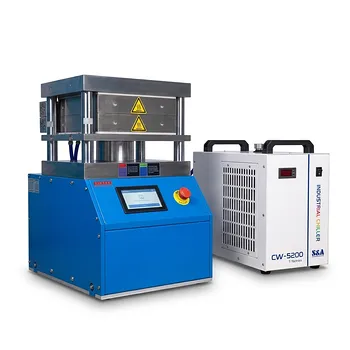
- Automatic Hydraulic Hot Press with Large Plate and Precision Temperature Control for Advanced Material Sample Preparation and Industrial Research
- Cylindrical Lab Electric Heating Press Mold for Laboratory Use
- Lab Double Plate Heating Mold for Laboratory Use
People Also Ask
- How do precision temperature-controlled heating plates function in electrolyte thermal stability storage experiments?
- What is the importance of a precision temperature-controlled heating module? Ensure Aluminum-Cadmium Thermal Stability
- How does heating platen precision affect rubber specimens? Achieve uniform density and reliable testing results.
- How are thin polymer films produced for spectroscopic analysis? Expert Guide to Heat and Low-Pressure Methods
- What accessories and field services can be used to optimize the capabilities of presses? Maximize Your Lab Performance