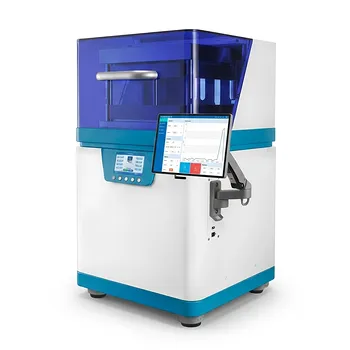
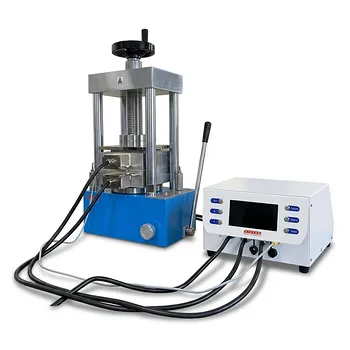
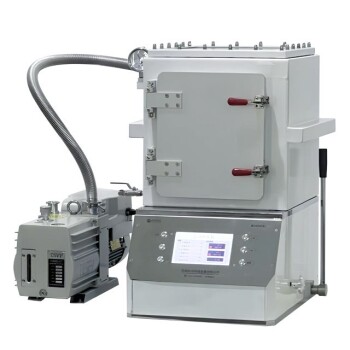
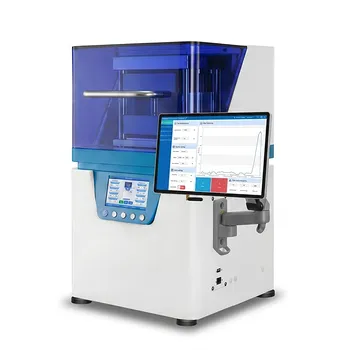
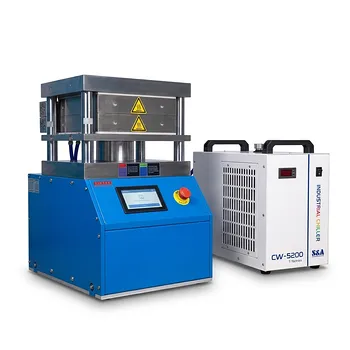
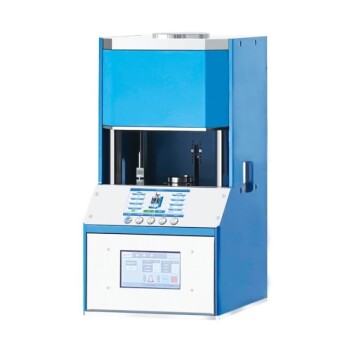
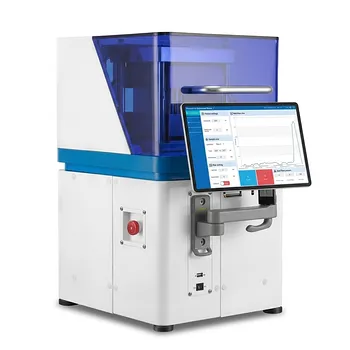
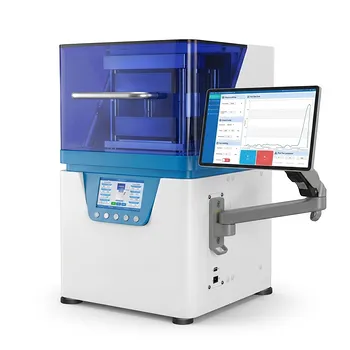
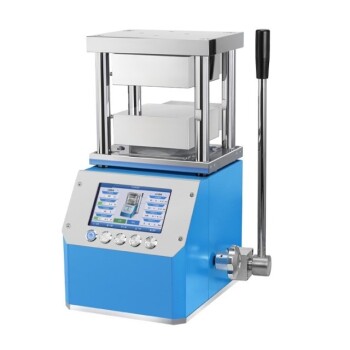
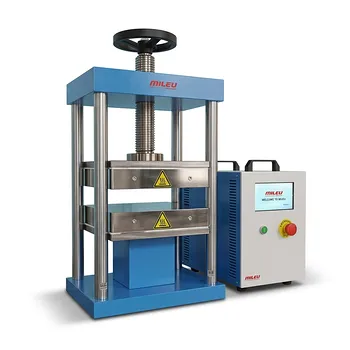
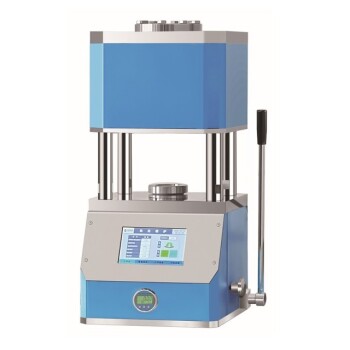
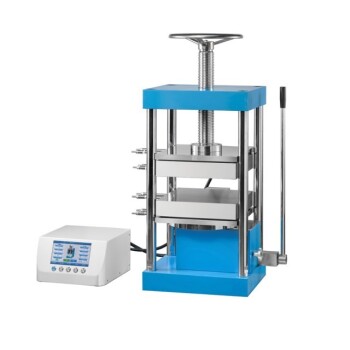
The heated hydraulic press is a critical instrument in catalyst fabrication that simultaneously applies mechanical force and thermal energy to transform precursor powders into dense, high-performance solid bodies. By facilitating particle bonding at lower-than-normal temperatures, it ensures that the sensitive active sites of the catalyst remain intact while achieving the structural durability required for industrial chemical reactors.
Core Takeaway: Heated hydraulic pressing is essential for creating industrial catalysts that balance mechanical strength with high chemical reactivity. It achieves this by densifying materials through controlled thermal diffusion, preventing the thermal degradation of active components often caused by traditional high-heat sintering.
Mechanisms of Physical Transformation
Accelerating Particle Diffusion
The primary role of the press is to create a controlled environment where pressure and temperature work in tandem. This synergy facilitates "diffusion," where atoms move across the boundaries of powder particles to form solid bonds.
Achieving Low-Temperature Densification
By applying mechanical force, the press allows materials to be densified at significantly lower sintering temperatures. This is vital for industrial efficiency because it reduces the energy footprint of the manufacturing process itself.
Ensuring Component Uniformity
The simultaneous application of heat and pressure ensures a consistent distribution of active components across the support material. This uniformity is necessary to prevent "pockets" of inactivity or structural weak points within the catalyst body.
Optimizing Catalytic Performance and Longevity
Protecting Active Surface Sites
Industrial catalysts rely on "active sites" to trigger chemical reactions; these sites are often destroyed by excessive heat. Hot-pressing preserves these sites from thermal damage, ensuring the final product remains highly efficient in large-scale production.
Simulating Industrial Morphology
In the development phase, the press is used to shape powders into pellets or cylindrical green bodies. This allows researchers to accurately simulate how the catalyst will behave regarding pressure drop and diffusion limitations within a full-scale fixed-bed reactor.
Enhancing Electrical and Ionic Conductivity
When preparing electrodes, the heat from the press softens binders, allowing them to flow and create a tighter mechanical connection. This reduces contact resistance, ensuring the stability and conductivity of the catalyst structure under harsh reaction conditions.
Understanding the Trade-offs and Limitations
Risk of Surface Area Reduction
While pressing increases density and strength, excessive pressure can inadvertently collapse the internal pore structure of the catalyst. If the porosity is lost, the reactants cannot reach the internal active sites, rendering the catalyst ineffective despite its high strength.
Non-Uniform Heat Distribution
In larger samples, achieving a perfectly uniform temperature throughout the material can be difficult. Thermal gradients within the press can lead to uneven bonding, resulting in a pellet that is structurally sound on the outside but brittle or less active in the center.
Throughput and Equipment Costs
Heated hydraulic presses are often slower than cold-pressing methods due to the required heating and cooling cycles. For high-volume industrial production, this creates a bottleneck that must be balanced against the superior quality of the hot-pressed catalyst.
How to Apply Hot-Pressing to Your Project
When utilizing a heated hydraulic press for catalyst preparation, your technical approach should shift based on your specific performance requirements.
- If your primary focus is Maximum Catalytic Activity: Prioritize the lowest possible sintering temperature and use just enough pressure to ensure structural integrity without collapsing pores.
- If your primary focus is Mechanical Durability in High-Flow Reactors: Increase the dwell time under heat and pressure to ensure maximum diffusion and bonding, which prevents the catalyst from crumbling under gas pressure.
- If your primary focus is Electrochemical Efficiency: Use the heating element specifically to melt and redistribute binders, ensuring the lowest possible contact resistance between the catalyst and the current collector.
The precise integration of heat and pressure is what ultimately enables a catalyst to survive the rigors of industrial use while maintaining its essential chemical "spark."
Summary Table:
| Feature | Primary Mechanism | Industrial Impact |
|---|---|---|
| Low-Temp Densification | Pressure-assisted thermal diffusion | Preserves sensitive active sites from thermal damage |
| Component Uniformity | Simultaneous heat and force | Eliminates structural weak points and inactive zones |
| Binder Optimization | Controlled melting of binders | Enhances electrical conductivity and ionic flow |
| Morphology Control | Precision pellet/body shaping | Accurately simulates fixed-bed reactor performance |
Maximize Your Catalyst Performance with KINTEK
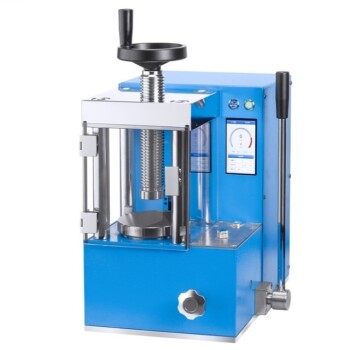
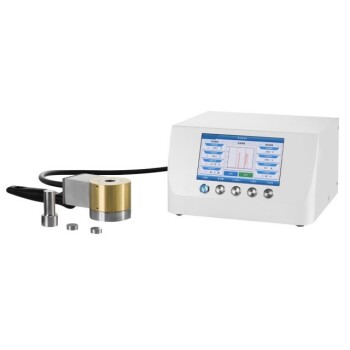
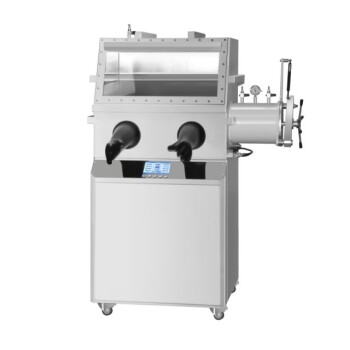
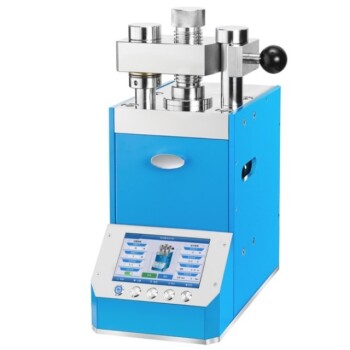
Precision is paramount when preparing industrial catalysts. KINTEK specializes in comprehensive laboratory pressing solutions tailored for high-stakes research. Whether you are focused on battery innovation or chemical production, our range includes manual, automatic, heated, multifunctional, and glovebox-compatible models, as well as cold and warm isostatic presses.
Our equipment ensures your materials achieve the perfect balance of mechanical integrity and chemical reactivity. Contact KINTEK today to discover how our pressing solutions can streamline your R&D and enhance your material efficiency!
References
- Dominik Horváth, Norbert Miskolczi. Thermo-catalytic co-pyrolysis of waste plastic and hydrocarbon by-products using β-zeolite. DOI: 10.1007/s10098-023-02699-6
This article is also based on technical information from Kintek Solution Knowledge Base .
Related Products
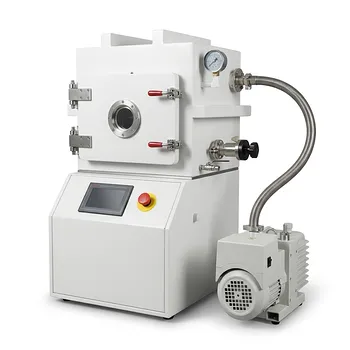
- Heated Hydraulic Press Machine with Heated Plates for Vacuum Box Laboratory Hot Press
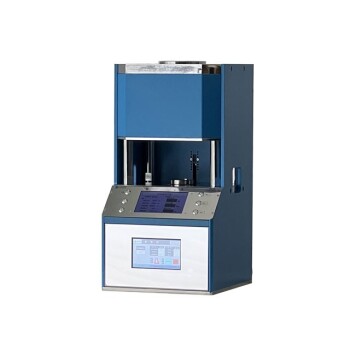
- Automatic High Temperature Heated Hydraulic Press Machine with Heated Plates for Lab
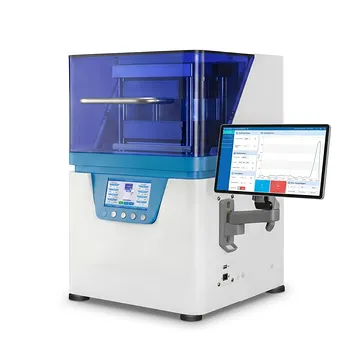
- Automatic Heated Hydraulic Lab Press with Programmable Touch Screen Controls and Precision Temperature Regulation
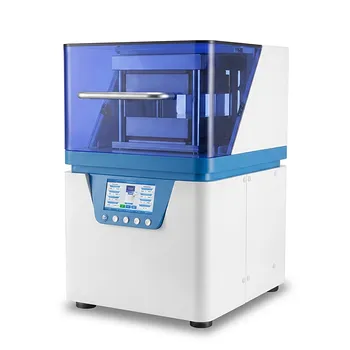
- Automatic Hydraulic Heat Press Machine with Multi Stage Programmable Control and Integrated Water Cooling Plate Size 180x180mm
- Automatic Hydraulic Hot Press with Large Plate and Precision Temperature Control for Advanced Material Sample Preparation and Industrial Research
People Also Ask
- How does a laboratory heated hydraulic press facilitate PBN sample prep for WAXS? Achieve Precise X-Ray Scattering
- What are the requirements for electrode pressing with high-viscosity ionic liquids like EMIM TFSI? Optimize Performance
- What are the industrial applications of heated hydraulic presses? Master Heat & Force for Precision Manufacturing
- Function of a Laboratory Hydraulic Press with Heated Platens in SSE? Enhance Battery Density & Conductivity
- How are heated hydraulic presses utilized in the preparation of thin films? Key Mechanisms and Applications