The primary purpose of PTFE (polytetrafluoroethylene) separator sheets in high-temperature pressing is to serve as a high-performance release agent and surface leveling layer. These sheets leverage their exceptional thermal stability and low surface energy to prevent molten polymers from bonding to metal platens. This ensures effortless demolding while preserving the critical surface morphology and structural integrity of the processed material.
PTFE sheets act as a non-stick thermal barrier that protects both the specimen and the mold from damage during high-pressure cycles. By eliminating adhesion and reducing interfacial friction, they ensure consistent specimen quality and the reliability of subsequent analytical data.
Preventing Adhesion and Material Loss
Thermal Stability at High Temperatures
PTFE possesses an extremely high melting point and thermal stability, allowing it to withstand the intense heat of hydraulic presses (often exceeding 180°C). Unlike standard plastic films, it does not degrade or bond with the sample when subjected to simultaneous heat and pressure.
Low Surface Energy for Non-Stick Performance
The chemical structure of PTFE provides a low-friction, non-stick surface that prevents molten polymer matrices from adhering to metal mold walls. This is critical for preventing "surface tears," where a portion of the sample remains stuck to the mold, potentially ruining the specimen.
Protection Against Contamination
By acting as a physical barrier, PTFE sheets prevent the transfer of oxides or residues from metal platens onto the polymer sample. This ensures the chemical purity of the specimen, which is vital for high-precision applications like nanocomposite fabrication or piezoelectric testing.
Enhancing Specimen Quality and Test Reliability
Surface Leveling and Smoothness
PTFE sheets function as a surface leveling layer, helping to produce an extremely smooth and flat finish on the molded part. This reduction in surface roughness is essential for accurate dielectric strength measurements and optical transmittance tests where surface defects cause data interference.
Maintaining Dimensional Accuracy
By providing a consistent interface between the sample and the mold, PTFE helps maintain the dimensional integrity of test specimens. This ensures that mechanical tests, such as toughness or shape memory evaluations, are performed on samples with precise, uniform geometries.
Improving Pressure Distribution
PTFE sheets help facilitate uniform pressure distribution across the entire surface of the sample during the pressing cycle. This uniformity prevents localized stress concentrations that could lead to internal defects or inconsistent material density.
Optimizing Mechanical Deformation
Friction Reduction in Metal Forming
In processes like Repetitive Corrugation and Straightening (RCS), PTFE is used as an anti-friction consumable. Its low coefficient of friction significantly reduces the resistance between the sample and the die walls, improving the efficiency of the pressure transfer.
Facilitating Uniform Deformation
By minimizing interfacial friction, PTFE ensures more uniform material flow and deformation during the pressing process. This prevents surface defects and maintains the structural integrity of the material even after multiple rotation and pressing cycles.
Understanding the Trade-offs
Temperature Limitations
While PTFE is highly heat-resistant, it has a definitive upper operating limit (typically around 260°C). Exceeding this temperature can cause the material to soften or release toxic fumes, requiring careful monitoring of press settings.
Potential for Surface Texture Transfer
Any imperfections, creases, or debris on the PTFE sheet itself can be imprinted onto the molten sample. Frequent replacement of the sheets is necessary to ensure that the "smooth" benefit of the PTFE is not compromised by wear and tear.
Impact on Heat Transfer Rate
Because PTFE acts as an insulator, it can slightly slow the rate of heat transfer from the platens to the sample. Operators must often account for this thermal lag by adjusting the dwell time or increasing the press temperature slightly to achieve the desired core temperature.
How to Apply This to Your Process
Making the Right Choice for Your Goal
- If your primary focus is optical or dielectric testing: Use high-grade, virgin PTFE films to ensure the smoothest possible surface finish and minimize data interference.
- If your primary focus is high-volume mechanical testing: Prioritize thicker PTFE sheets that can withstand multiple cycles without tearing or wrinkling to maintain dimensional consistency.
- If your primary focus is metal alloy deformation (RCS): Leverage thin PTFE sheets specifically to reduce die friction and improve the uniformity of the grain refinement process.
- If your primary focus is preventing contamination: Ensure the PTFE sheets are handled with gloves and stored in a dust-free environment before being placed in the press mold.
By correctly integrating PTFE separator sheets, you ensure that the molded product is not only easy to remove but also meets the rigorous surface and structural standards required for advanced material science.
Summary Table:
| Key Feature | Function | Primary Benefit |
|---|---|---|
| High Thermal Stability | Withstands temperatures >180°C | Prevents material bonding to metal platens |
| Low Surface Energy | Non-stick interface | Effortless demolding without surface tears |
| Surface Leveling | Smooths sample surface | High accuracy for dielectric & optical tests |
| Physical Barrier | Contamination protection | Ensures chemical purity of the specimen |
| Low Friction | Reduces interfacial resistance | Facilitates uniform material flow & deformation |
Optimize Your Pressing Results with KINTEK
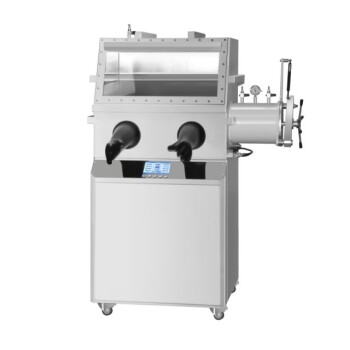
Achieve flawless specimen quality and consistent demolding with KINTEK’s comprehensive laboratory pressing solutions. Whether you are conducting cutting-edge battery research or advanced material testing, our range of manual, automatic, heated, and multifunctional presses—including glovebox-compatible and isostatic models—ensures precision at every step.
Why choose KINTEK?
- Versatility: Specialist solutions for cold and warm isostatic pressing.
- Reliability: Uniform pressure distribution for superior structural integrity.
- Expertise: Equipment designed to withstand rigorous high-temperature applications.
Don't let sample adhesion or surface defects compromise your analytical data. Contact KINTEK today to find the ideal press for your laboratory needs!
References
- Muhammad S. Hasan, Colin A. Scotchford. Cytocompatibility and Mechanical Properties of Short Phosphate Glass Fibre Reinforced Polylactic Acid (PLA) Composites: Effect of Coupling Agent Mediated Interface. DOI: 10.3390/jfb3040706
This article is also based on technical information from Kintek Solution Knowledge Base .
Related Products
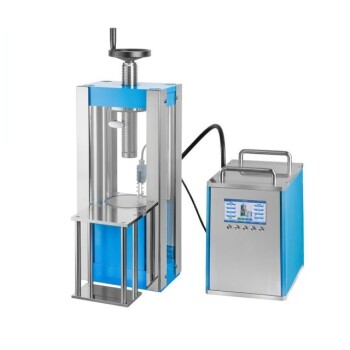
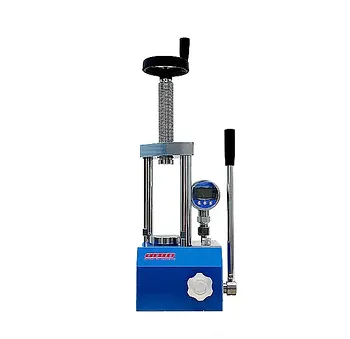
- Laboratory Hydraulic Split Electric Lab Pellet Press
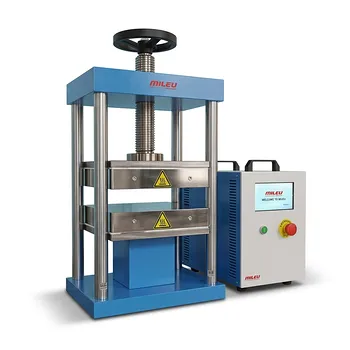
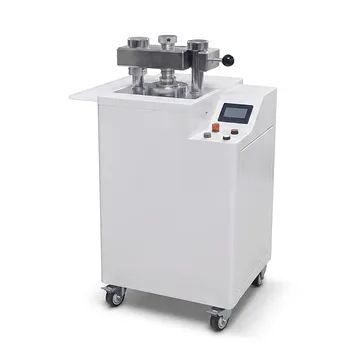
- Split Automatic Heated Hydraulic Press Machine with Heated Plates
- Laboratory Hydraulic Pellet Press for XRF KBR FTIR Lab Press
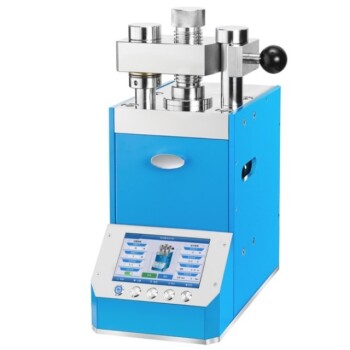
- Automatic Laboratory Hydraulic Press for XRF and KBR Pellet Pressing
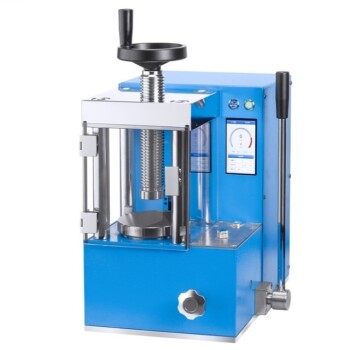
- Manual Laboratory Hydraulic Press Lab Pellet Press
People Also Ask
- What are the emerging trends in the design and materials of lab pellet presses? Modernize Your Lab Efficiency
- How do lab pellet presses support customization and flexibility? Optimize Your Sample Prep for Any Material
- What are common lab pellet press issues? Expert Troubleshooting Guide for Reliable Material Research
- What are the common operational types of lab pellet presses? Choosing the Right Manual, Automatic, or Hydraulic System
- Why use a laboratory pellet press for solid-state battery evaluation? Ensure Accuracy in Interface Stability Testing