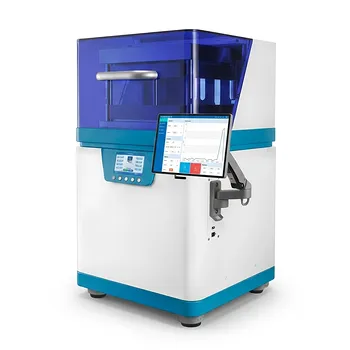
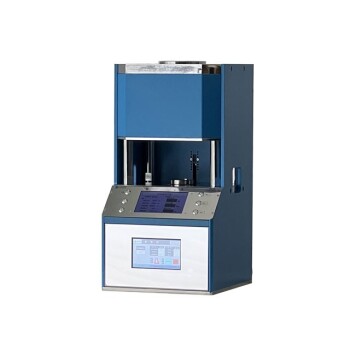
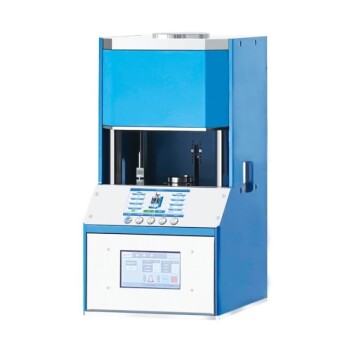
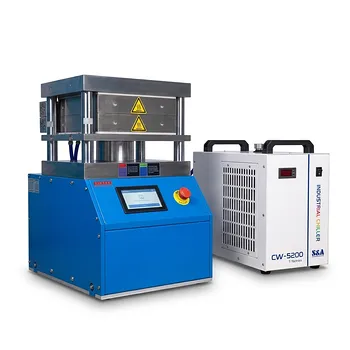
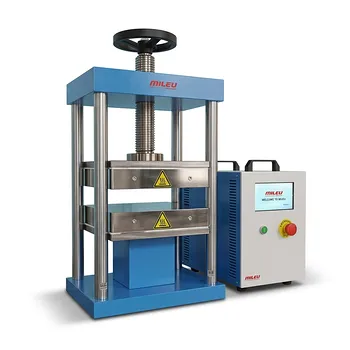
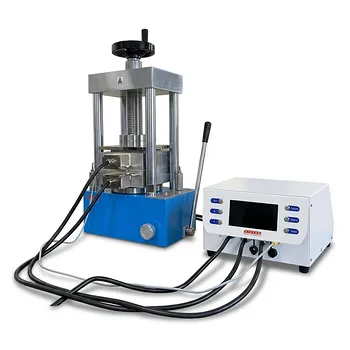
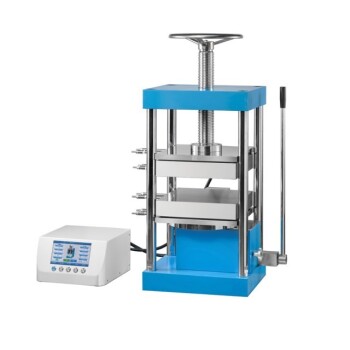
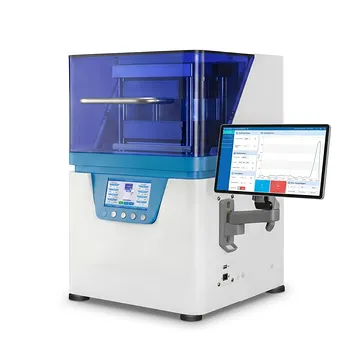
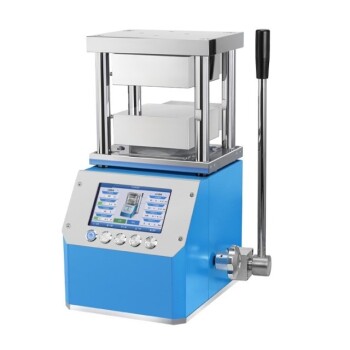
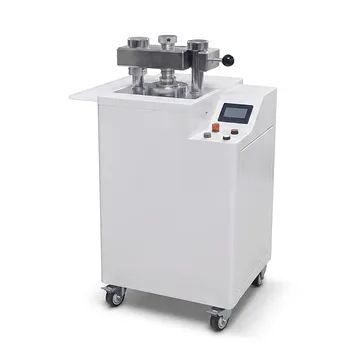
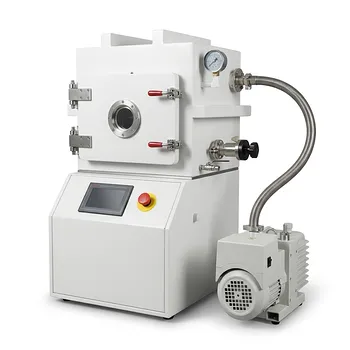
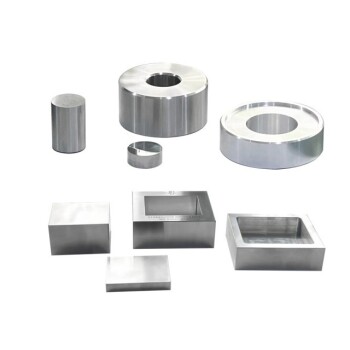
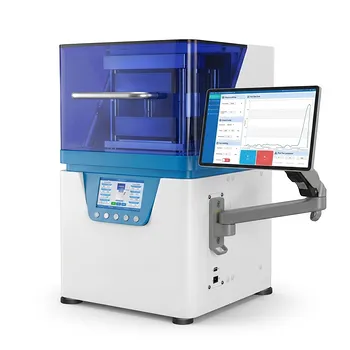
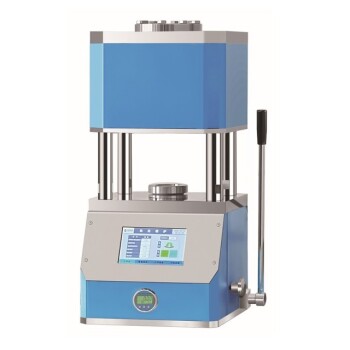
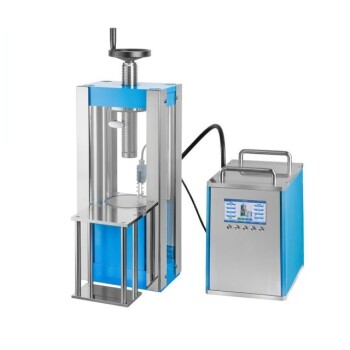
The laboratory electric heating plate press is the critical bridge between raw rubber compound and a standardized test specimen.
It serves as the primary tool for vulcanization, applying simultaneous high temperature (typically between 140°C and 162°C) and high pressure (ranging from 4 MPa to 1500 psi) to transform raw rubber into a cross-linked, three-dimensional network. This controlled environment ensures the specimen achieves its final mechanical properties while maintaining the uniform thickness and surface quality required for accurate oil seal performance testing.
Core Takeaway: The heating plate press determines the final cross-link density and structural integrity of an oil seal rubber specimen. By precisely controlling the thermal and mechanical environment, it ensures that subsequent evaluations of tensile strength, hardness, and durability are both accurate and repeatable.
Facilitating the Vulcanization Chemical Reaction
Formation of the Three-Dimensional Network
High temperatures provided by the press activate vulcanizing agents and accelerators within the rubber matrix. This thermal energy drives the chemical cross-linking process, converting plastic raw rubber into a vulcanized elastomer with high elasticity and dimensional stability.
Achieving Target Cross-Link Density
The press maintains a stable thermal environment to ensure the vulcanization reaction reaches its intended completion within a specific timeframe. This process directly dictates the specimen's modulus and mechanical strength, which are essential characteristics for oil seal reliability.
Driving Kinetic Reaction Conditions
Precise control over the heat allows accelerators like CBS, TMTD, or ZDC to react fully. Without this constant high temperature, the rubber would fail to reach the chemical maturity needed for standardized testing.
Ensuring Geometric and Physical Precision
Uniform Thickness and Surface Quality
The press molds the rubber compound into sheets with specific flatness and high surface quality. This geometric precision is vital for standardized mechanical testing where even minor variations in thickness can skew results.
Elimination of Internal Physical Defects
The application of continuous, high pressure during the molding process expels internal gases and prevents the formation of bubbles. This ensures a high internal structural density and eliminates voids that could act as failure points during stress tests.
Molecular Chain Arrangement
The combination of heat and compression facilitates the proper arrangement of rubber molecular chains. This creates a uniform material structure that is essential for consistent results in radiation cross-linking or static mechanical evaluations.
Understanding the Trade-offs and Technical Risks
The Risk of Thermal Inconsistency
If the heating plates have "cold spots," the specimen will suffer from uneven vulcanization degrees. This leads to inconsistent hardness and tensile strength across a single specimen, rendering test data unreliable.
Pressure Maldistribution Pitfalls
Inconsistent pressure across the plate surface can cause variations in the density and thickness of the rubber sheet. For oil seal specimens, where precision is paramount, such variations can lead to premature failure in simulated environment tests.
Over-Curing vs. Under-Curing
Maintaining the specimen in the press for too long or at too high a temperature can cause over-curing, leading to brittleness. Conversely, insufficient heat or time results in under-curing, where the rubber lacks the necessary resilience and strength for its intended application.
How to Optimize Press Parameters for Your Goal
To achieve the best results in specimen preparation, align your press settings with your specific testing objectives:
- If your primary focus is material consistency: Prioritize high-precision temperature control systems and pressure compensation to ensure identical cross-link density across all batches.
- If your primary focus is physical testing accuracy: Focus on the mechanical calibration of the plates to guarantee uniform specimen thickness and the elimination of surface defects.
- If your primary focus is research and development: Utilize adjustable pressure and temperature profiles to study how different vulcanization kinetics affect the final properties of new rubber compounds.
The precision of the heating plate press is the ultimate safeguard for the integrity and repeatability of your rubber specimen data.
Summary Table:
| Key Role | Industrial Impact | Technical Benefit |
|---|---|---|
| Vulcanization Control | Drives chemical cross-linking (140°C-162°C) | Ensures target cross-link density and elasticity. |
| Geometric Precision | Delivers uniform sheet thickness and flatness | Guarantees accurate and repeatable mechanical tests. |
| Quality Assurance | High-pressure elimination of internal gases | Prevents bubbles, voids, and structural failures. |
| Research Versatility | Allows profiling of kinetic reactions | Enables deep study of new rubber compound properties. |
Elevate Your Material Research with KINTEK Presses
Precision begins with the right preparation. At KINTEK, we specialize in comprehensive laboratory pressing solutions designed to meet the rigorous demands of rubber vulcanization and battery research. Whether you require manual, automatic, heated, multifunctional, or glovebox-compatible models, our equipment provides the exact thermal and mechanical control your specimens need.
From high-performance oil seal testing to cold and warm isostatic presses for advanced energy storage research, we empower your lab with reliability and precision.
Ready to optimize your specimen quality? Contact our experts today to find the perfect pressing solution for your application!
References
- A. I. Khalaf, Salwa H. El‐Sabbagh. High Performance Oil Resistant Rubber. DOI: 10.4236/ojopm.2012.24013
This article is also based on technical information from Kintek Solution Knowledge Base .
Related Products
- Automatic Hydraulic Hot Press with Large Plate and Precision Temperature Control for Advanced Material Sample Preparation and Industrial Research
- Cylindrical Lab Electric Heating Press Mold for Laboratory Use
- Automatic High Temperature Heated Hydraulic Press Machine with Heated Plates for Lab
- Automatic Heated Hydraulic Press Machine with Heated Plates for Laboratory
- Automatic Heated Hydraulic Press Machine with Hot Plates for Laboratory
People Also Ask
- What are the specific features and applications of hydraulic hot press machines? Precision Solutions for Modern Labs
- How does an automatic hydraulic press operate? Achieve Precision and Consistency in Lab Pelleting
- What are the advantages and common applications of an automatic hydraulic press? Elevate Your Lab's Precision
- What is the technical significance of setting a precise dwell time? Achieve Peak Material Density and Stability
- When is an automatic hydraulic press more suitable than a manual press? Scale Your Lab with Precision & Speed