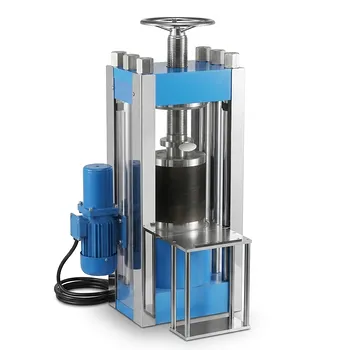
Vacuum hot pressing is the definitive technology for aluminum matrix composites because it enables full densification at temperatures below the melting point while preventing the rapid oxidation of the aluminum matrix. By simultaneously applying axial pressure and thermal energy within a high-vacuum environment, the system triggers material diffusion and plastic flow, creating a high-strength metallurgical bond between the aluminum and the reinforcing fibers.
Core Takeaway: The vacuum hot pressing system is essential because it solves the dual problem of aluminum’s extreme reactivity and the difficulty of achieving void-free interfaces. It transforms powder or foil into a solid, high-performance composite by using vacuum to ensure chemical purity and synchronized pressure to drive solid-state bonding.
Overcoming the Oxidation Barrier
The Vulnerability of Aluminum Surface
Aluminum is highly reactive and forms a thin, stubborn oxide layer almost instantly when exposed to air. In a standard atmosphere, heating aluminum powder or foil would thicken this layer, creating a barrier that prevents the matrix from bonding effectively with the reinforcing fibers.
The Role of High Vacuum
A high-vacuum environment is utilized to extract oxygen and moisture from the processing chamber. This prevents the oxidation of the aluminum matrix and other reactive elements, ensuring that the metal surfaces remain clean and receptive to bonding at a molecular level.
Preserving Chemical Purity
Beyond preventing oxidation, the vacuum environment is critical for maintaining the overall purity of the composite. It prevents contamination from atmospheric gases, which is vital for achieving the intrinsic mechanical properties and the high-quality finish required for aerospace and industrial applications.
Driving Densification Through Synergy
Mechanisms of Solid-State Bonding
The core of the process relies on the synchronization of heat and axial pressure. This combination triggers material diffusion, plastic flow, and power-law creep, allowing the aluminum matrix to "flow" around the short fibers and fill gaps without needing to melt the metal.
Accelerating Atomic Diffusion
Applying high pressure (often reaching 500 MPa) while the material is at an elevated temperature (such as 410 °C) accelerates the movement of atoms across the interface. This creates a metallurgical bond rather than a simple mechanical grip, which is essential for the load transfer between the matrix and the fibers.
Achieving Near-Full Densification
Because the matrix undergoes plastic deformation under pressure, the system can achieve near-full densification at temperatures significantly lower than the melting point of aluminum. This preserves the integrity of the short fibers and prevents unwanted chemical reactions that occur at liquid-phase temperatures.
Eliminating Internal Structural Defects
The Necessity of High-Temperature Degassing
Residual air trapped between powder particles and moisture adsorbed on surfaces can create internal catastrophes if not removed. The vacuum system acts as a degassing unit, pulling these gases out of the mold cavity before the pressing stage begins.
Preventing Interlaminar Bubbles and Voids
If volatiles like moisture or residual processing agents (e.g., ethanol) are not removed, they form closed pores during high-pressure densification. These internal holes and bubbles act as stress concentrators, significantly reducing the density and the ultimate tensile strength of the final composite.
Optimizing the Interfacial Bond
The extraction of volatiles ensures that the aluminum matrix makes direct, intimate contact with the reinforcing fibers (such as silicon carbide or graphene). This "tight" contact is the prerequisite for the superior interfacial bonding strength that characterizes high-performance composites.
Understanding the Trade-offs
Process Speed vs. Quality
Vacuum hot pressing is a batch process that is significantly slower than continuous manufacturing methods like extrusion or rolling. The requirement to reach a deep vacuum and the controlled ramp-up of heat and pressure means cycle times are measured in hours, not minutes.
Equipment and Complexity Constraints
The systems require high capital investment and specialized maintenance to ensure the vacuum seals and hydraulic presses operate reliably at extreme temperatures. Furthermore, the size of the final composite is strictly limited by the dimensions of the vacuum chamber and the pressing platens.
Material Compatibility
While ideal for aluminum, the specific pressure and temperature profiles must be precisely calibrated for different reinforcements. For example, excessive pressure might fragment delicate short fibers, while insufficient pressure will fail to trigger the necessary plastic flow for void-free consolidation.
How to Apply This to Your Project
Making the Right Choice for Your Goal
To determine if a vacuum hot pressing system is the correct path for your application, consider the specific demands of your composite material.
- If your primary focus is maximum mechanical strength: Prioritize vacuum hot pressing to ensure the highest possible interfacial bond strength and the lowest void content.
- If your primary focus is working with highly reactive matrices: Utilize the vacuum environment to prevent oxidation and ensure the chemical purity of the final part.
- If your primary focus is achieving high density at low temperatures: Use the simultaneous application of axial pressure to drive consolidation without risking the damage associated with melting.
The vacuum hot pressing system remains the gold standard for creating aluminum matrix composites where reliability, density, and interfacial integrity cannot be compromised.
Summary Table:
| Feature | Function in AMC Consolidation | Key Benefit |
|---|---|---|
| High Vacuum | Extracts oxygen and moisture during heating | Prevents aluminum oxidation and maintains chemical purity |
| Axial Pressure | Drives material diffusion and plastic flow | Achieves near-full densification without melting the matrix |
| Sub-Melting Heat | Activates solid-state bonding mechanisms | Preserves fiber integrity and prevents unwanted reactions |
| Degassing | Removes trapped air and volatiles | Eliminates internal voids, bubbles, and stress concentrators |
Elevate Your Composite Research with KINTEK Precision
Are you looking to achieve void-free, high-performance aluminum matrix composites? KINTEK specializes in comprehensive laboratory pressing solutions designed for the rigors of advanced battery research and material science.
Our versatile range includes:
- Manual & Automatic Presses for varying scale requirements.
- Heated & Multifunctional Models for precise thermal-mechanical control.
- Glovebox-Compatible Systems for air-sensitive material handling.
- Cold & Warm Isostatic Presses (CIP/WIP) for uniform high-density consolidation.
Don't let oxidation or internal defects compromise your results. Contact our experts today to find the perfect vacuum hot pressing solution tailored to your laboratory's needs!
References
- S.C. Jain, Vijaya Agarwala. Microstructure and Mechanical Properties of Vacuum Hot Pressed P/M Short Steel Fiber Reinforced Aluminum Matrix Composites. DOI: 10.1155/2014/312908
This article is also based on technical information from Kintek Solution Knowledge Base .
Related Products
- Heated Hydraulic Press Machine with Heated Plates for Vacuum Box Laboratory Hot Press
- Heated Hydraulic Press Machine With Heated Plates For Vacuum Box Laboratory Hot Press
- Automatic Hydraulic Heat Press Machine with Multi Stage Programmable Control and Integrated Water Cooling Plate Size 180x180mm
- Automatic Hydraulic Hot Press with Large Plate and Precision Temperature Control for Advanced Material Sample Preparation and Industrial Research
- Automatic Heated Hydraulic Press Machine with Hot Plates for Laboratory
People Also Ask
- How does a laboratory heated hydraulic press facilitate PBN sample prep for WAXS? Achieve Precise X-Ray Scattering
- What are the requirements for electrode pressing with high-viscosity ionic liquids like EMIM TFSI? Optimize Performance
- What are the industrial applications of heated hydraulic presses? Master Heat & Force for Precision Manufacturing
- Function of a Laboratory Hydraulic Press with Heated Platens in SSE? Enhance Battery Density & Conductivity
- How are heated hydraulic presses utilized in the preparation of thin films? Key Mechanisms and Applications