KINTEK automatic heated lab presses support controlled thermal compression, lamination, consolidation, and sample preparation for solid-state batteries, polymer electrolytes, composite materials, ceramics, powder metallurgy, fuel cells, and academic materials research. The range includes compact oil-free servo hot presses for cleanroom and glovebox-oriented workflows; benchtop hydraulic hot presses from low-force precision models to high-force 50-ton systems; dual-zone heated platen presses for independent temperature control; and programmable presses with active water cooling, multi-stage pressure profiles, touchscreen operation, and optional safety protection. Researchers can prepare electrolyte pellets and sheets, laminate electrodes and membranes, cure polymer composites, form ceramic specimens, and develop reproducible thermal-processing methods at laboratory scale.
Toggle Categories
Get Instant Support
Choose your preferred way to connect with our team
Response Time
Within 8 hours on working days, 24 hours on holidays
Automatic Heated Lab Press

Automatic Heated Hydraulic Press Machine with Hot Plates for Laboratory
Item Number: PCAH

Automatic Laboratory Hydraulic Press Lab Pellet Press Machine
Item Number: PCEA

Button Battery Sealing Press Machine for Lab
Item Number: PP2N
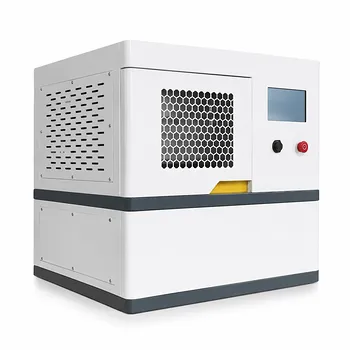
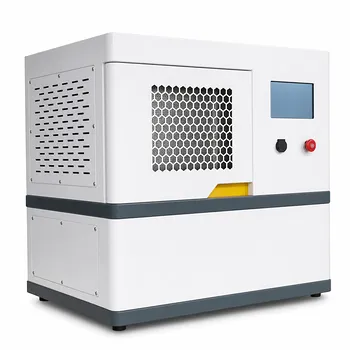
Solid-State Battery Laboratory Hydraulic Hot Press Machine
Item Number: MY07
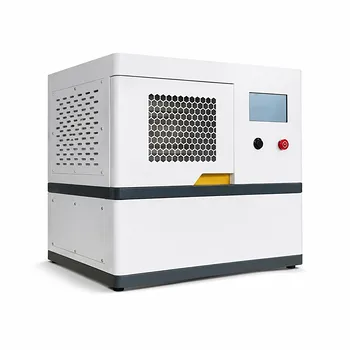
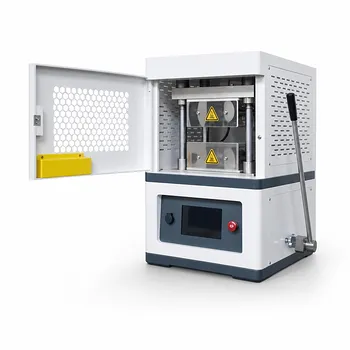
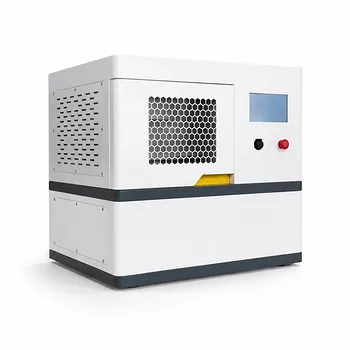
Solid-State Battery Laboratory Hydraulic Hot Press Machine
Item Number: MY10
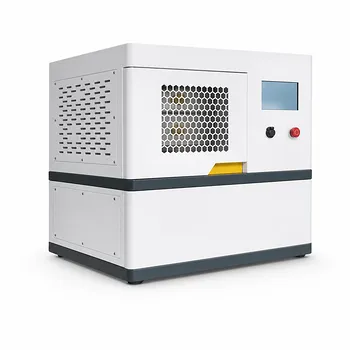
Solid-State Battery Laboratory Electric Hot Press Machine
Item Number: MY18
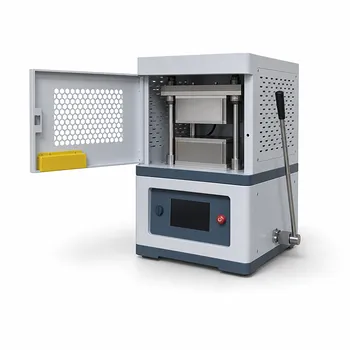
Solid-State Battery Research Laboratory Hydraulic Hot Press
Item Number: ZY14
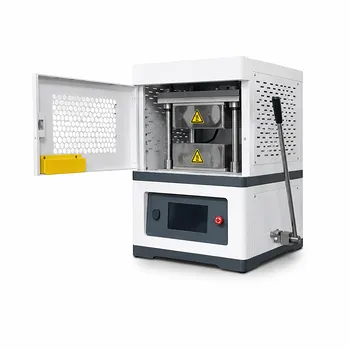
Solid-State Battery Laboratory Hydraulic Hot Press
Item Number: ZY16
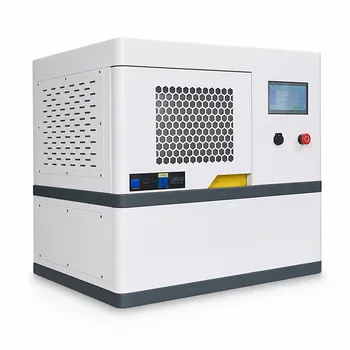
Solid-State Battery Laboratory Hydraulic Hot Press Machine
Item Number: MY16
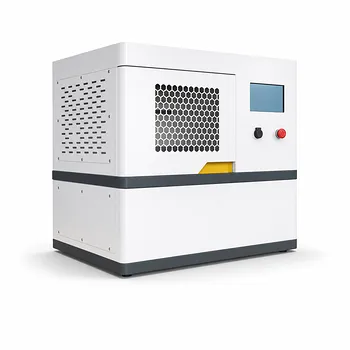
Laboratory Benchtop Hydraulic Hot Press for Solid State Battery Research
Item Number: MY12
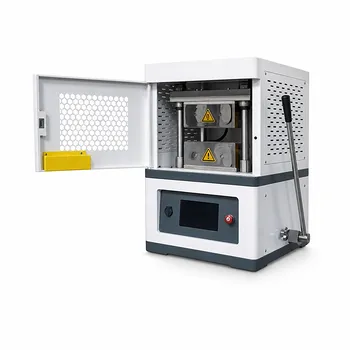
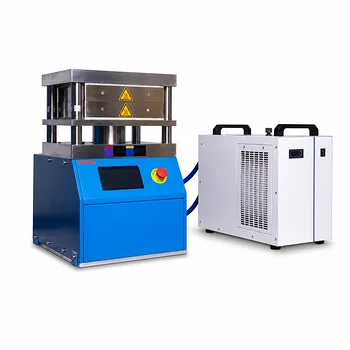
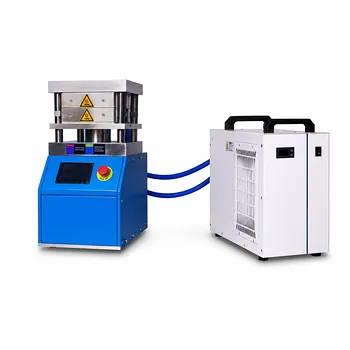
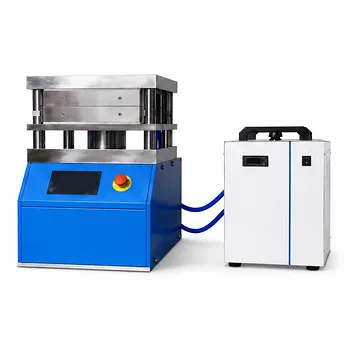
Automatic Hot Press 3 Ton 300x300mm Oil Free OSHA Light Curtain Optional
Item Number: XP72

Laboratory Hydraulic Press Lab Pellet Press Machine for Glove Box
Item Number: PCG

Laboratory Hydraulic Split Electric Lab Pellet Press
Item Number: PCES

Laboratory Hydraulic Pellet Press for XRF KBR FTIR Lab Press
Item Number: PCPE




Split Automatic Heated Hydraulic Press Machine with Heated Plates
Item Number: PCSE
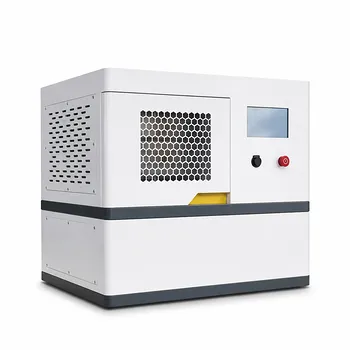
Laboratory Hydraulic Hot Press for Solid-State Battery Research
Item Number: MY06
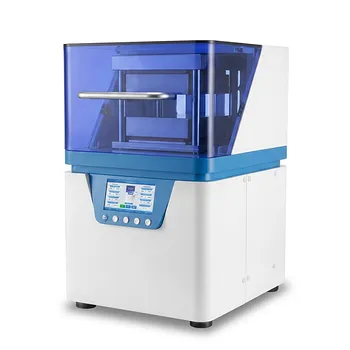
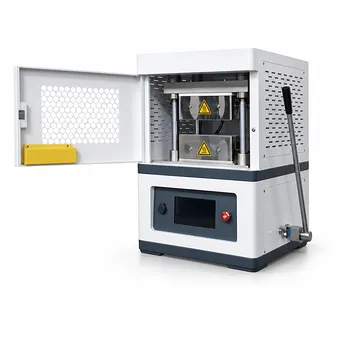

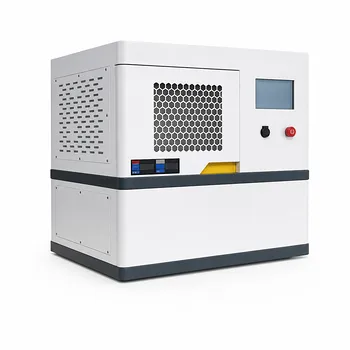
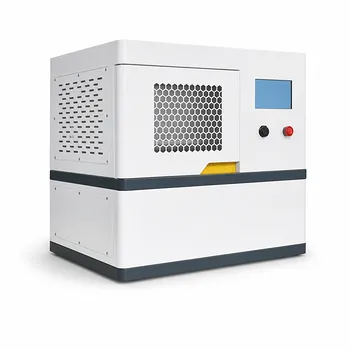
Solid-State Battery Research Laboratory Hydraulic Hot Press Machine
Item Number: MY15
Automatic Heated Lab Presses for Reproducible Thermal Processing
An automatic heated lab press is a controlled materials-processing system that combines precisely managed force and heat in one repeatable operating cycle. For researchers developing solid-state batteries, polymer films, composite laminates, ceramic pellets, membrane electrode assemblies, and advanced powder-based materials, the ability to control these variables together is essential. Small differences in platen temperature, pressure ramp, dwell time, cooling rate, or pressure retention can alter density, thickness, porosity, interfacial contact, crystallinity, and final electrochemical or mechanical performance. KINTEK automatic heated hydraulic and servo presses are designed to make those variables measurable, programmable, and repeatable.
The category covers a broad range of laboratory hot pressing needs, from micro desktop systems for small samples to heavy-duty benchtop hydraulic presses for larger plaques, sheets, and high-density compacts. Available configurations include compact 1.8-ton and 2-ton precision systems, 3-ton oil-free servo presses, 4-ton and 5-ton laboratory presses, 10-ton, 15-ton, and 30-ton hydraulic systems, and high-force 50-ton models for demanding consolidation tasks. Heated platen sizes range from compact 60 x 60 mm tooling through 180 x 180 mm and 200 x 200 mm formats to 300 x 300 mm platens. This selection allows laboratories to match usable pressing area and force capacity to the sample geometry, mold dimensions, target pressure, and workflow requirements rather than overspecifying equipment.
Built for battery and energy-material development
Automatic heated presses are particularly valuable in solid-state battery research, where electrolyte density and electrode-electrolyte interfacial contact directly influence ionic transport and cell performance. Sulfide, oxide, polymer, and composite electrolyte materials may require carefully controlled compaction or thermal treatment to create consistent pellets, sheets, and multilayer assemblies. A programmable hot press helps researchers apply the appropriate pressure at the appropriate temperature, retain that condition during a defined dwell period, and cool the specimen while maintaining or releasing force according to the experimental protocol.
KINTEK hot presses can be used for solid electrolyte pellet preparation, polymer electrolyte film formation, composite electrode lamination, separator and membrane processing, and prototype cell-component research. Dual heated platens support more uniform thermal transfer through the stack, while independent upper and lower platen control is useful when a process requires different setpoints, compensation for heat loss, or fine temperature balancing across a layered material assembly. In research programs investigating interface engineering, these controls help make trials more comparable and facilitate systematic optimization of temperature, pressure, and time.
Fuel-cell and electrochemical-device laboratories can also use heated presses to fabricate membrane electrode assemblies and laminated functional layers. Controlled heat and pressure promote intimate contact between compatible layers without relying on uncontrolled manual operation. For researchers working with polymer binders, ionomer-containing structures, coated electrodes, conductive films, or soft composite materials, the ability to define controlled ramp, soak, and cooldown stages helps reduce variability between batches and operators.
Controlled heat, force, and time in a single sequence
The core operating principle of a heated laboratory press is straightforward, but the quality of the result depends on control. First, the operator prepares the sample and places it in a suitable mold, die, fixture, release film, or directly between the heated platens. The control system is then used to set the process recipe: temperature setpoints, heating ramp rates where available, pressure or force setpoints, loading rate, dwell duration, and cooling requirements. The platens heat to the selected temperature while the hydraulic or electric servo system applies the programmed load.
During the dwell stage, the press maintains the required temperature and pressure for the specified period. This phase gives powder particles, polymer chains, resin systems, layered electrodes, or composite components time to consolidate, flow, bond, cure, or undergo the intended physical change. Depending on the material and method, thermal pressure can lower void content, improve particle-to-particle contact, promote layer adhesion, improve thickness consistency, or support densification. Once the programmed hold is complete, the system releases force and cools the sample in a controlled manner. The finished specimen is removed after it reaches a safe handling condition.
Automation turns this sequence into a repeatable laboratory method. Instead of relying on manual heating and an operator's timing, researchers can store or reproduce pressure and temperature profiles across experiments. Many models provide multi-stage programming, enabling a process to include preheating, gradual loading, a primary pressing dwell, a second thermal dwell, a controlled release, and cooling. This is valuable for materials that must be preconditioned before maximum pressure is applied, as well as for delicate multilayer structures where abrupt force changes could damage the sample.
Uniform dual-platen heating for dependable samples
Temperature uniformity is one of the principal advantages of a laboratory hot press. Flat, heated platen assemblies transfer energy directly to the sample or tooling, providing efficient heating compared with less direct thermal methods. KINTEK models commonly offer dual heated platens with precise PID temperature control and independent upper and lower zone management. Depending on the selected model, temperatures can reach 200 degrees C or 300 degrees C, with higher-temperature solutions available for specialized applications.
Stable platen temperature helps laboratories improve the consistency of polymer films, ceramic compacts, battery electrolyte sheets, composite laminates, and molded specimens. Uneven heating can cause variations in viscosity, cure state, thickness, density, and material bonding across a sample. By selecting a press with appropriate platen dimensions, heating capacity, sensor control, and process programming, users can reduce temperature-related variation and develop better-defined processing windows.
Independent heating is especially relevant where the top and bottom of the process stack do not behave identically. Different tooling masses, insulation arrangements, material layers, or sample interfaces can produce unequal thermal losses. Separately controlled zones give the operator a practical way to tune the process and achieve more balanced sample conditions. For research teams comparing formulations or studying thermal histories, this degree of control provides a stronger experimental foundation than a basic single-temperature pressing setup.
Automatic pressure control and long-duration stability
A hot press must do more than reach a specified nominal load. It must apply force consistently and maintain it while the sample changes under heat. Polymers can soften and flow, powders can compact, and layered materials can relax in thickness during a dwell cycle. Automatic pressure compensation and pressure-holding capabilities help sustain the selected process condition as these changes occur. This supports more consistent density, thickness, bonding, and sample-to-sample results during extended tests.
KINTEK automatic heated presses use hydraulic or oil-free electric servo actuation depending on the model. Hydraulic systems provide high pressing capacity in compact laboratory footprints and are suitable for demanding pellet compaction, thermal consolidation, and larger-area lamination. Servo-driven systems offer clean, oil-free operation and precise force control, making them well suited to environments where cleanliness, low maintenance, and fine-load processing are priorities. The best choice depends on required tonnage, desired operating environment, sample area, process sensitivity, and laboratory infrastructure.
Programmable pressure profiles are useful for far more than convenience. A gradual force ramp can prevent material displacement, cracking, or trapped-air defects. A controlled dwell can allow resin flow or powder rearrangement. A staged release can protect brittle ceramic or electrolyte specimens from sudden stress changes. Researchers can adapt the recipe to the material rather than forcing every material through a single fixed pressing procedure. This flexibility is important in R&D, where process conditions evolve as formulations, stack designs, and sample geometries change.
Active cooling for faster, more stable workflows
Heating is only one part of a reliable thermal-pressing cycle. Cooling affects material morphology, cure state, residual stress, dimensional stability, and throughput. Many KINTEK automatic hot presses incorporate water-cooled platens or an active cooling system to accelerate thermal stabilization after the dwell stage. This helps laboratories shorten the time between runs while improving control over the end of the process.
For thermally sensitive polymers, battery materials, and composite assemblies, cooling while maintaining a defined pressure can be particularly beneficial. It may help preserve shape and thickness as the material transitions from a softened or reactive state to a stable solid form. For high-throughput sample preparation, faster cooling also reduces bottlenecks caused by waiting for a large heated mass to return to a workable temperature. The appropriate cooling approach should be selected based on the material, tooling, target cycle time, available water supply, and required thermal profile.
Touchscreen programming, monitoring, and process repeatability
Modern laboratory work requires methods that can be reproduced by different users and revisited months later. Automatic heated presses with touchscreen interfaces simplify recipe setup and operating-status monitoring. Operators can enter temperature, force, pressure, time, and multi-stage cycle parameters through an accessible interface rather than manually managing each stage. Select models offer a 7-inch touchscreen and real-time process data logging, supporting closer observation of experiments and more dependable recordkeeping.
Process automation reduces operator burden while improving procedural consistency. It is especially useful in shared academic laboratories, pilot R&D facilities, and quality-focused industrial development groups, where multiple operators may need to reproduce a validated protocol. A programmed process can reduce variability associated with manually timing the dwell period, adjusting hydraulic pressure, or deciding when cooling is complete. This supports more reliable comparisons among formulations, process conditions, and sample batches.
Automation also improves efficiency. While the press executes a defined cycle, researchers can prepare subsequent materials, document observations, or operate adjacent equipment. The result is a more organized laboratory workflow without sacrificing process oversight. For facilities developing a transition from exploratory experimentation to standardized internal methods, programmable hot pressing is a practical step toward stronger process discipline.
Applications beyond battery research
Although solid-state battery and electrochemical materials are a central application area, automatic heated lab presses are broadly useful throughout advanced materials research. In polymer research, they can form films, sheets, and test plaques; laminate multilayer materials; and support controlled thermal shaping. In composite development, they can consolidate fiber-reinforced, filled, or particulate materials and assist with resin-bonded laminate preparation. In ceramic and powder-metallurgy laboratories, heated pressing can support compact formation, binder-assisted processing, and pre-sintering sample preparation.
Materials characterization laboratories use hot pressing to prepare uniform specimens for downstream analysis and testing. Consistent sample thickness and density can be important for electrochemical evaluation, mechanical testing, microscopy, spectroscopy, thermal analysis, and conductivity measurements. Pharmaceutical and general sample-preparation applications may also benefit where materials must be formed into tablets, pellets, or controlled flat specimens, subject to compatibility with the material and process requirements.
The category also includes compact formats appropriate for constrained spaces. Benchtop designs can fit efficiently in academic labs and research facilities, while selected compact systems are suited to glovebox-oriented workflows for moisture- or oxygen-sensitive materials. When working with air-sensitive battery powders or reactive compounds, equipment dimensions, feedthrough needs, heat management, safety procedures, and glovebox compatibility should be evaluated as part of the complete process design.
Select the right automatic heated press
Choosing a hot press begins with the sample, not simply the maximum tonnage. First, determine the sample area and the actual pressure needed. Required pressing force is calculated from target pressure multiplied by the loaded area, so a larger platen or mold requires significantly more force to achieve the same pressure. Selecting capacity with adequate operating margin helps maintain stable, practical performance without unnecessarily increasing equipment size or cost.
Next, identify the required temperature range and thermal uniformity. Many battery, polymer, composite, and routine materials-research applications operate successfully within the 200 to 300 degrees C range offered by the models in this category. Laboratories with unusual temperature requirements should discuss their materials and profile with KINTEK so the heating configuration, platen construction, insulation, and safety features can be specified appropriately.
Consider the required platen area and tooling arrangement. A small 60 x 60 mm platen offers fast, precise processing for micro samples, while 180 x 180 mm, 200 x 200 mm, and 300 x 300 mm platens support larger films, sheets, molds, and multilayer assemblies. The useful working area must account for mold dimensions, insulation, release materials, sample alignment, and safe clearance. If a custom fixture or die will be used, its mass, height, thermal conductivity, and loading arrangement should be considered early in the selection process.
The desired control method is equally important. For development work involving multiple thermal and pressure stages, choose programmable recipes, independent dual-zone heating, automatic pressure compensation, and active cooling. For cleanroom-oriented environments or applications where hydraulic oil is undesirable, an oil-free servo model can be the better fit. For high-force pressing, durable hydraulic platforms provide the capacity needed for dense pellets, large-area laminates, and demanding thermal compaction. Safety requirements may include guarded operation, emergency-stop features, interlocks, CE compliance, and optional OSHA-oriented light-curtain protection.
Professional configuration and customized laboratory solutions
A laboratory press is most valuable when it reflects the actual materials workflow. KINTEK works with researchers and technical teams to configure automatic heated presses around their process requirements, including force range, platen size, heated-zone arrangement, temperature range, cooling method, pressure-programming stages, data requirements, tooling, and safety options. We can also help assess whether a hydraulic or servo-driven platform is better suited to your laboratory environment and intended sample throughput.
Custom solutions are especially useful when standard platen dimensions do not match a die set, electrode stack, film format, or specialized test coupon. Projects may require custom molds, insulated fixtures, different platen surfaces, unique electrical requirements, process-specific control settings, or compact installations for restricted laboratory spaces. Providing the material type, sample dimensions, desired temperature and pressure, expected dwell cycle, and target application allows our team to recommend a technically appropriate system rather than a generic machine.
KINTEK's expertise extends across battery cell fabrication and advanced-materials processing, from slurry mixing and coating to pressing, assembly, and testing. That wider perspective matters when the hot press is one station within a connected R&D workflow. We understand that a press must deliver more than force and heat: it must produce samples that are suitable for subsequent cutting, characterization, cell assembly, electrochemical testing, or scale-up evaluation.
For help selecting an automatic heated lab press, defining a thermal-pressure recipe, or requesting a customized platen, force, cooling, or safety configuration, contact KINTEK's technical team. Share your material, sample size, target temperature, required pressure, and application goals, and we will help configure a laboratory hot press that supports accurate, repeatable results.
FAQ
What Is A Laboratory Hot Press Machine Used For?
What Is The Principle Of A Heated Hydraulic Press?
What Is A Laboratory Hydraulic Press Used For?
What Are The Main Applications Of Press Molds In Laboratories?
What Are The Main Applications Of A Laboratory Pellet Press?
What Are The Main Applications Of A KBr Pellet Press?
What Are The Main Applications Of A Heated Platen Press?
What Are The Key Features Of A Laboratory Hot Press Machine?
What Are The Advantages Of Using A Heated Hydraulic Press?
What Are The Main Features Of A Laboratory Hydraulic Press?
What Types Of Press Molds Are Available For Laboratory Use?
What Features Should I Consider When Choosing A Laboratory Pellet Press?
What Are The Key Features Of A KBr Pellet Press?
What Safety Features Are Commonly Found In Heated Platen Presses?
What Are The Main Components Of A Laboratory Hot Press Machine?
What Are The Common Applications Of A Heated Hydraulic Press?
How Does A Laboratory Hydraulic Press Work?
What Are The Key Features Of Laboratory Press Molds?
How Does A Laboratory Pellet Press Work?
How Does A KBr Pellet Press Work?
How Does A Heated Platen Press Operate?
How Does A Laboratory Hot Press Machine Work?
What Features Should I Look For In A Heated Hydraulic Press?
What Are The Advantages Of Using A Laboratory Hydraulic Press?
What Materials Are Commonly Used To Make Press Molds?
What Are The Advantages Of Using A Laboratory Pellet Press?
What Are The Advantages Of Using A KBr Pellet Press?
What Are The Advantages Of Using A Heated Platen Press?
What Are The Advantages Of Using A Laboratory Hot Press Machine?
How Does A Heated Hydraulic Press Differ From A Standard Hydraulic Press?
What Types Of Laboratory Hydraulic Presses Are Available?
What Are The Advantages Of Using Press Molds In Laboratories?
What Types Of Laboratory Pellet Presses Are Available?
What Are The Drawbacks Of Manual KBr Pellet Presses?
What Types Of Heated Platen Presses Are Available?
Why Is A Laboratory Hydraulic Press Ideal For Sample Preparation In Spectroscopy?
Can Press Molds Be Customized For Specific Laboratory Needs?
What Safety Features Are Included In Laboratory Hydraulic Presses?
How Do Press Molds Ensure High-precision Sample Preparation?
Can Laboratory Hydraulic Presses Be Used For High-temperature Applications?
What Are The Benefits Of Using Heated Press Molds?
How Do Press Molds Contribute To Efficient Laboratory Workflows?
What Should I Consider When Choosing A Press Mold For My Laboratory?
REQUEST A QUOTE
Our professional team will reply to you within one business day. Please feel free to contact us!
Related Articles
The Architecture of Slow: Why Physical Precision Dictates Chemical Destiny
In fertilizer research, the chemical formula is only half the story. Discover why heated hydraulic presses are the essential tools for standardizing nutrient release kinetics.
The Architecture of Density: Why Pressure is the Silent Architect of Solid-State Batteries
Explore how laboratory hydraulic presses transform sulfide powders into high-performance solid electrolytes by overcoming grain boundary resistance and porosity.
The Architecture of Stress: Bridging the Gap in Hybrid Hot Forming
Explore how high-precision laboratory hydraulic systems validate numerical models, control microstructure, and optimize parameters to prevent defects in industrial manufacturing.
The Physics of Transparency: Why Pressure is the Silent Architect of Spectroscopic Clarity
Explore the critical role of laboratory hydraulic presses in FT-IR spectroscopy for Copper(II) complexes and how high-pressure molding eliminates light scattering for high-resolution data.
The Geometry of Pressure: Why Precision Hot-Pressing is a Science of Limits
Explore the critical role of high-temperature pressure sensing and precision pressing in composite manufacturing, from matrix impregnation to avoiding structural failure.
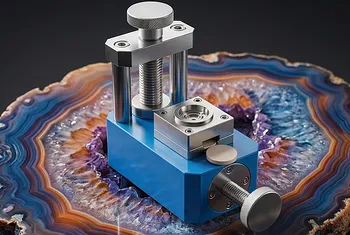
The Geometry of Electrons: Why Surface Precision is the Silent Partner in SECM Research
Discover how laboratory hydraulic presses transform powder catalysts into precision electrodes, eliminating topography errors and ohmic resistance in SECM analysis.
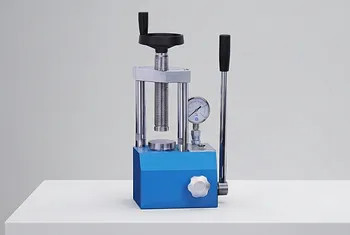
The Internal Spark: Why Resistance Heating Redefines Composite Integrity
Explore the systemic differences between resistance and radiation heating in vacuum hot pressing and how localized energy transforms aluminum matrix composites.
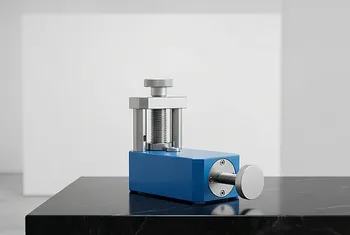
The Invisible Variable: Why Battery Integrity Demands an Inert Sanctuary
Trace oxygen and moisture can invalidate months of battery research. Explore why high-purity argon environments are essential for LTO half-cell assembly and data integrity.
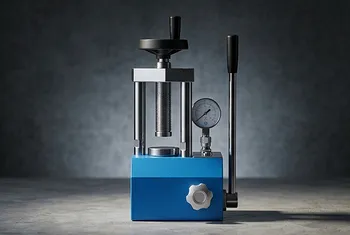
The Silent Geometry of Density: Why Isotropic Pressure is the Soul of Advanced Ceramics
Explore how Cold Isostatic Pressing (CIP) solves the hidden internal stresses of alumina ceramics to ensure defect-free sintering and superior material density.
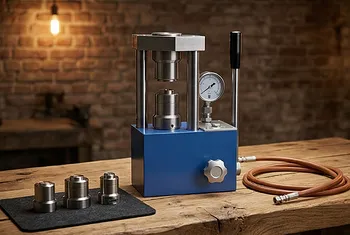
The Paradox of Pressure: Why 10 MPa Outperforms Force in Alumina Sintering
Discover why moderate pressure (10 MPa) is superior to high force in hot-pressing platelet alumina, preventing pore expansion and ensuring optical clarity.
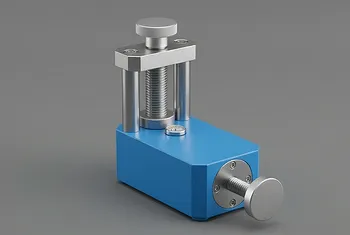
The Architecture of Certainty: Why the Laboratory Press is the Anchor of Material Science
Explore how precision heated hydraulic presses eliminate variables in rubber and pigment testing, transforming raw mixtures into standardized, data-ready specimens.
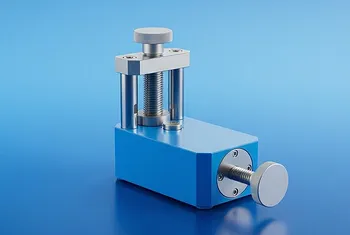
The Architecture of Uniformity: Why Omnidirectional Pressure Defines Ceramic Destiny
Explore how Cold Isostatic Pressing (CIP) eliminates internal density gradients in 10NiO-NiFe2O4 composite ceramics to ensure survival in high-corrosion environments.
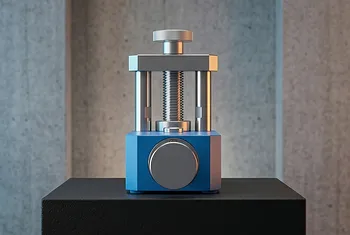
The Mechanics of Transformation: Why Pressure Redefines Wood Modification
Explore how thermo-mechanical coupling in hydraulic presses outperforms traditional ovens by enabling deep chemical penetration and structural stabilization.
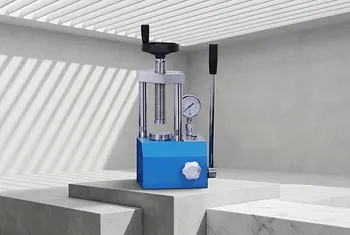
The Mechanical Handshake: The Invisible Architecture of Room-Temperature Pressing
Discover how room-temperature pressing acts as the critical mechanical foundation for lignin-fiber integration, ensuring structural integrity before thermal consolidation.
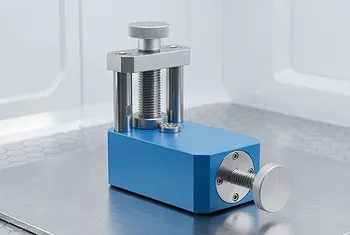
The Architecture of Heat: Why Sample Density Dictates the Truth in Metal Hydride Research
Explore how laboratory hydraulic presses bridge the gap between loose powders and accurate thermal conductivity data through precise density control and geometric standardization.
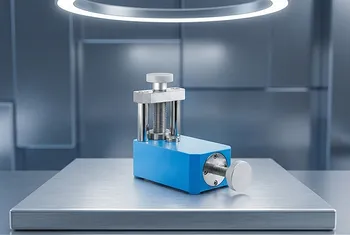
The Geometry of Precision: Mastering the Thermal-Pressure Field in APPC Fabrication
Discover how high-precision heated presses achieve full impregnation and structural uniformity in All-Polypropylene Composites through controlled thermal-pressure fields.
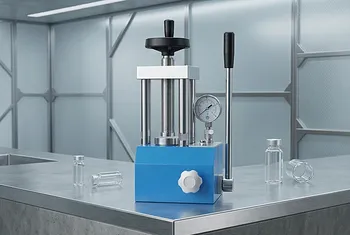
The Isotropic Imperative: Why Uniform Pressure Defines the Life of a Superconductor
Explore how Cold Isostatic Pressing (CIP) eliminates internal density gradients in Bi2212 substrates to ensure structural integrity and maximum current density.
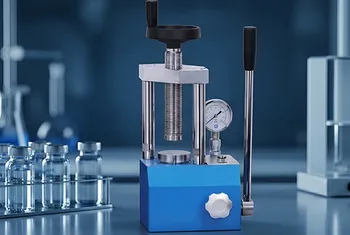
The Thin Line of Efficiency: Why Precision Pressing Dictates Thermal Performance
Discover how laboratory pressing optimizes thermal interface thickness and filler orientation to maximize the COP of TEC and PCM composite systems.
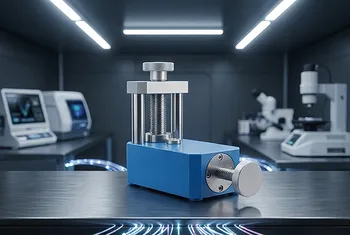
The Invisible Forge: Why the Laboratory Press is the Soul of Nano-Composites
Discover how laboratory heated hydraulic presses drive chemical cross-linking and physical densification in nano-composites through precise thermal and mechanical control.
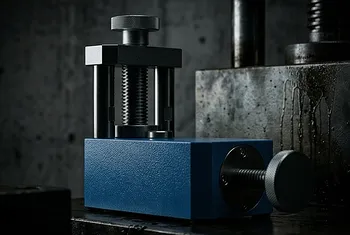
The Architecture of Contact: Why 400 MPa is the Bridge to Solid-State Batteries
Explore the critical role of ultra-high pressure in solid-state fluoride-ion battery assembly and how mechanical interlocking overcomes interfacial resistance.