Within 8 hours on working days, 24 hours on holidays
press mold
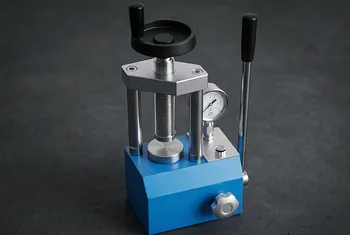
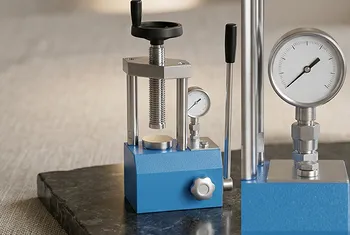
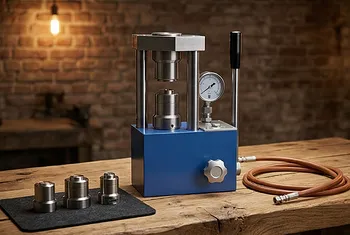
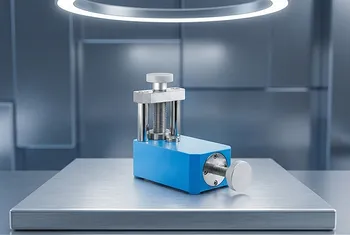
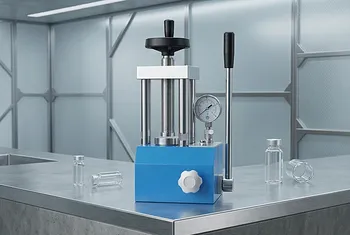
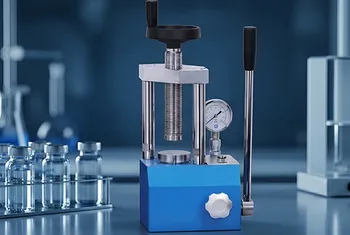
Press molds are essential tools in laboratories for creating uniform pellets and samples across various applications. Our range includes:
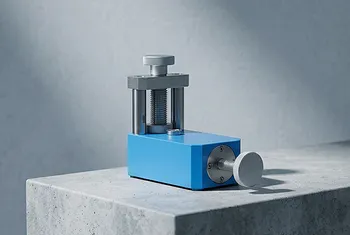
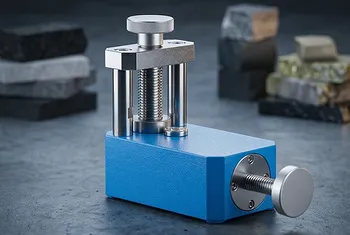
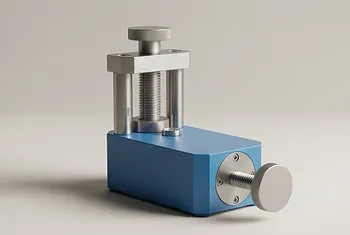
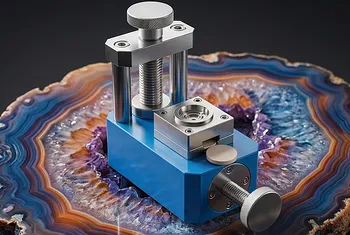
Square Bidirectional Pressure Mold: Ideal for high-precision powder molding in labs.
Lab Ring Press Mold: Perfect for uniform pellet preparation with durable Cr12MoV alloy.
Lab Ball Press Mold: Versatile molds for shaping metal and ceramic materials.
Assemble Square Lab Press Mold: Quick-disassembly design for delicate materials.
Round Bidirectional Press Mold: High-density compaction for powder metallurgy and ceramics.
These molds are widely used in pharmaceutical development, spectroscopy, bomb calorimetry, and XRF analysis to ensure standardized and accurate testing.
Press molds are critical tools in laboratories for creating uniform and high-quality samples. These molds are designed to meet the rigorous demands of various applications, including pharmaceutical development, spectroscopy, bomb calorimetry, and XRF analysis. Our press molds are engineered to provide precise and repeatable results, ensuring that your samples are consistent and reliable.
Key Features of Our Press Molds
High-Precision Engineering: Our molds are crafted with meticulous attention to detail, ensuring that each mold delivers accurate and consistent results. Whether you need a square, round, or special-shaped mold, our products are designed to meet your exact specifications.
Durable Materials: We use high-quality materials such as Cr12MoV alloy steel and carbide to ensure the longevity and durability of our molds. These materials are resistant to wear and tear, making them ideal for high-pressure applications.
Customizable Designs: We understand that every lab has unique needs. That's why we offer customizable mold designs, including various sizes and shapes, to fit your specific requirements. From standard cylindrical molds to complex polygon designs, we have you covered.
Versatile Applications: Our press molds are suitable for a wide range of materials, including metals, ceramics, and pharmaceuticals. They are perfect for creating pellets, tablets, and other sample forms needed for testing and analysis.
Ease of Use: Our molds are designed for quick and easy operation, with features like quick-disassembly designs and bidirectional pressure capabilities. This ensures that you can switch between different sample types and materials with minimal downtime.
Advantages of Using Our Press Molds
Consistent Sample Quality: Our molds ensure that each sample is uniform in size and density, which is crucial for accurate testing and analysis.
Time Efficiency: With features like quick-setting changes and easy operation, our molds help you save time and increase productivity in the lab.
Cost-Effective: The durability and reliability of our molds mean fewer replacements and lower long-term costs.
Enhanced Safety: Our molds are designed to minimize the risk of cracking or delamination, ensuring safe and reliable sample preparation.
Applications of Press Molds
Pharmaceutical Development: Press molds are used to create uniform tablets for drug testing and development. The precise compaction ensures consistent dosage and performance.
Spectroscopy: In spectroscopy, press molds are used to prepare samples for analysis. Uniform pellets are essential for accurate and reproducible results.
Bomb Calorimetry: Press molds help create consistent samples for combustion measurement, ensuring reliable calorimetry data.
XRF Analysis: For XRF analysis, press molds are used to prepare samples for elemental composition testing. The high-density compaction ensures accurate and repeatable results.
Material Research: Press molds are also used in material research to create samples for testing mechanical properties, thermal conductivity, and other characteristics.
Why Choose Our Press Molds?
Our press molds are designed with the needs of modern laboratories in mind. We combine advanced engineering with high-quality materials to deliver products that meet the highest standards of precision and reliability. Whether you're working in pharmaceuticals, materials science, or analytical chemistry, our molds can help you achieve better results.
Custom Solutions
We understand that standard molds may not always meet your specific needs. That's why we offer custom solutions tailored to your requirements. Our team of experts can work with you to design and manufacture molds that fit your exact specifications. From unique shapes to specialized materials, we can create the perfect mold for your application.
Get Started Today
Ready to enhance your lab's sample preparation process? Contact us today to learn more about our press molds and how they can benefit your work. Our team is here to answer your questions and provide expert advice on the best mold for your needs. Let us help you achieve precise and reliable results with our high-quality press molds.
Final Thoughts
Investing in high-quality press molds is essential for any laboratory that values accuracy and efficiency. Our products are designed to meet the diverse needs of modern research and testing, providing reliable performance and long-lasting durability. With our press molds, you can trust that your samples will be prepared to the highest standards, ensuring accurate and reproducible results every time.
Don't compromise on quality—choose our press molds for your laboratory needs. Get in touch with us today to find the perfect solution for your application.
FAQ
What Are The Main Applications Of Press Molds In Laboratories?
Press molds are widely used in pharmaceutical development for creating uniform tablets, in spectroscopy for sample preparation, in bomb calorimetry for consistent combustion measurement, and in XRF analysis for determining elemental composition. They help in providing standardized samples for accurate testing and analysis across these fields.
What Types Of Press Molds Are Available For Laboratory Use?
There are various types of press molds available, including square bidirectional pressure molds, ring press molds, ball press molds, cylindrical press molds, anti-cracking press molds, polygon press molds, and special shape press molds. These molds come in different sizes and materials to suit various laboratory needs.
What Are The Key Features Of Laboratory Press Molds?
Laboratory press molds feature precision-engineered hydraulic systems for consistent performance. Advanced models may include digital pressure displays and programmable settings. They are available in both manual and automated versions, with sizes ranging from compact benchtop units to larger floor-standing presses to accommodate different laboratory spaces and sample sizes.
What Materials Are Commonly Used To Make Press Molds?
Press molds are typically made from durable materials such as Cr12MoV alloy steel, carbide (e.g., YT15), and hardened steel. These materials are chosen for their high hardness, durability, and resistance to wear and high pressure, ensuring long-lasting performance in laboratory environments.
What Are The Advantages Of Using Press Molds In Laboratories?
Press molds offer several advantages, including quick setting changes and easy switching between different sample types and materials. This flexibility is not typically available in production presses or injection molding machines, which are more cumbersome and time-consuming for such transitions. Additionally, press molds provide high precision and uniformity in sample preparation.
Can Press Molds Be Customized For Specific Laboratory Needs?
Yes, many press molds can be customized in terms of size, shape, and material to meet specific laboratory requirements. Customizable options include special shapes, sizes ranging from Φ3-80mm, and materials tailored for specific applications such as XRF analysis, battery research, or material testing.
How Do Press Molds Ensure High-precision Sample Preparation?
Press molds ensure high-precision sample preparation through their precision-engineered designs, which provide uniform pressure and consistent compaction. Features such as bidirectional pressure, durable materials, and advanced hydraulic systems contribute to the accuracy and reliability of the samples produced.
What Are The Benefits Of Using Heated Press Molds?
Heated press molds offer benefits such as rapid heating (up to 500°C), precise temperature control, and the ability to process materials that require heat for compaction or bonding. These molds are ideal for applications in battery research, ceramics, and other materials that need controlled heating during preparation.
How Do Press Molds Contribute To Efficient Laboratory Workflows?
Press molds enhance laboratory efficiency by enabling quick and easy sample preparation with minimal setup time. Their ability to switch between different sample types and materials rapidly, along with features like programmable settings and digital displays, streamlines the workflow and reduces downtime.
What Should I Consider When Choosing A Press Mold For My Laboratory?
When selecting a press mold, consider factors such as the type of samples you will be preparing, the required pressure and temperature ranges, the size and shape of the molds, and the material compatibility. Additionally, evaluate whether manual or automated models better suit your workflow and if any customization options are needed for your specific applications.
REQUEST A QUOTE
Our professional team will reply to you within one business day. Please feel free to contact us!